I’m taking inulin - 1/4 or little less of teaspoon. Is it a healthy dose or too much?

You’re taking a very low dose. I’ve taken 20 grams to 30 grams in my coffee for the past 6 months+ with no issues, but lately have scaled it back to around 10 grams and about 20 grams of sun fiber, which works out better for me, zero gas (vs. a little gas).

The research study above said 30 grams + sometimes causes issues for people. You’re well below that.

Here, from Gemini:

30 grams of inulin powder is approximately 7.5 to 11 level teaspoons.

Because inulin powder density varies significantly by brand (fluffy vs. packed), volume is an inaccurate way to measure 30 grams.

The Conversion Breakdown

  • Denser Powder (Packed): ~4 grams per teaspoon → 7.5 teaspoons for 30g.
  • Lighter Powder (Fluffy): ~2.7–3 grams per teaspoon → 10–11 teaspoons for 30g.

Practical Notes

  • Use a Scale: For precise dosing—especially for longevity or gut health protocols—a digital kitchen scale is the only accurate method.
  • Dosing Caution: 30 grams is a high daily dose. Most clinical protocols start at 2–5g daily and titrate up to avoid severe gastrointestinal distress (gas, bloating, cramping). Taking 30g at once without prior adaptation will likely cause significant discomfort.
1 Like

I’ve been buying Chicory root inulin and using it for the past year or two and it’s been good. I was vaguely aware of the other types. It seems most people probably want the Chicory root version, though it depends on what you’re trying to do:

=========
Here is the breakdown of commercially available inulin types, classified by chemical structure and source. This classification is critical because “inulin” is a broad umbrella term; the metabolic effects (and side effects) depend entirely on the chain length and fermentation profile.

1. Classification by Degree of Polymerization (DP)

The most scientifically relevant classification is the Degree of Polymerization (DP), which refers to the number of fructose units in the chain. Chain length dictates how far the molecule travels in the gut before being fully fermented.

A. Short-Chain Inulin (Oligofructose / FOS)

  • Definition: Inulin that has been enzymatically hydrolyzed (chopped) into shorter chains.
  • Chain Length (DP): < 10 (Average DP ~4).
  • Physiology: Highly soluble and sweet. It undergoes rapid “flash” fermentation in the proximal (upper) colon.
  • Critical Assessment: Because it ferments instantly upon entering the large intestine, it produces a rapid spike in gas. As noted in your previous analysis, this form failed to improve glucose metrics in the referenced study. It is often used as a sugar substitute rather than a metabolic therapeutic.
  • Common Labeling: FOS, Oligofructose, Fructooligosaccharides.
  • Reference: FDA GRAS Notice for Oligofructose

B. Native Inulin (Standard)

  • Definition: The unrefined extraction from the plant root. It is a heterogeneous mix containing short, medium, and long chains.
  • Chain Length (DP): Range of 2 to 60 (Average DP ~10–12).
  • Physiology: “Broad spectrum” fermentation. The short chains ferment early (proximal colon), and the longer chains ferment later (transverse colon).
  • Critical Assessment: This is the default “Inulin” found in most supplements. It balances solubility with functionality. It is effective for general gut health but lacks the specific distal-colon targeting of isolated long-chain fractions.
  • Common Labeling: Chicory Root Fiber, Native Inulin.

C. Long-Chain Inulin (High Performance / HP)

  • Definition: Native inulin that has been physically processed to remove the short-chain fraction (sugar/oligomers).
  • Chain Length (DP): Range of 10 to 60+ (Average DP > 23).
  • Physiology: Low solubility and no sweetness. It resists early fermentation and reaches the distal (lower) colon.
  • Critical Assessment: This is the specific fraction associated with potent metabolic effects (GLP-1 secretion, systemic glucose blunting) and distal gut repair. It ferments slowly, often resulting in better GI tolerance (less immediate gas pressure) but sustained SCFA production.
  • Common Labeling: HP Inulin, Long-Chain Inulin.
  • Reference: Study on Chain Length and Fermentation

D. Synergized Inulin (Oligofructose-Enriched)

  • Definition: A formulated blend of Long-Chain HP Inulin and Short-Chain Oligofructose, typically at a specific ratio (often 50/50).
  • Physiology: Designed to maximize calcium absorption by ensuring acidification occurs across the entire length of the colon.
  • Critical Assessment: While effective for bone density, this blend re-introduces the rapid gas production of FOS. If the goal is strictly metabolic/glucose control (as per the BMC Medicine study), pure Long-Chain is likely superior to this blend.
  • Common Labeling: Orafti Synergy1, Enriched Inulin.

2. Classification by Botanical Source

While chemically similar, the source plant dictates the branching structure, which influences microbial access and fermentation speed.

A. Chicory Root (Standard)

  • Structure: Linear chains with beta(2-1) linkages.
  • Verdict: The clinical gold standard. 90%+ of all safety and efficacy data (including the BMC Medicine paper) is derived from chicory inulin. It is the most reliable choice for replicating study results.

B. Agave Inulin (Branched)

  • Structure: Branched chains containing both beta(2-1) and beta(2-6) linkages.
  • Verdict: Highly soluble even in cold water, making it popular for beverage manufacturing. However, the branched structure alters the fermentation rate and may select for different bacterial clusters than the linear chicory inulin used in most metabolic studies.
  • Reference: Structural differences between Agave and Chicory Inulin

C. Jerusalem Artichoke

  • Structure: Similar to chicory but often sold as “whole tuber powder.”
  • Verdict: Often less processed, meaning lower purity (~90% inulin) with residual micronutrients. It is functionally similar to Native Inulin but harder to dose precisely due to batch variability.

Summary Table for Decision Making

Type Classification Avg Chain Length Fermentation Site Primary Utility
Oligofructose (FOS) Short-Chain DP ~4 Proximal (Start) Sweetener / Bifido boost
Native Inulin Mixed DP ~12 Mixed General Maintenance
HP Inulin Long-Chain DP >23 Distal (End) Metabolic / Glucose Control
Agave Inulin Branched Mixed Variable Solubility / Cold Drinks

The Bottom Line: To replicate the “Inulin” group effects from the research report (glucose blunting, HCY reduction), you require Chicory-derived Long-Chain (HP) Inulin or Native Inulin. You must avoid “FOS” or “Oligofructose,” as the study explicitly confirmed these short-chain versions failed to produce the desired metabolic phenotype.

3 Likes

Acarbose is reported to increase butyrate

3 Likes

Thank you, RapAdmin, this fills some of the gaps the previous AI presentations were sorely lacking.

This is not meant as s criticism, but these kinds of big gaps is why I am very careful with using AI for medical advice. You must already be very knowledgeable about the subject matter before using it, at which point it might be useful for summarizing the issues, with the caveat that you must be super vigilant for misleading, incomplete or outright wrong information. YMMV.

2 Likes

1/4 teaspoon is on the low side. I’d take at least 1/2 teaspoon, unless your ALT (liver) levels are high. Inulin is a goldilocks fiber: too little does nothing, too much can stress the liver, especially in sensitive individuals.

1 Like

Following up on the original butyrate post with a Genimi 3 deep research on the interactions of butyrate, in the tributyrin form, with rapamycin and morning exercising as well as its cardiovascular effects.

Comprehensive Analysis of Tributyrin Supplementation: Biological Mechanisms, Cardiovascular Integration, and Longevity Protocols

The whole thing is long but interesting with dosing protocols, references to papers, etc. so here are some excerpts:

5 Likes

My liver seems normal:

• ALT: 10

• AST: 20

• ALP: 63

• Bilirubin: 0.6

• Total protein: 7.4

• Albumin: 4.9

• A/G ratio: 2.0

1 Like

I should never be left to my own devices :).

I’ve been buying NOW brand inulin… . Just a heads up to everyone else that theirs is FOS from agave.

@matthost that is excellent to hear!

@cl-user good find. That gives me pause. I’ll hold off until I see how you better researchers proceed.

1 Like

Endogenous butyrate is sufficient and much safer: resistant starch plus fiber reproduces the study’s benefits without interfering with growth or muscular adaptation. In contrast, tributyrin acts as a “pharmacological butyrate,” raising plasma butyrate far above physiological levels and potentially compromising the anabolic window, recovery, and the rebound phase after rapamycin.

1 Like

I have taken all viewpoints from the thread into account, and this is the synthesis I’ve put together for my own approach, in case it’s useful to anyone else:

Butyrate ↓ NF-κB, ↓ mTOR, ↓ ROS → reduces SASP and “silences” immunosenescent cells.

Resistant starch is the main substrate: it provides 70–80% of the effect.
Inulin contributes only 20–30%: complementary but not essential. If used, keep it to 2–3 g/day.

With resistant starch and vegetables, you can reproduce much of the mechanism observed in the study, provided that your microbiota responds appropriately.

Practical guidelines:

  • 1–2 tablespoons/day of resistant starch (raw potato starch, taken cold).
  • Optional: 2–3 g of HP inulin or 2–3 artichokes / one serving of fermentable vegetables per day.
  • Optional: Clostridium butyricum: 1 capsule/day for 8–12 weeks to accelerate and ensure implantation.

There may still be gaps or nuances I haven’t captured, so I’m open to any corrections or suggestions.

2 Likes

It’s a big LOL. Substance X is beneficial. Great. Say X=water - you could do oodles of AI text on water and still be none the wiser.

I mean, why aren’t basic questions taken into consideration? Is there an upper limit to how much butyrate is beneficial? How much butyrate is too much? What are the interactions with your other longevity/health interventions? How much butyrate do you already have and do you need more?

Water is more important to your health than butyrate, and you can certainly drink yourself to death by acute hyponatremia.

Before gobbling up tributyrate pills based on some AI wall of text, ask yourself the only relevant question: what is this going to do for me in my own entirely specific situation? What if given my own butyrate levels, my diet and fiber intake, this pill is going to be a net negative and impossible to fit into my current health protocols?

There’s always another pill one can take. The late CR researcher Roy Walford had a funny passage in his book ‘the 120 year diet’ regarding supplements. He said that reading materials by supplement sellers such as Longevity Extension made you go “that sounds great” with every article and soon you’d be taking hundreds of supplements and have no time for anything other than consuming pills all day long.

Looking at molecules in isolation, listing the various “benefits” makes absolutely no sense. How does this supplement fit into your health strategy? More often than not, you may find that it’s counterproductive, never mind the AI wall of text. YMMV.

2 Likes

I understand your point, but dismissing something just because it comes from AI is also an easy bias to fall into. In the end, everyone has to verify the information for themselves; this is simply an exchange of ideas, not medical advice.

1 Like

This is all true, but it doesn’t mean you don’t follow the research, leverage the benefits AI has to offer, and do your own queries and blood testing to determine what is optimal for your situation, and adjust your protocol as you think is optimal.

We all need to be prepared to be wrong, and always be asking questions and doing blood testing to see how things are progressing…

2 Likes

I really think this is a brilliant and needed thread. I’ve been keto and lived on meat, cheese (various including daily kefir), and eggs. No fiber. I had some dysbiosis and took an expensive test which said I had akkermancia. I chose to start supplementing inulin (low rate), it seems smarter to grow your own if possible. I also started putting flax seed (2tbs/day) in my kefir. Then when he published this thread I bought potato starch. I had no idea it was nearly all indigestable, therefore resistant and almost wholly fed the gut buddies. What a find. I did learn probably a year ago about XOS, which feeds only the good guys and not the bad guys in your gut. It seems to me you should take it before feeding the whole herd to cull the bad… that’s a guess from a farmer. Oh, I also bought some sunfiber which I have in the morning. I admit they don’t give that away but I got it on black friday.
None of these interventions cost diddly squat and they have great potential. I’m out almost nothing and though I may be biased I think I feel much better. My times are improving and I’m losing weight.

3 Likes

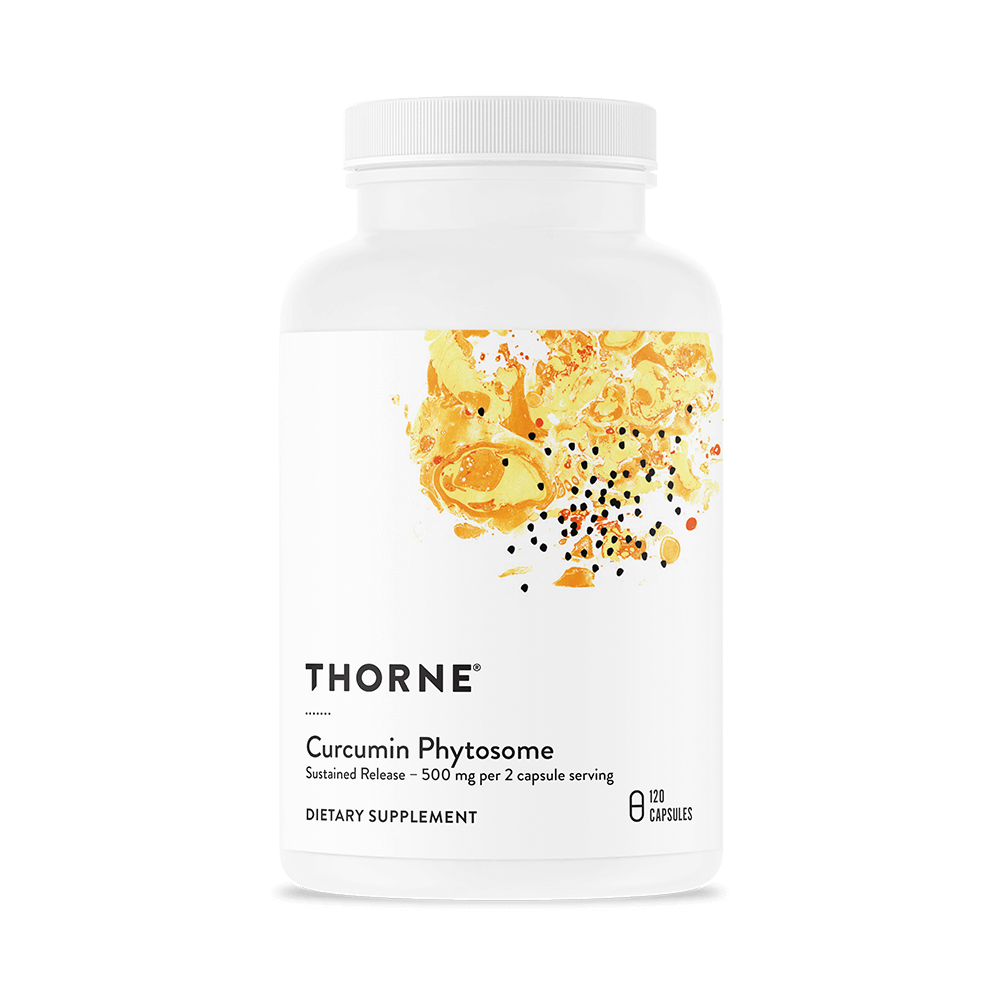
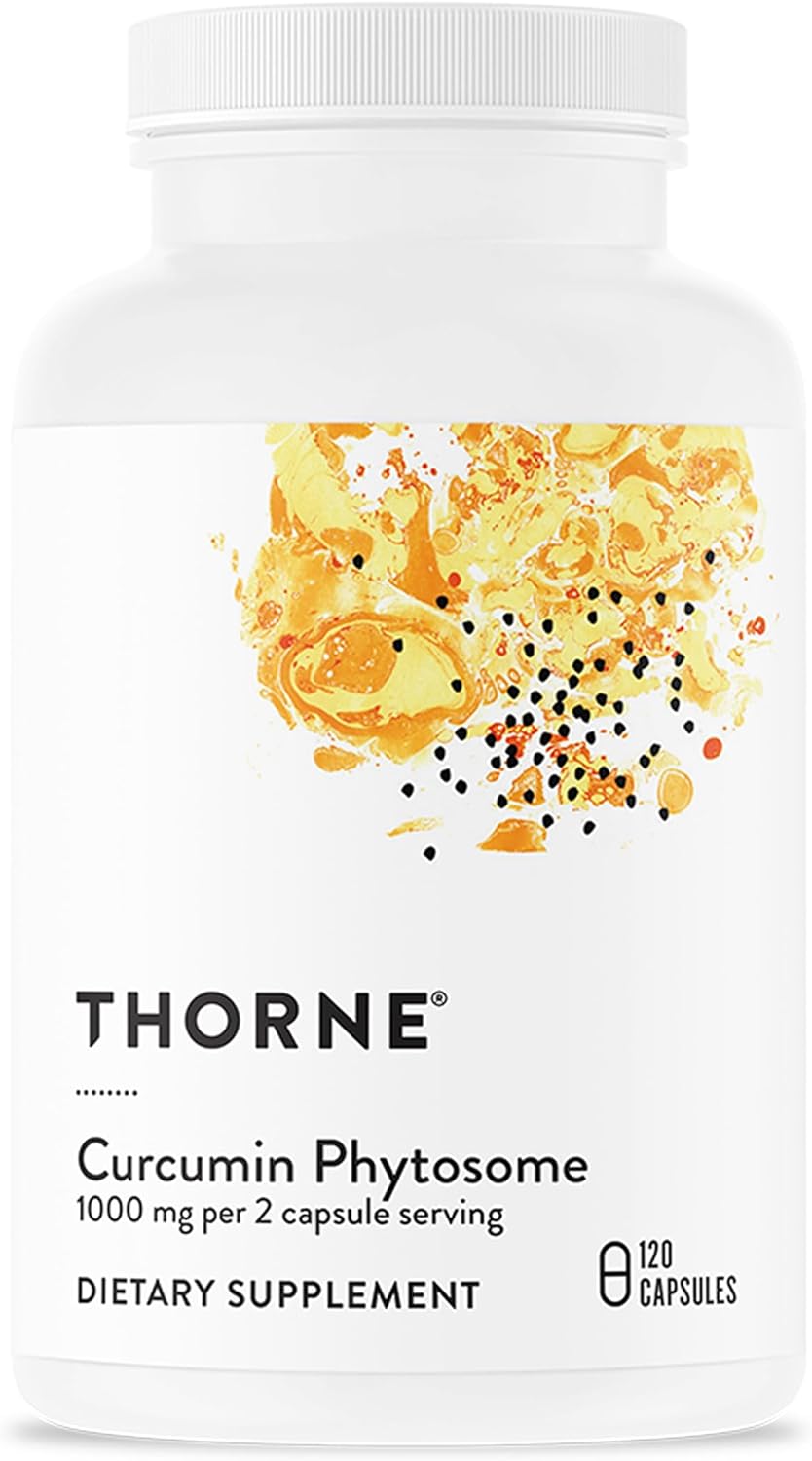
Hi RapAdmin, thanks so much for all this information! Awesome. My question is if you are talking about the Thorne Curcumin Phytosome “sustained release” version or the non-sustained version?

There is a link in the above table for the product and it goes here:

I thought I would look at this a bit and I find the fiber in chia seeds has a similar effect.

1 Like

oooo, I got the non-sustained release - u think i should not use it and get the sustained one? appreciate you sir! I got this one as i did not noticed the link u showed bottle with caption about sustained release… each pill is 500mg also just not sustained… Wife said it might have kept her awake last night.

Interesting paper. What I find odd is the absence of discussion about nutritional choices to allow our microbiomes to make the butyrate!
Absent fuel… probiotics get you nowhere… and are expensive.
I have major “issues”. Crohn’s disease, myasthenia gravis requiring a decade of high dose prednisone. Recently (and unsurprisingly), steroid induced type 2DM. I started Rapamycin not for it’s longevity but for it’s effect on Treg/Th17 balance (5-6 years ago)…

In my attempts to resolve the diabetes I have, of necessity, needed medications. That was insufficient. Ditto fairly extreme carb restriction (and exercise).

The missing piece for me was soluble fibre. In amounts few others approach.

Most days 75 g of soluble fibre. Some days in excess of 125g.

Unlike most who abandon acarbose because it provides “fuel” for fermenters, I embrace it!
Two days ago I consumed 75 g of non fibre starch with 125mg of acarbose… most of that never hit my bloodstream. Gas? Nope!

I have converted a dysbiotic leaky gut into a fermentation and scfa producing factory.
It has not been easy, but it is doable.
I’ll also weigh in on a paper posted elsewhere about inulin.
No surprise at all that a SINGLE DOSE of 30 g caused bloating, gas, colonic distension (and gut leak) in some, but not all subjects. My prediction is that they lacked the intestinal ecology to handle this huge dose in terms of fermentation, different other dietary choices that exacerbated rapid early fermentation and no secondary gas metabolizers.

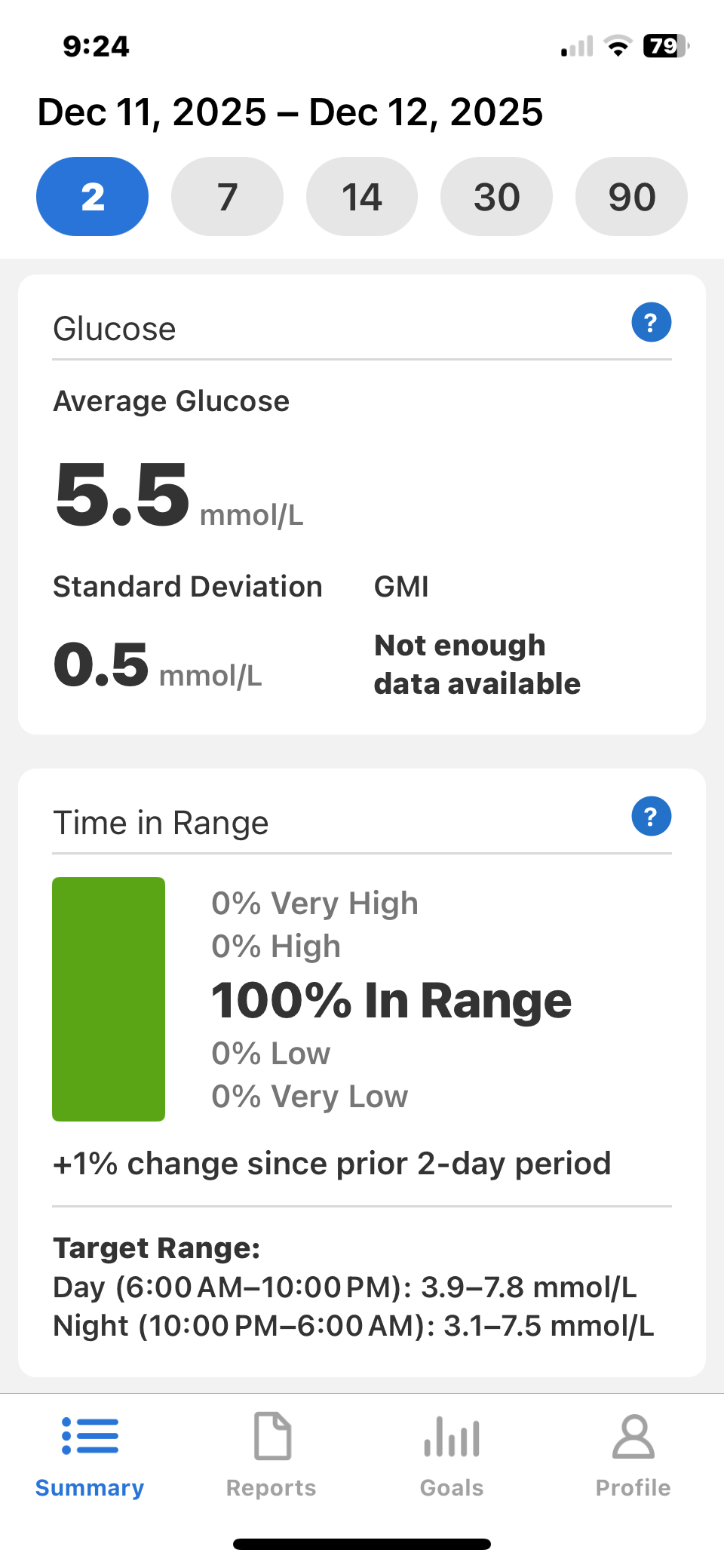
I just finished my usual breakfast of 200 ml of yogurt, 12 g each of creatinine, psyllium, inulin and potato starch. There will be zero gas, distension or distress.

How is it working?
I’ll try to add a clarity screenshot.
Remember, this is a guy on 15-50 mg of prednisone for a decade!
BTW, my dexa… 12.8% fat, and a T score (not Z score), of 1.5! No sarcopenia.
My high order conceptual model has had major upgrades, and I think its working.

5 Likes