KarlT
#3
Are you saying you get a big glucose spike from eating berries?
Bicep
#4
Blueberries are like candy compared to the chokeberry. I’ve got a few acres of these and the market is terrible for them, but look at the polyphenols:
So if you need a little boost to your health, include more aronia berries !
1 Like
Bicep
#6
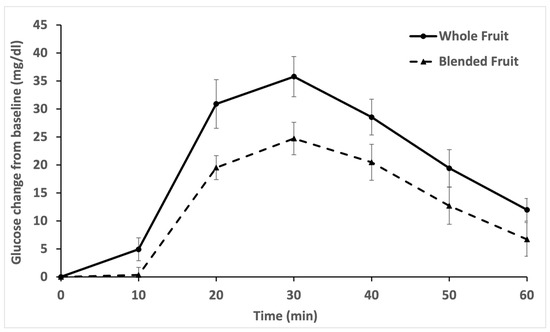
Very interesting because I always heard blending did the opposite.
thanks,
Effects of Amino Acids Supplementation on Lipid and Glucose …
https://www.mdpi.com › pdf
](https://www.google.com/url?sa=t&rct=j&q=&esrc=s&source=web&cd=&ved=2ahUKEwjU78jw2bb7AhVfEVkFHbo8CdMQFnoECAsQAQ&url=https%3A%2F%2Fwww.mdpi.com%2F2072-6643%2F14%2F15%2F3050%2Fpdf&usg=AOvVaw1WiWUyn3MXC9bcM_8PhUxE)
by S Wang · 2022 · Cited by 1 — These cells were pretreated with SAMe, betaine, taurine, … and it seems to play a role in preventing glucose toxicity (Figure 1a).
well simple vitamin C
oranges/kiwi fruit over pears/apples
i KNEW this when i was 13 but then got dissuaded by all the hate directed on linus pauling’s theories of vitamin C. it is time to see its comeback!!
Results: Following AA supplementation, significant decreases were observed in daily postprandial glucose iAUC (-36%), in duration of day with hyperglycaemia (-2.8 h/d) and postprandial hyperglycaemia (-1.7 h/d), in average 24-hour glucose (-0.8 mmol/L) and daily postprandial glucose (-1.1 mmol/L) concentrations, in systolic (-7 mm Hg) and diastolic (-5 mm Hg) blood pressures and in a specific fraction of free plasma F2 -isoprostanes (-47 pg/mL) as compared to placebo.
The primary finding of the present study is a significant decrease in FBG, PPBG, and HbA1c and an increase in plasma ascorbic acid level after vitamin C supplementation along with metformin in patients of type 2 DM. To the best of our knowledge, this is the first report, related to significant improvement in all above parameters after concomitant use of metformin and vitamin C. The results of this study are in agreement with previously published data showing betterment in glycemic control with vitamin C supplementation [10, 11]. In our study, patients also received metformin and it is an established first-line drug for treatment of type 2 DM. Hence, it is difficult to say whether this beneficial effect of ascorbic acid supplement could be attributed to its effect on the underlying disease or correction of the inadequate vitamin C status. The exact mechanism by which vitamin C brings about these changes is not known. It is well documented that there is an increased production of damaging free radicals in type 2 DM patients. Glucose autooxidation, protein glycosylation, formation of advanced glycation end products, and polyol pathway are involved in generation of oxidative stress, implicated in the origin of both type 1 and 2 DM [12]. The protection against such damage can be offered by free radical-scavenging antioxidants.
Increased demand for vitamin C to compensate the increased oxidative stress and impaired transport or dietary deficiency of vitamin C may be contributing to decreased levels of plasma vitamin C levels observed in type 2 DM patients [13]. High but physiologic concentrations of ascorbic acid can directly inhibit erythrocyte aldose reductase and provide a rationale for the use of oral vitamin C supplements in diabetes [14]. A significant inverse relationship between plasma AA and DNA damage in type 2 DM patients indicates that poorly controlled diabetic subjects might benefit from increased dietary vitamin C [15]. Ascorbic acid supplementation for diabetic subjects may provide a simple means of preventing and ameliorating the complications of diabetes. The weak methodology in past research leads to conflicting results as the studies were not controlled. Therefore, like our trial, randomized, double-blind clinical trials of ascorbic acid supplementation for longer duration should be a high priority for establishment of role of ascorbic acid in diabetes.