Here is what CGPT5 tells us…
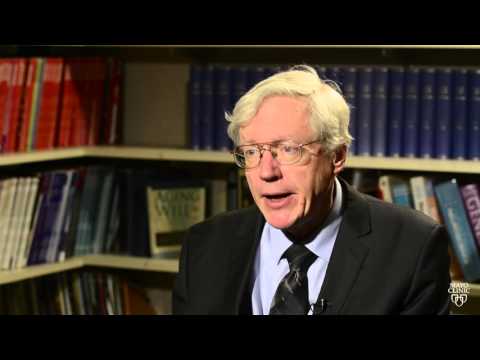
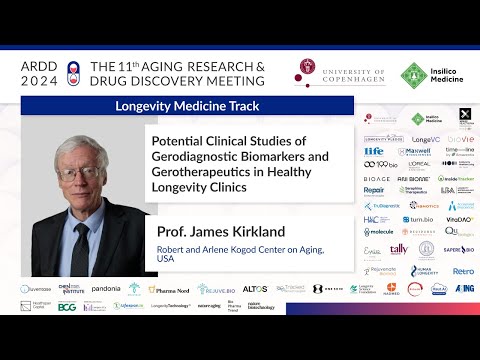
Here’s a concise, results-first roll-up of human studies led by (or with core leadership from) Dr. James L. Kirkland’s Mayo Clinic team on senolytics—plus what’s still ongoing. I separate peer-reviewed readouts from registered/ongoing trials.
Completed studies with peer-reviewed results
Dasatinib + Quercetin (D+Q) — Diabetic Kidney Disease (open-label pilot, NCT02848131) — Mayo-led
What they did: One 3-day “hit-and-run” course of D (100 mg/day) + Q (1000–1250 mg/day); adipose/skin biopsies ~11 days later.
Key result: First direct human biopsy evidence that a senolytic regimen reduced senescent cell burden (↓ p16^INK4a^, p21^CIP1^, SA-β-gal) and lowered circulating SASP factors (e.g., IL-1α, IL-6, MMP-9/-12). (PubMed )
Dasatinib + Quercetin — Postmenopausal Women (Phase 2 RCT, NCT04313634) — Mayo-led
What they did: Intermittent D+Q vs placebo for 20 weeks (n=60); bone markers pre-specified.
Key result: Primary endpoint (20-week Δ in C-Tx) was not different overall. However, women with high baseline senescent-cell burden (highest tertile of T-cell p16) showed signals: ↑ P1NP at 2–4 weeks, ↓ C-Tx at 2 weeks, and ↑ distal radius BMD at 20 weeks. Safety acceptable. Take-home: benefit may depend on who actually has high senescent load. (PubMed )
Dasatinib + Quercetin — Idiopathic Pulmonary Fibrosis (IPF)
-
Open-label pilot (first-in-human feasibility; D 100 mg/day + Q 1250 mg/day, 3 days/week × 3 weeks): Improved physical function (6-min walk distance, gait speed, chair-stands); pulmonary function unchanged; safety acceptable. (PubMed )
-
Phase I single-blind, single-center randomized pilot (feasibility/tolerability focus): Confirmed feasibility/tolerability of intermittent D+Q; designed for methods/safety, not powered for hard efficacy. (PubMed )
Bottom line from completed trials: Proof-of-mechanism that senolytics can lower senescent cell markers in humans (DKD), functional signals in IPF pilots, and heterogeneous efficacy in healthy aging women with bone endpoints—potential benefit concentrated in those with higher senescent burden. (PubMed )
Fisetin trials from the Mayo team (status / outcomes)
AFFIRM — “Alleviation by Fisetin of Frailty, Inflammation, and Related Measures in Older Adults” (NCT03675724, Mayo)
Registered as a Mayo Clinic trial in ≥70-year-olds using intermittent high-dose fisetin to affect frailty biology and senescence markers. No peer-reviewed results posted as of Oct 23, 2025; Mayo’s study page lists it and shows Mayo IRB / NCT link. (Mayo Clinic)
COVFIS-HOME — Outpatient COVID-19 fisetin Phase 2 pilot (NCT04771611, Mayo)
Mayo clinical-trials page lists the study (now closed for enrollment). No publications/results posted on the Mayo page or ClinicalTrials.gov results tab as of today. ([Mayo Clinic][6])
Net on fisetin at Mayo (to date): multiple Mayo-sponsored/led fisetin trials were launched, but no human efficacy readouts from Mayo on fisetin have been published yet as of today’s date; completed Mayo fisetin studies haven’t posted results in peer-reviewed venues. (Mayo Clinic)
Ongoing / active studies involving the Mayo group
Mayo-led (active):
-
Sequential senolytic regimens for residual glioma (Phase 0/early Phase I), algorithmic approach rotating D+Q → fisetin → temozolomide combinations with imaging/CSF biomarkers. Lead org: Mayo Clinic (Rochester). Status: active. (NCT07025226). ([cancer.gov][7])
Collaborations / network trials that include fisetin (not Mayo-led):
-
Fisetin to improve physical function in breast-cancer survivors (Phase II; sponsor: UCLA/Jonsson) — Recruiting; fisetin vs placebo with functional endpoints, multi-site network. (NCT05595499; NCI DCP listing). ([National Cancer Institute Prevention][8])
-
PROFFi: Fisetin + Exercise to prevent frailty in breast-cancer survivors (Phase II; UCLA network page; separate NCT). Actively recruiting per site listing. ([UCLA Health][9])
Quick reference — one-liners per study
-
D+Q (DKD, NCT02848131): ↓ senescent cells in adipose/skin and ↓ SASP within ~11 days after a single 3-day course. Mechanism proof in humans. (PubMed )
-
D+Q (Postmenopausal women, NCT04313634): Primary bone resorption marker negative overall; positive signals limited to high-p16 subgroup; safety acceptable. (PubMed )
-
D+Q (IPF pilots, NCT02874989): Open-label: ↑ functional performance; RCT pilot: feasibility/tolerability established. (PubMed )
-
Fisetin (AFFIRM, NCT03675724): Registered; no published results to date. (Mayo Clinic)
-
Fisetin (COVFIS-HOME, NCT04771611): Mayo Phase 2 outpatient COVID; closed for enrollment; no publications posted. ([Mayo Clinic][6])
-
Senolytic sequencing incl. fisetin (Glioma, NCT07025226): Active; adaptive Phase 0/early I at Mayo. ([cancer.gov][7])
-
Fisetin cancer survivorship trials (network, e.g., NCT05595499; PROFFi): Recruiting; not Mayo-led but aligned with Mayo’s senolytic program. ([National Cancer Institute Prevention][8])
If helpful, I can turn this into a one-page matrix with dose, schedule (mg/kg and cycle timing), primary/secondary endpoints, biomarker panels, and links to full texts/protocols—just say the word.
[6]: https://www.mayo.edu/research/clinical-trials/cls-20514207 "
COVFIS-HOME: COVID-19 Pilot Study of Fisetin to Alleviate Dysfunction and Decrease Complications - Mayo Clinic
"
[7]: Facebook “Medication Combinations of Dasatinib, Quercetin, Fisetin and Temozolomide for the Treatment of Previously Treated Glioma with Residual Disease - NCI”
[8]: https://www.prevention.cancer.gov/clinical-trials/clinical-trials-search/nct05595499 “Fisetin to Improve Physical Function in Stage I-III Breast Cancer Survivors | Division of Cancer Prevention”
[9]: Breast Cancer UCLA Clinical Trial | Prevention of Frailty With Fisetin and Exercise in Breast Cancer Survivors | UCLA Health Clinical Trials and Research Studies “Breast Cancer UCLA Clinical Trial | Prevention of Frailty With Fisetin and Exercise in Breast Cancer Survivors | UCLA Health Clinical Trials and Research Studies”