Hi all,
I built a supplement price comparison tool that may be useful for people here who are comparing longevity stacks and trying to keep costs grounded.
It’s called TrueServing: https://www.trueserving.app
The basic idea is simple: instead of comparing bottle price or “price per serving” from the title, it reads Supplement Facts labels and normalizes products by cost per active dose. That matters a lot for categories like NMN, CoQ10, fish oil, spermidine, Ca-AKG, resveratrol, creatine, and magnesium, where serving sizes and label conventions can make two products look similar when the actual monthly cost is very different.
A few relevant pages:
Disclosure: I built this, and the site uses Amazon affiliate links. I’m sharing it because supplement cost comparisons come up a lot in longevity stack discussions, and I thought the underlying data might be useful to this community.
If there are categories people here care about that are missing or need better handling, I’d be happy to prioritize them.
Thanks,
Isaac
8 Likes
The first link I clicked on was an error.
The Thalacy spermidine calls it a 6 pack but the cost is for a single bottle.
I think most people prefer to buy from places other than Amazon. And pricing jumps around. I paid $12.95 for some Nutricost lithium 2 months ago from iherb that was $20 on Amazon. Now it is $15 on both iherb and Amazon.
2 Likes
Too many fake products on Amazon, though I understand it’s easier to get prices via their API.
1 Like
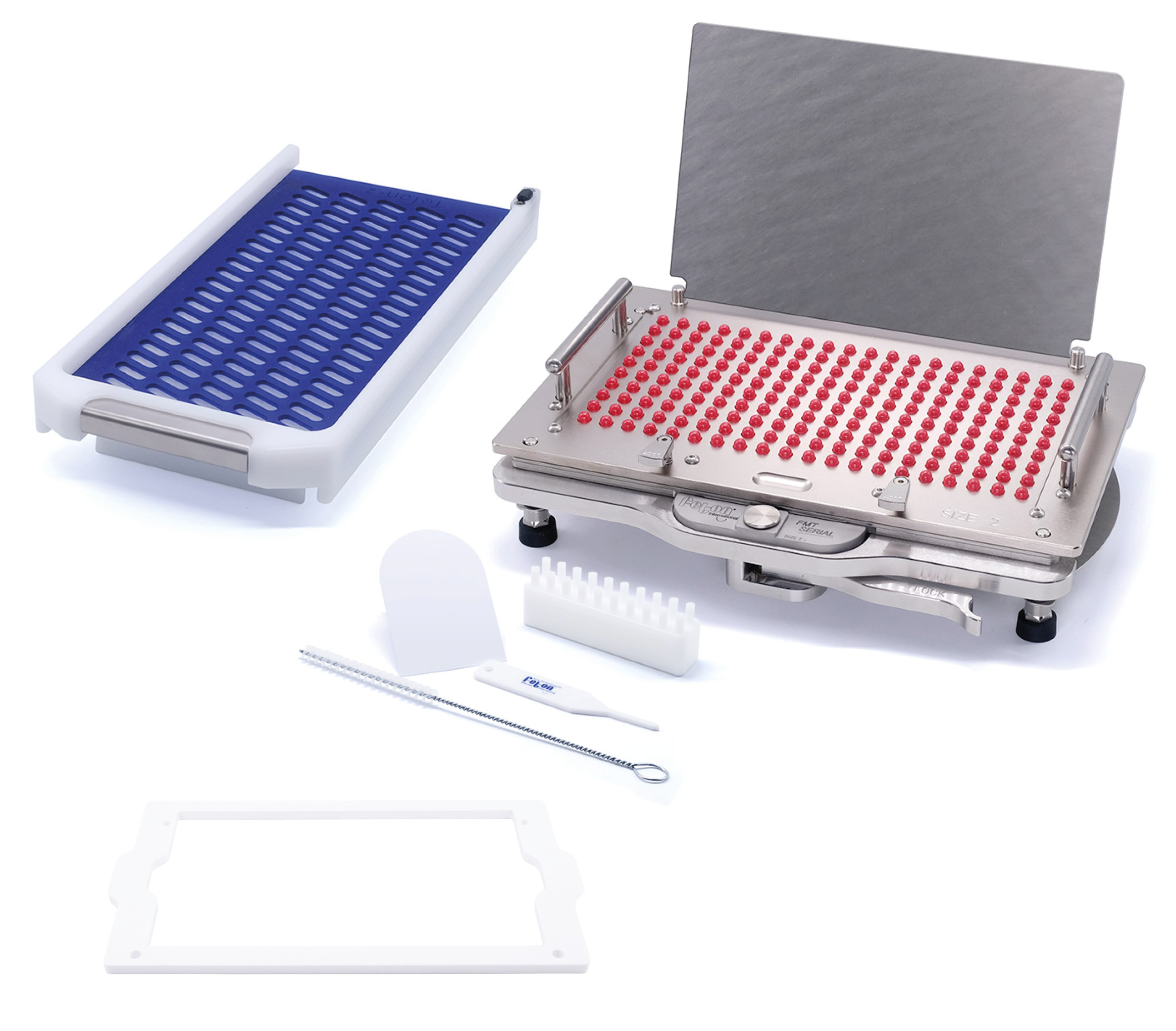
Excellent. I was especially surprised at how cheap NMN powder is. I am a fan of buying in bulk and filling my own capsules.
David–thanks for the heads up with the links and title discrepancy. I’m still working out the kinks, so I appreciate the feedback!
1 Like
Do you have a machine to do this for you?
rickyf
#7
I think this is great. However, I try to buy my supplements at other vendors as Amazon has too many counterfeits.
1 Like
I haven’t experienced any issues purchasing name brand supplements (e.g., NOW, Life Extension, Nutricost, Double Wood, Bulk Supplements) on Amazon. The only time I wandered into an unknown brand, I think I got burned. Many of the brands listed are pop-up companies. “Third party tested” can mean that the capsules are tested for potency and purity or – more often – it certifies only that a sample from one of the company’s batch purchases was tested for impurities.
I like the idea here - great effort. But the biggest issue I see is that many of the brands/products listed are not reputable sources that I would actually believe are providing valid products. Perhaps you could use AI or Consumer Reports to identify all the trusted brands , and either highlight these vendors, or provide two groupings … lowest prices from reputable vendors, and the absolute lowest cost without any quality filter?
As it is right now I’m not sure its worth using.
Find a way of integrating iHerb into this. Amazon is terrible but this website is a good concept.
2 Likes
I have one similar to this
I can easily do 500 caps an hour  used this when I was prototyping our senolytic formula
Had to submit a KYC doc to the DEA though LoL!