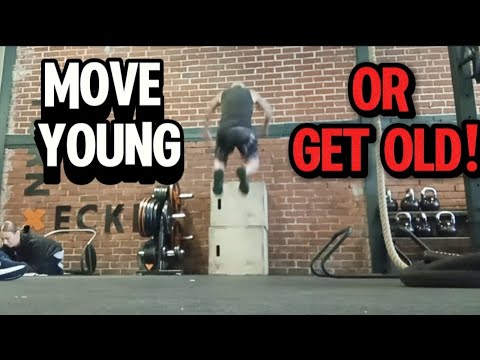
We need high intensity exercise to maximize brain health… "Not only for exercise interventions to enhance neuroplasticity but “to maximize the therapeutic potential of non-invasive brain stimulation.”
A single bout of cardiovascular exercise can enhance plasticity in human cortex; however, the intensity required for optimal enhancement is debated. We investigated the effect of exercise intensity on motor cortex synaptic plasticity, using transcranial magnetic stimulation. Twenty healthy adults (M age = 35.10 ± 13.25 years) completed three sessions. Measures of cortico-motor excitability (CME) and inhibition were obtained before and after a 20-min bout of either high-intensity interval exercise, moderate-intensity continuous exercise, or rest, and again after intermittent theta burst stimulation (iTBS). Results showed that high-intensity interval exercise enhanced iTBS plasticity more than rest, evidenced by increased CME and intracortical facilitation, and reduced intracortical inhibition. In comparison, the effect of moderate-intensity exercise was intermediate between high-intensity exercise and rest. Importantly, analysis of each participant’s plasticity response profile indicated that high-intensity exercise increased the likelihood of a facilitatory response to iTBS. We also established that the brain-derived neurotrophic factor Val66Met polymorphism attenuated plasticity responses following high-intensity exercise. These findings suggest that high-intensity interval exercise should be considered not only when planning exercise interventions designed to enhance neuroplasticity, but also to maximize the therapeutic potential of non-invasive brain stimulation. Additionally, genetic profiling may enhance efficacy of exercise interventions for brain health.
https://academic.oup.com/cercor/article/30/1/101/5482271?login=false
4 Likes
My personal experience aligns with these findings. An interesting problem emerged in my 70’s and in close friends of a similar age. Whereas cardiopulmonary capacity can be a limiting factor in HIIT activities when younger, at some point, muscle innervation becomes the limiting factor as the muscle nerve/muscle cell ratio continues to decline.
I experience this situation when climbing very steep hills even on a relatively smooth path (eliminating balance and other factors). I have difficulty climbing fast enough to get out of breath and reach and sustain Zone 5. I can sense that muscle innervation is the limiting factor.
Ironically, one of the best ways to slow or even partially reverse that declining ratio is HIIT.
6 Likes
Here’s someone who says endurance exercise is a negative for overall fitness:
Common Drive: Endurance Training Mimicks Aging by Killing It - Here’s Proof
1 Like
Now, a year later and (ahem) a year older, I can still attest to the applicability of what @RapAdmin reported above. All forms and intensities of exercise benefit me but short high intensity bursts have special effects that I don’t have good metrics for other than to note my subjective sense of well being, better balance (a small but real issue as I get older), and more energy. I get some HIIT working in our yard. Moving plants around, repairing drip lines, pruning, etc. is generally low intensity Zone 1 work but digging holes with my 7-foot 35 pound steel bar in our extremely rocky soil (eastern edge of greater Phoenix area) is excellent HIIT. The professionals in this area use electric jackhammers in this particular area. It can take 20 minutes or longer to dig a single hole which I break up into a half dozen or more HIIT bursts with the steel bar, each burst sending my HR well into Zone 5 and soon leaving me out of breath. Overall, I try to get some HIIT at home, some in bursts on hills, and occasionally on a stairstep machine or treadmill, which I find mostly unsatisfactory.
5 Likes
I can identify with your observation on common tasks. I was introduced to the bar you mentioned when I was 13 and helped out my uncle and father in a landscape business they had. I have had one in my shed for many decades and it still gives me a workout in the yard occasionally. It is called a San Angelo bar (not many people know that). A very useful tool.
1 Like
I have been trying high-intensity interval training for the past 2 weeks for about 10 to 15 minutes each day (4x4 – warm-up phase of a few minutes + 4 sessions for about 40 seconds at about 90% to 95% maximum heart-rate as measured by 220-age, interleaved with 4 sessions for recovery + a few more seconds delay in getting treadmill up to speed each session), and can definitely feel a lasting effect hours after completing it. The most obvious seems to be taut muscles in my abdominal area (e.g. obliques) and legs. Walking also seems to be easier even a few hours after – muscles seem stronger, seemingly requiring less effort to walk.
Supposedly (according to a Google search), HIIT can boost nitric oxide levels in the body long after each session, and regular HIIT can raise one’s baseline level of nitric oxide production. It also raises growth hormone levels up to an hour or two after finishing, and may also raise baseline levels.
1 Like
Tim
#7
All-out sprints have at least two advantages over a slow, lazy jog. One is that they generate endorphins, which creates euphoria. The faster you go, the more euphoric you feel. The second is that intervals provide a full-body fortification that protects against future illness. For example, I once had a case of septic shock that sent me to the hospital. While sepsis has a mortality rate of about 60% for those in their 70s, I was out of the hospital in five days. I attribute my rapid recovery–indeed, that I recovered at all–to a lifelong habit of high-intensity exercise.
1 Like