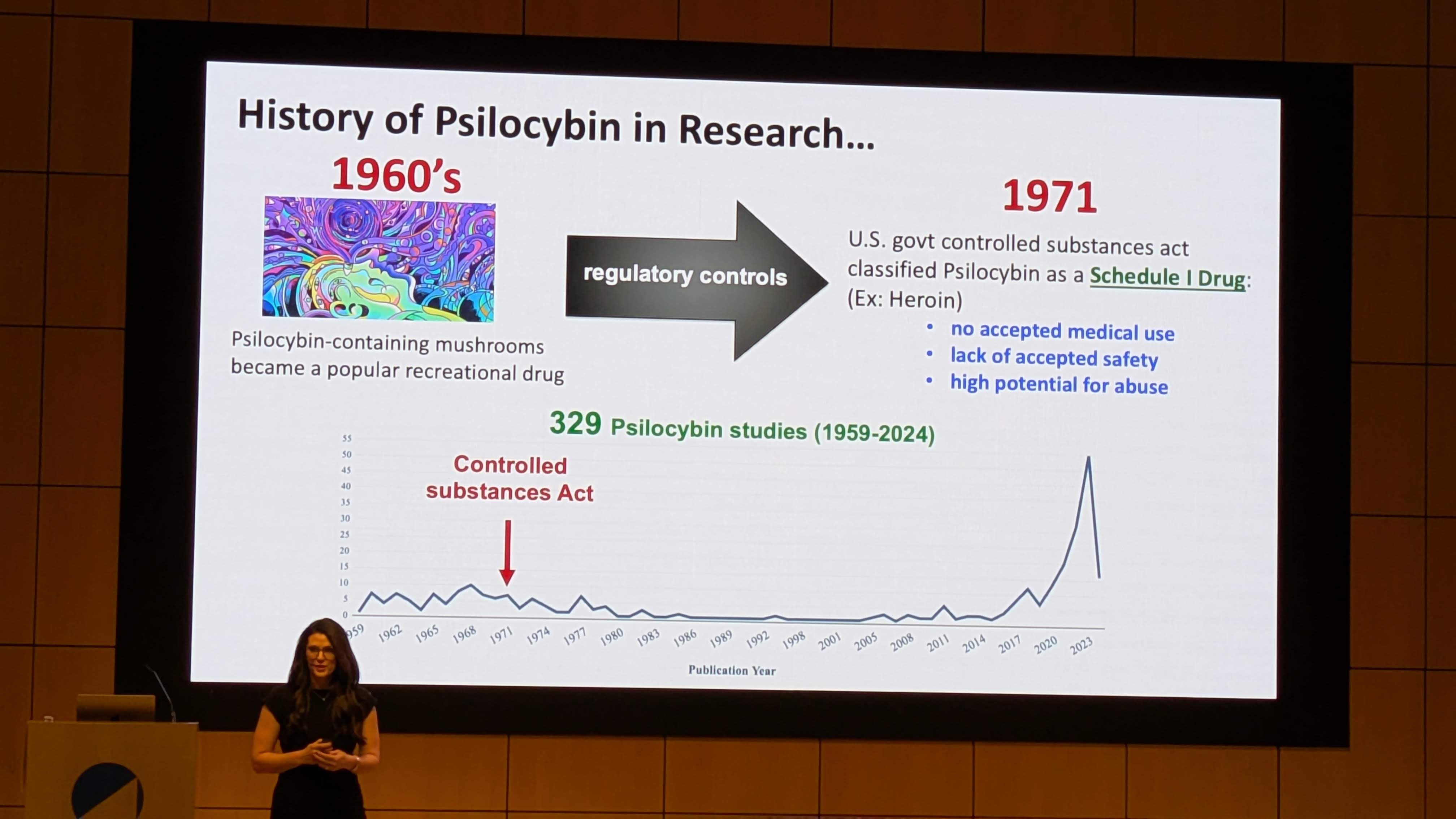
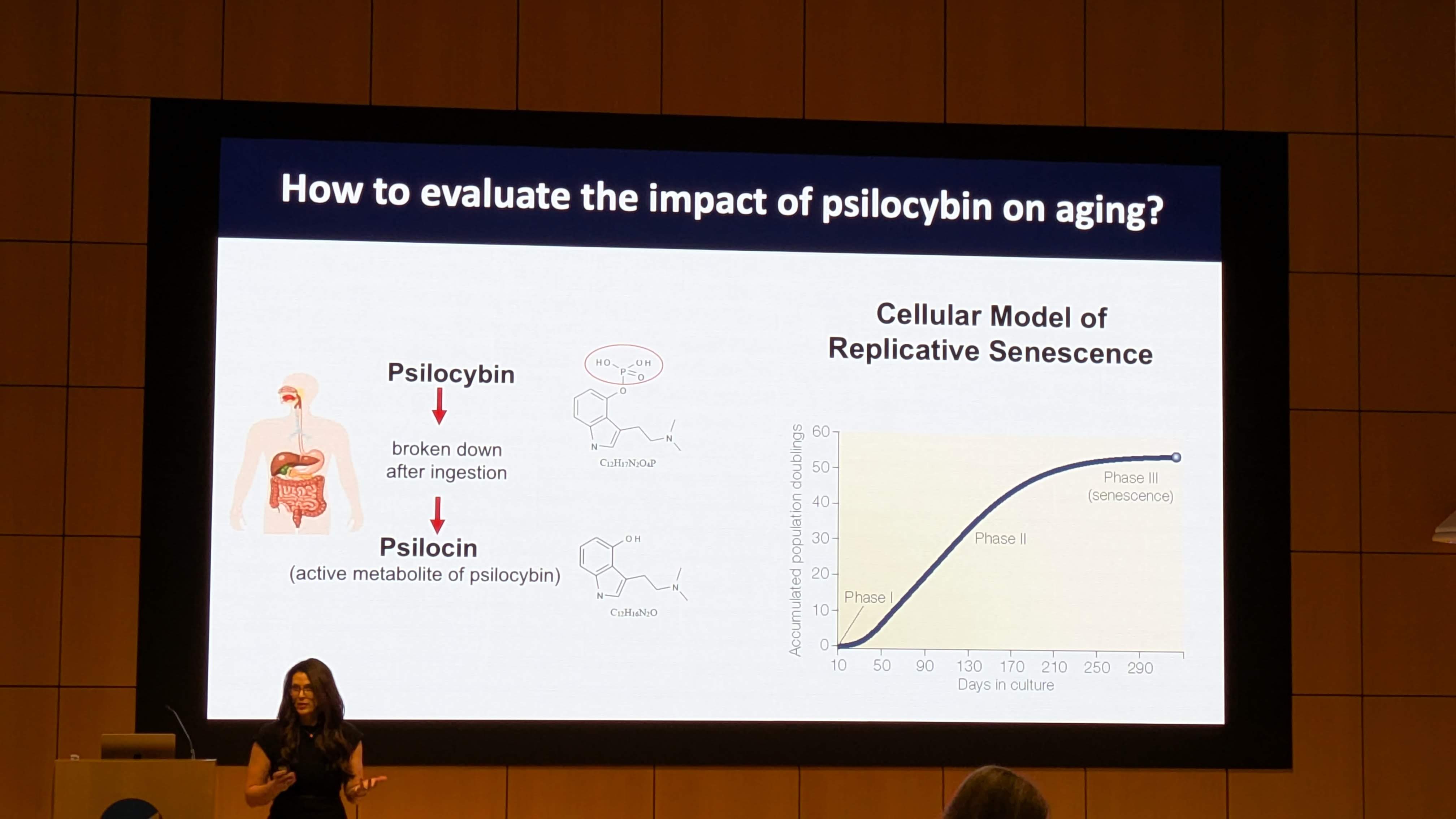
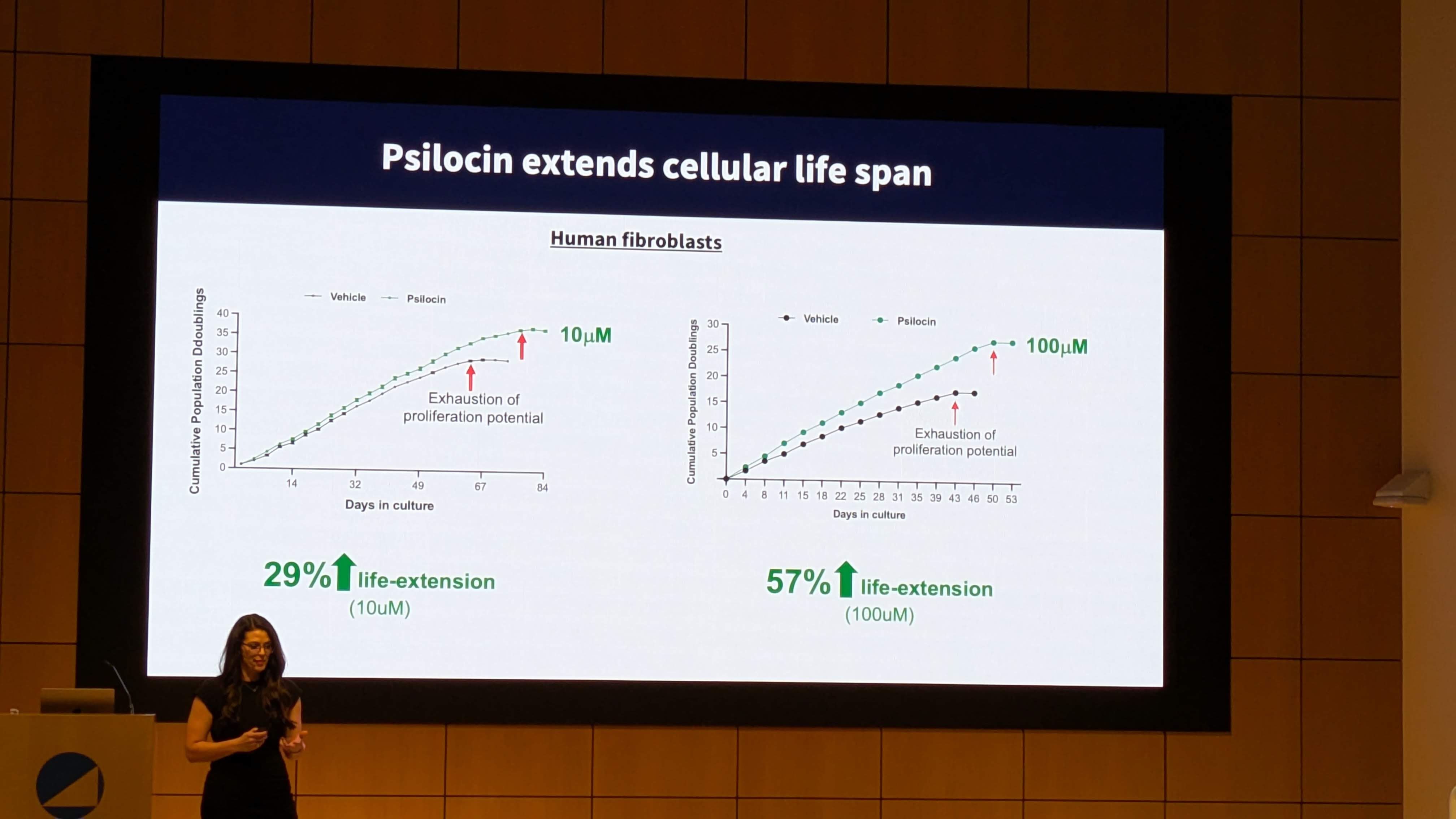
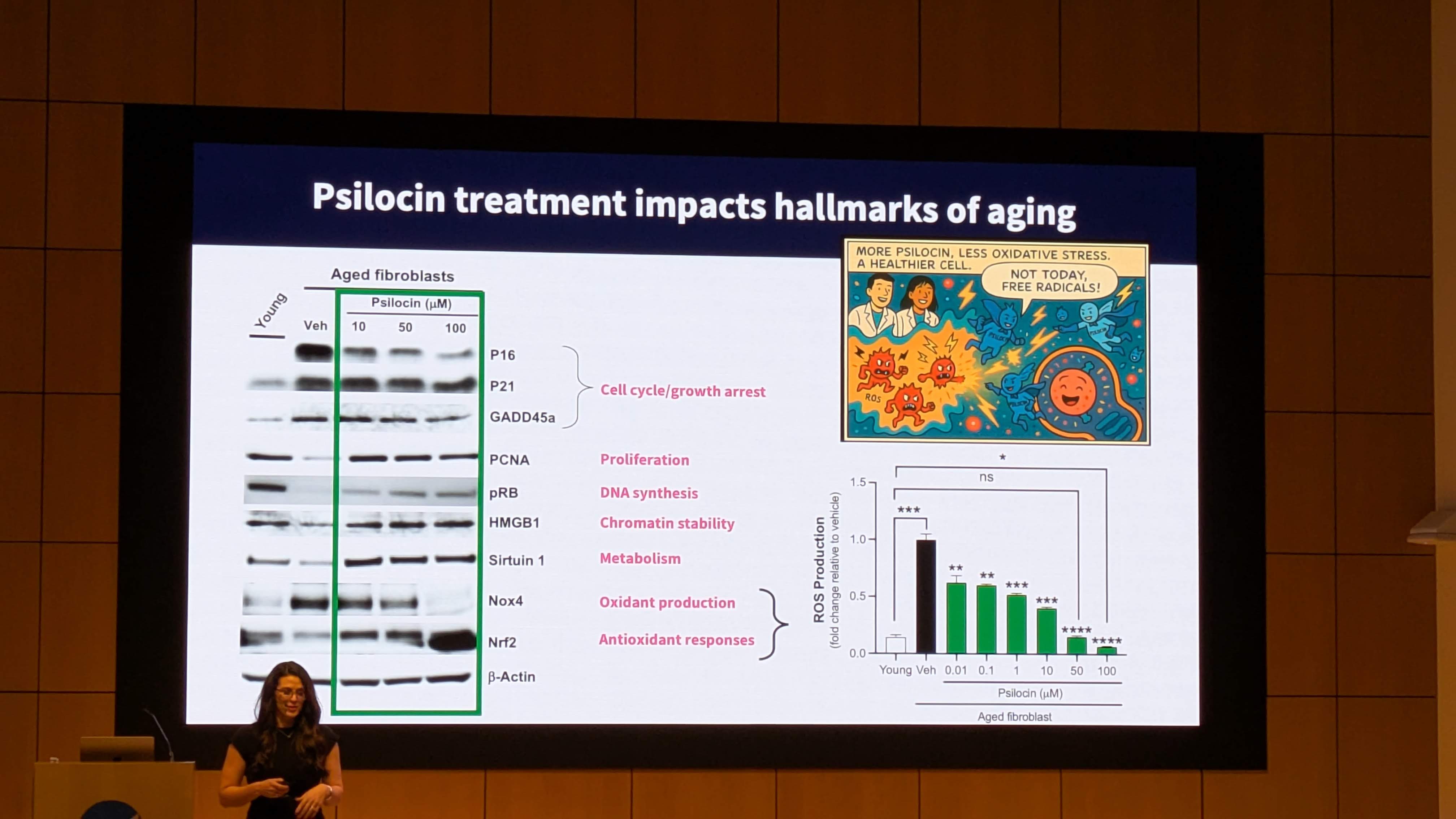
The Gemini Deep Research Summary and Analysis:
Psilocybin as a Putative Geroprotective Agent: A Comprehensive Analysis of Systemic Anti-Aging Mechanisms, Fibrosis Reversal, and Cellular Resilience
Executive Summary
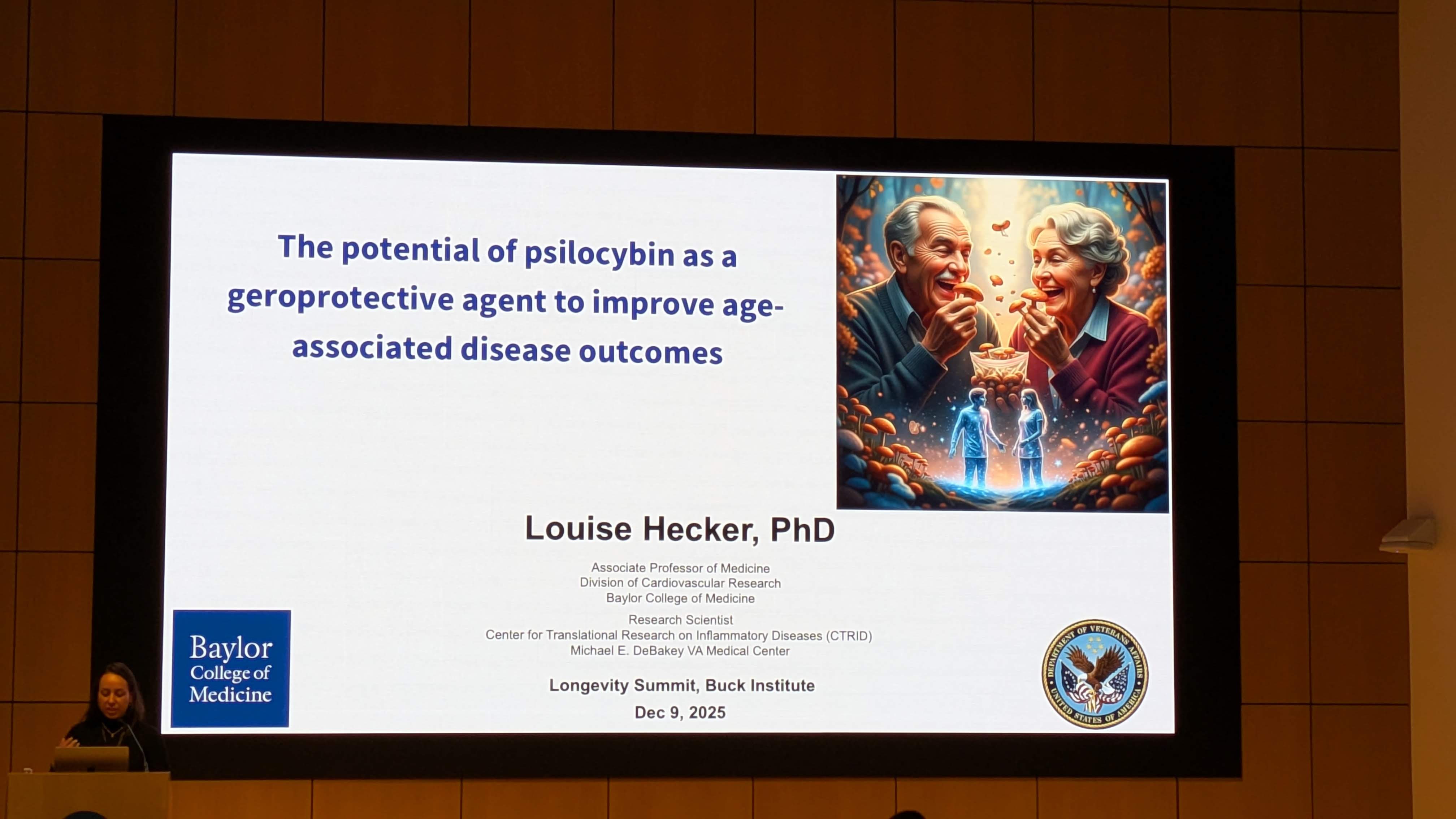
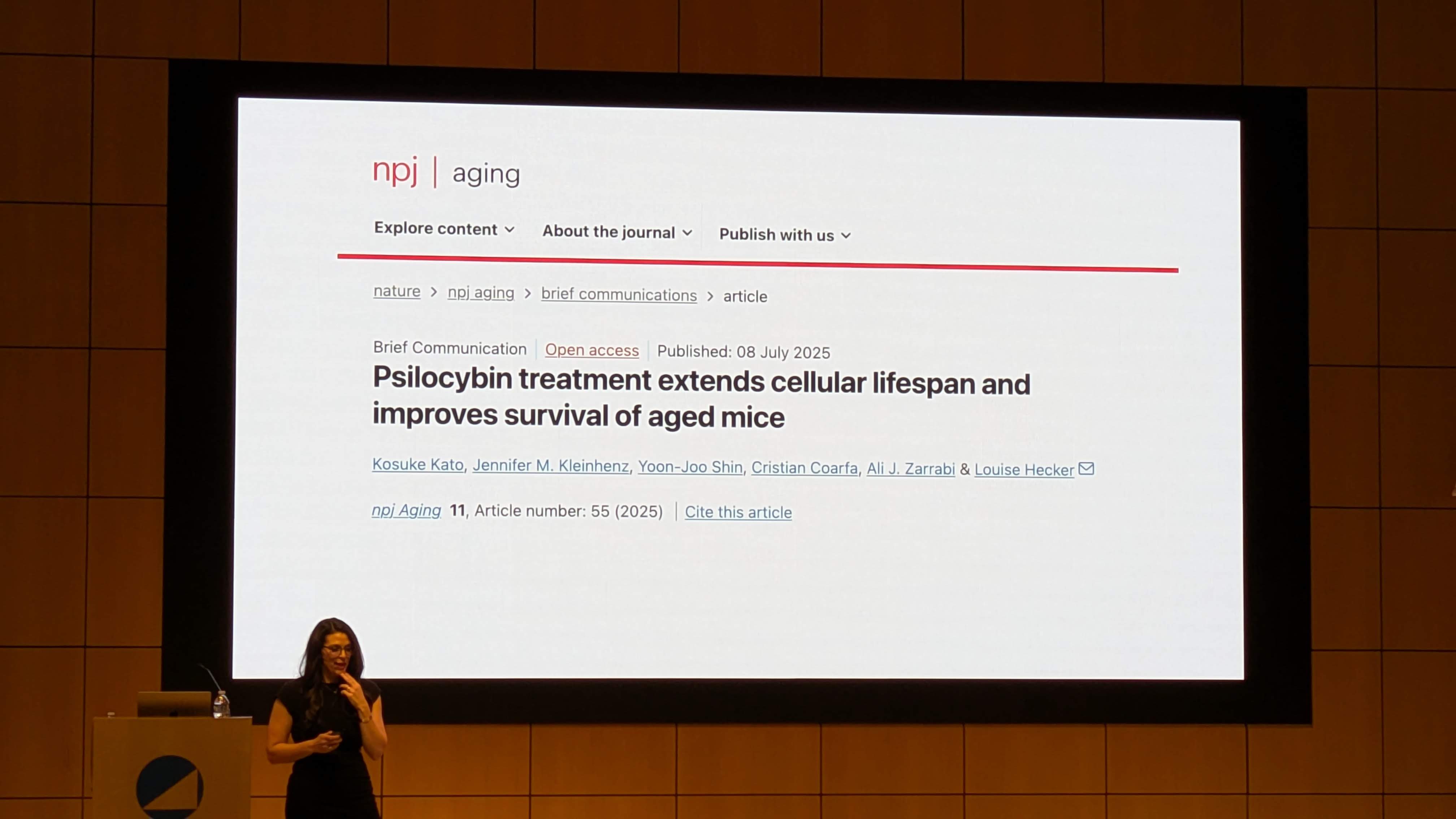
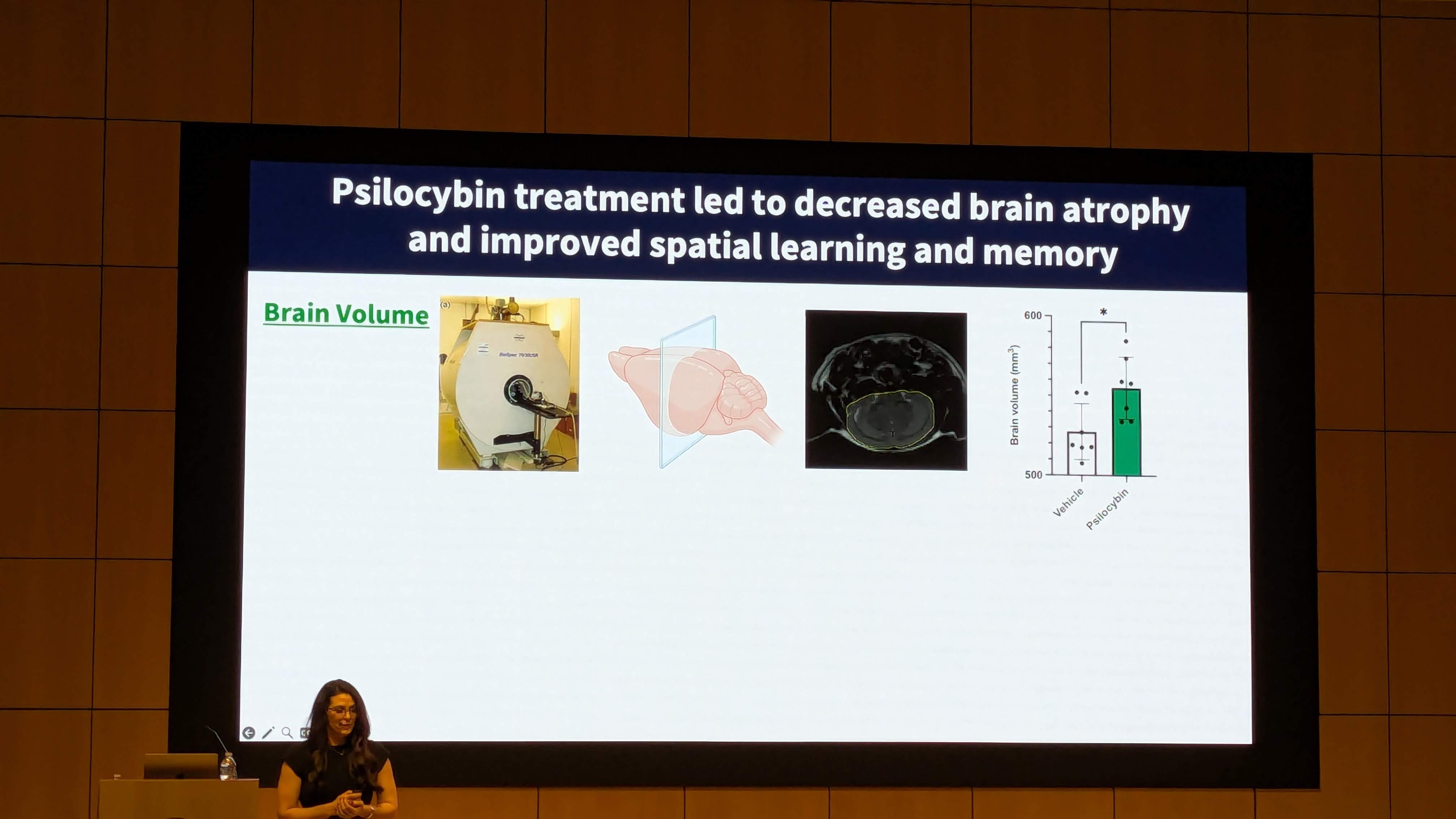
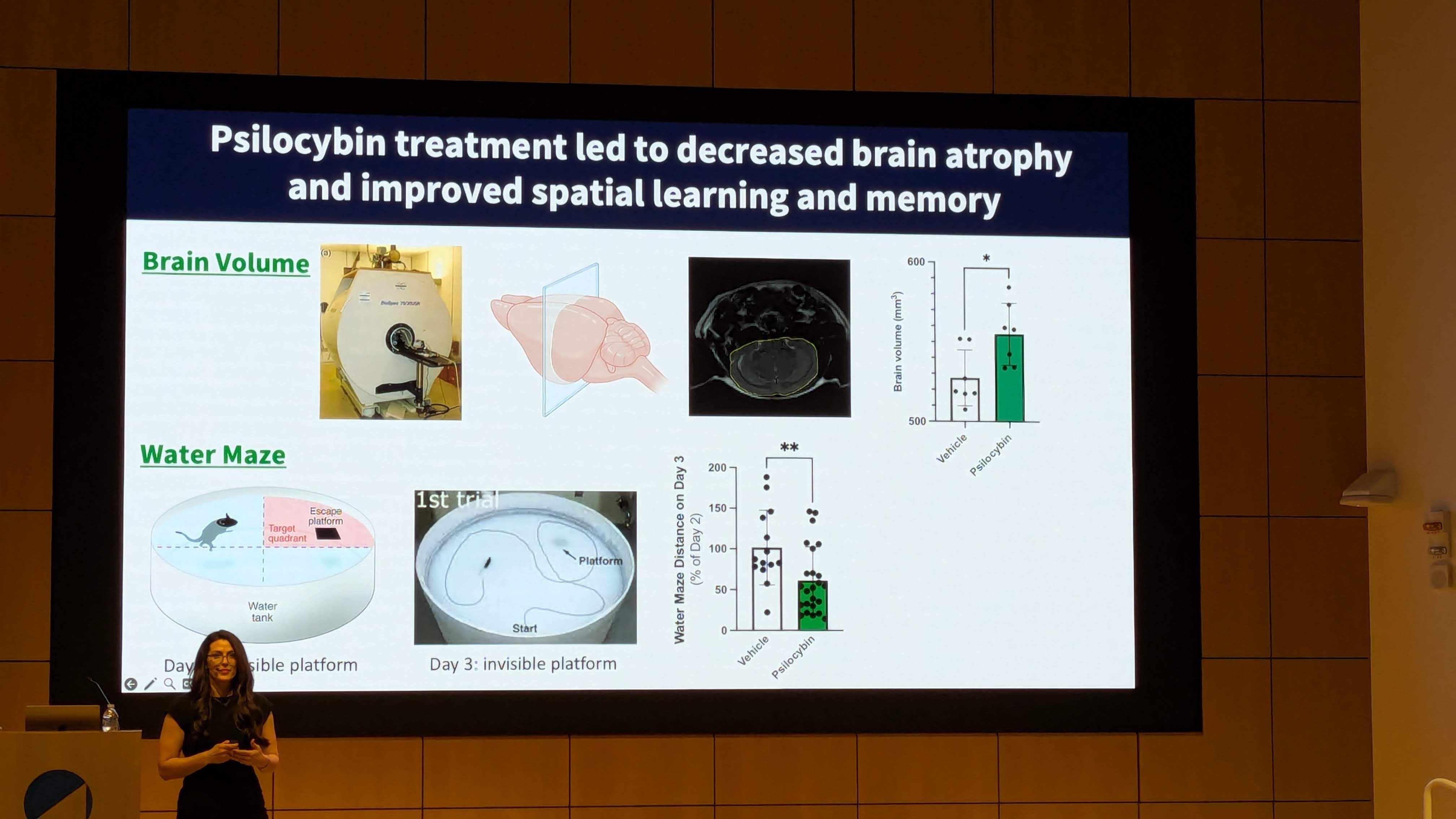
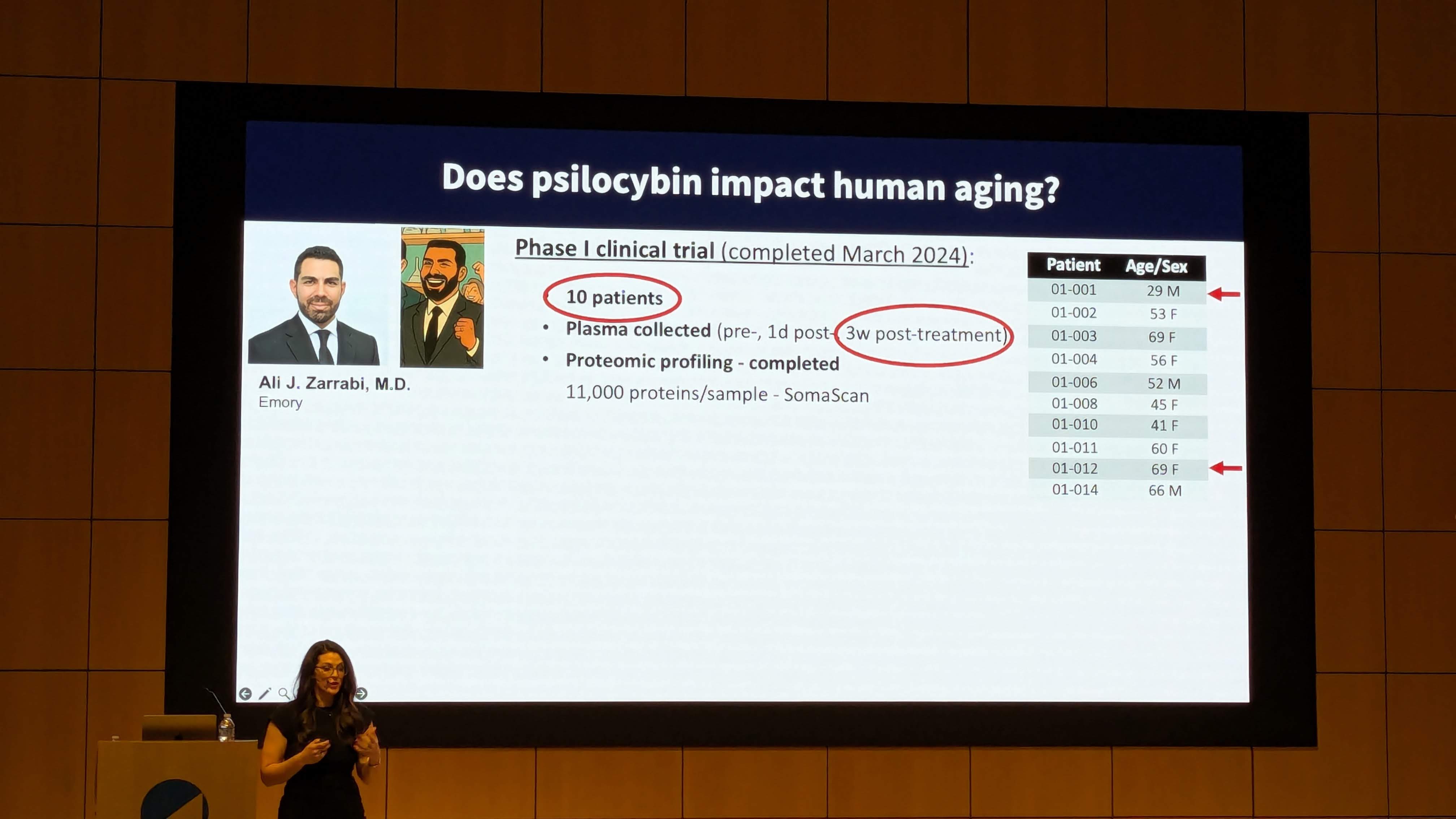
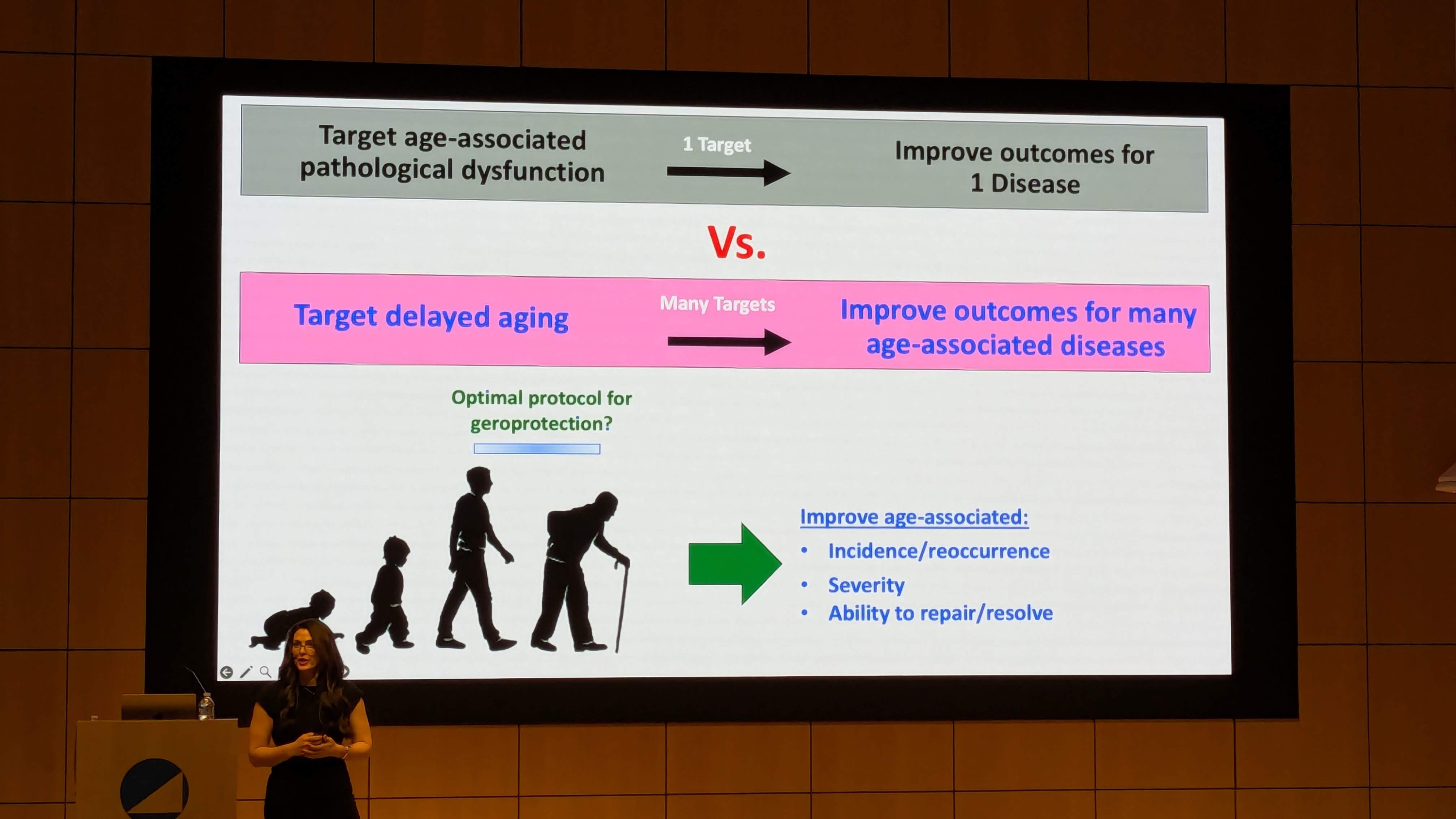
The pursuit of pharmaceutical interventions capable of delaying biological aging and extending healthspan—the field of geroscience—has reached a critical inflection point. While metabolic regulators such as rapamycin and metformin have dominated the discourse for decades, a novel and potentially disruptive class of compounds is emerging from an unexpected source: psychedelic medicine. This report provides an exhaustive analysis of the groundbreaking research presented by Dr. Louise Hecker at the Longevity Summit (Buck Institute, 2025) and the associated publication “Psilocybin treatment extends cellular lifespan and improves survival of aged mice” (Kato et al., 2025).
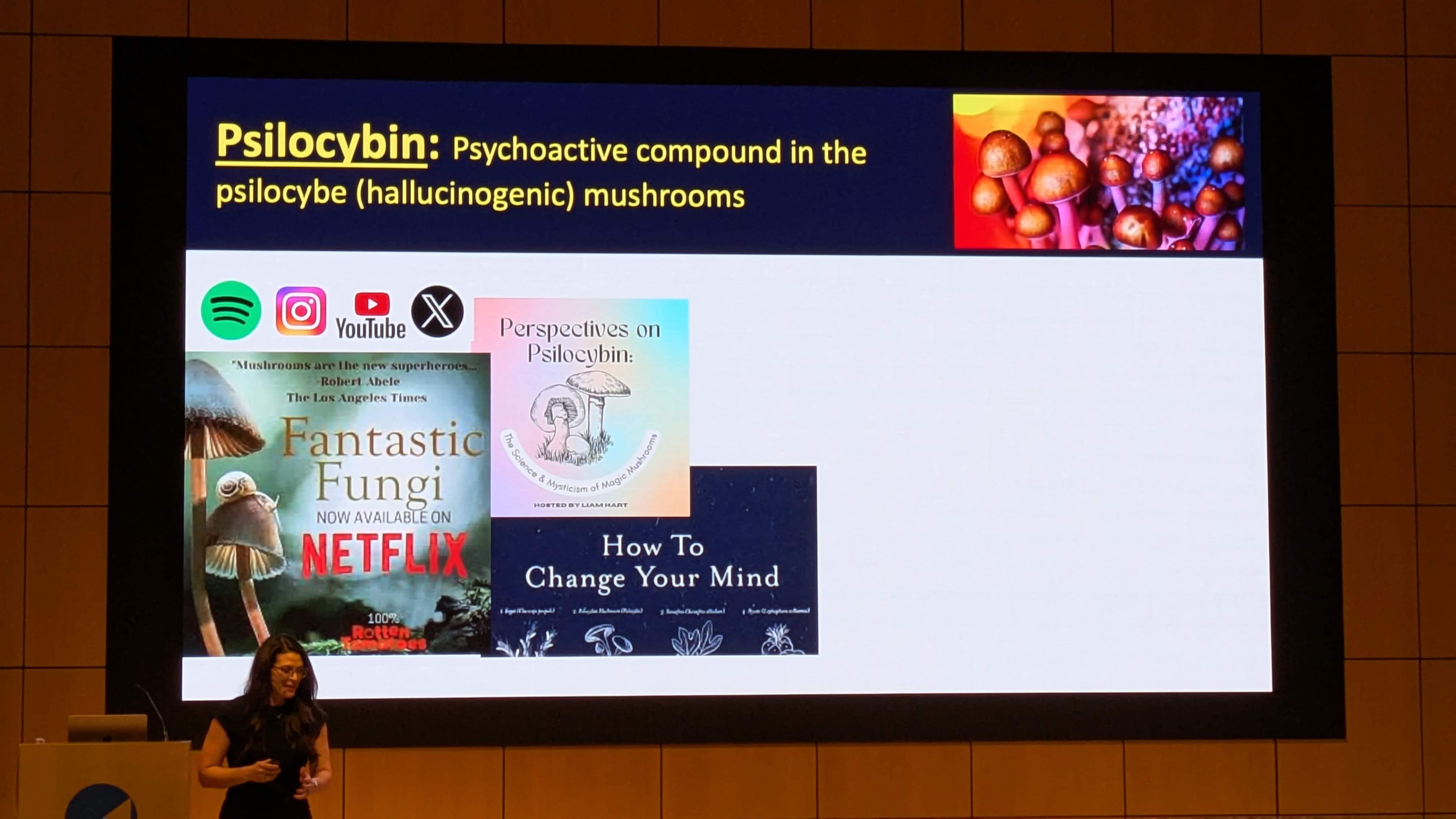
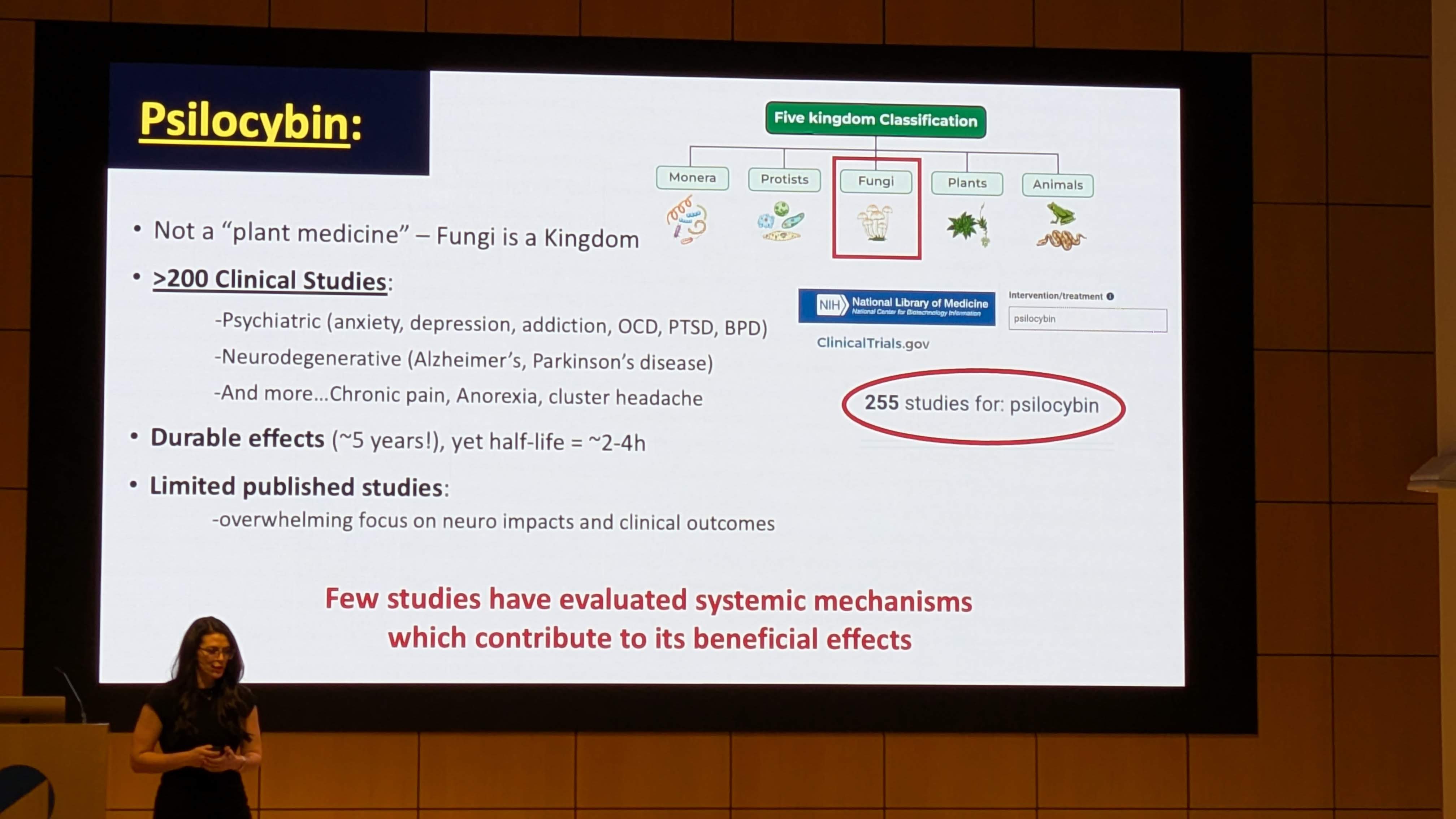
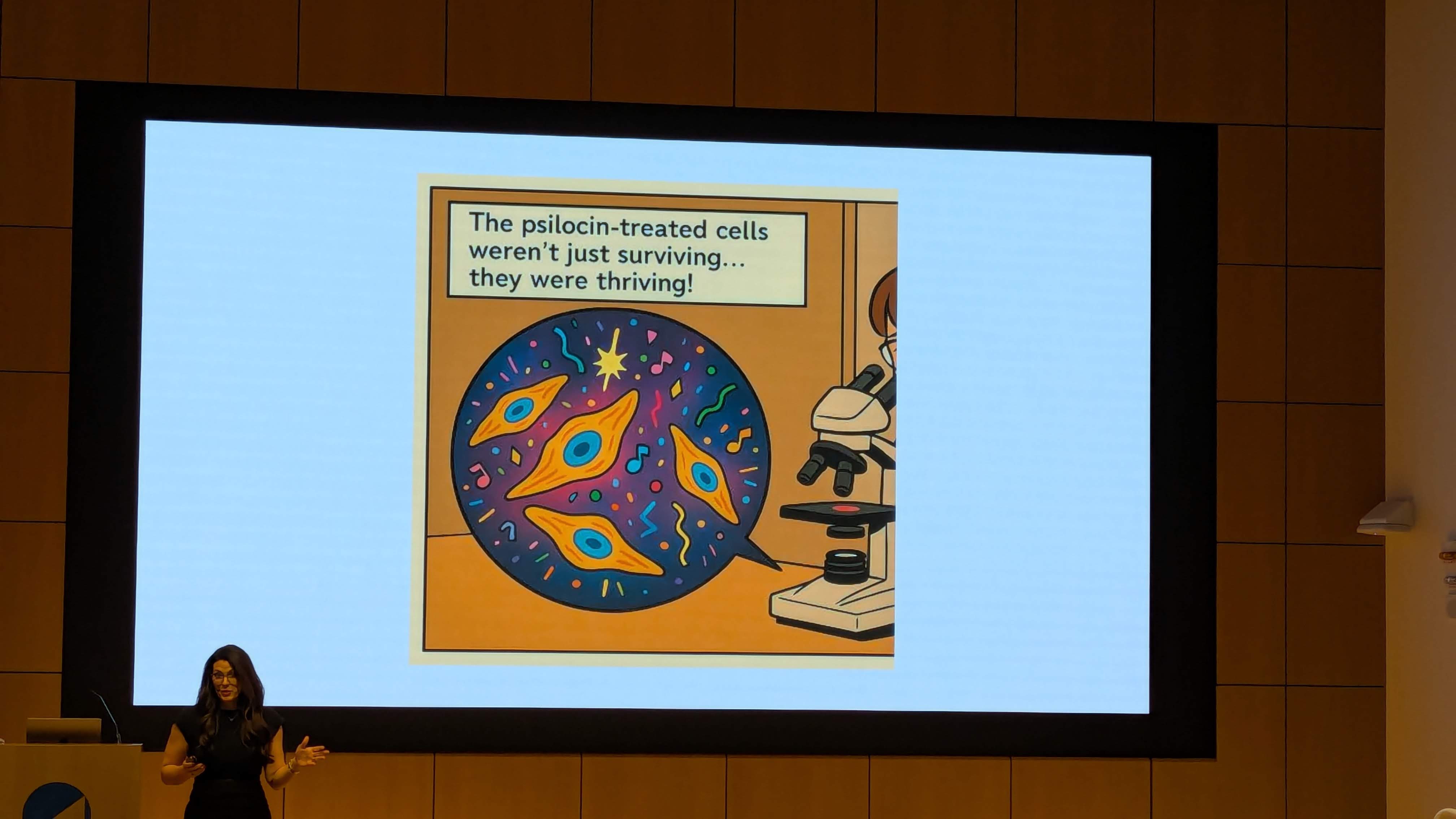
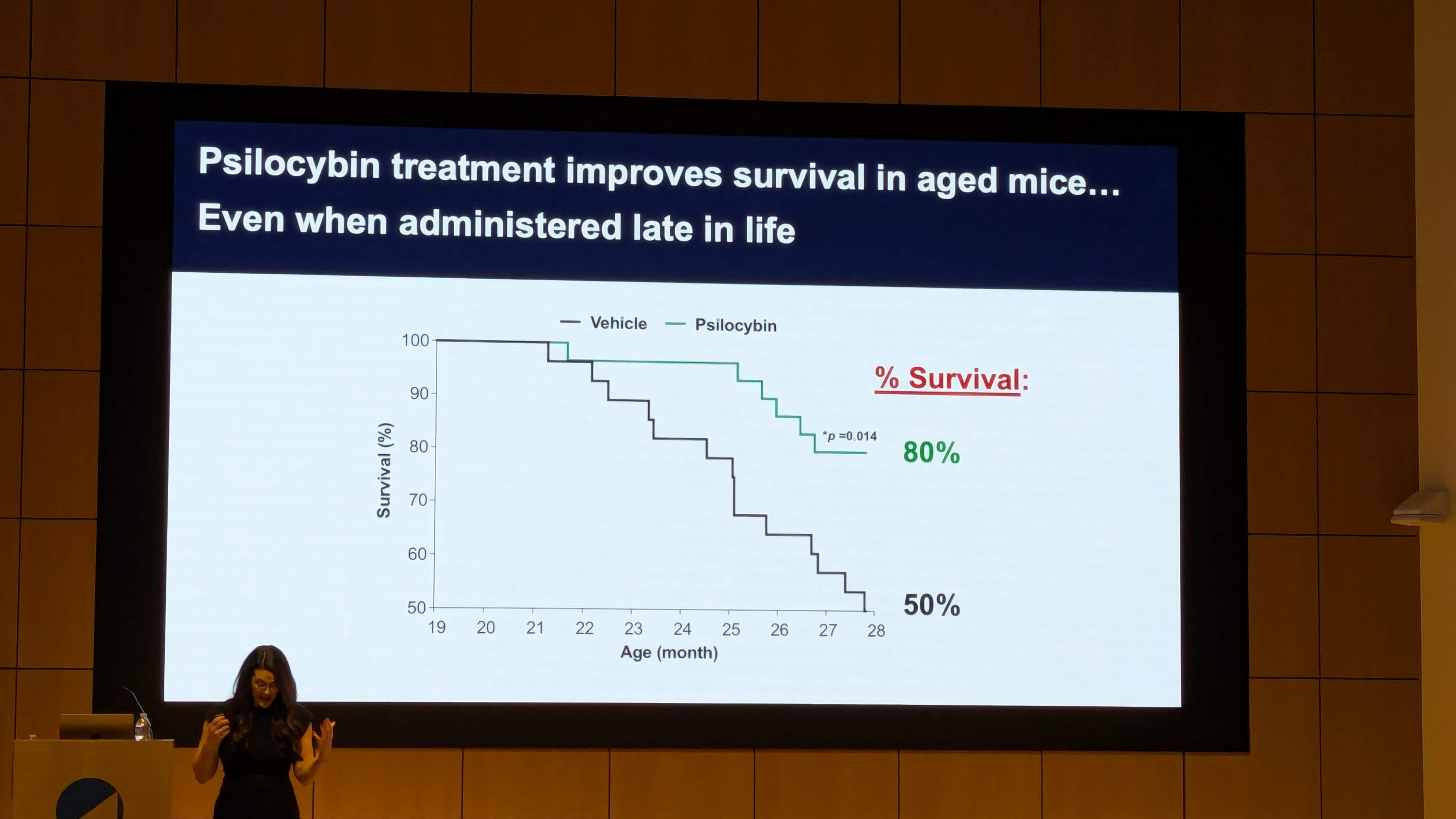
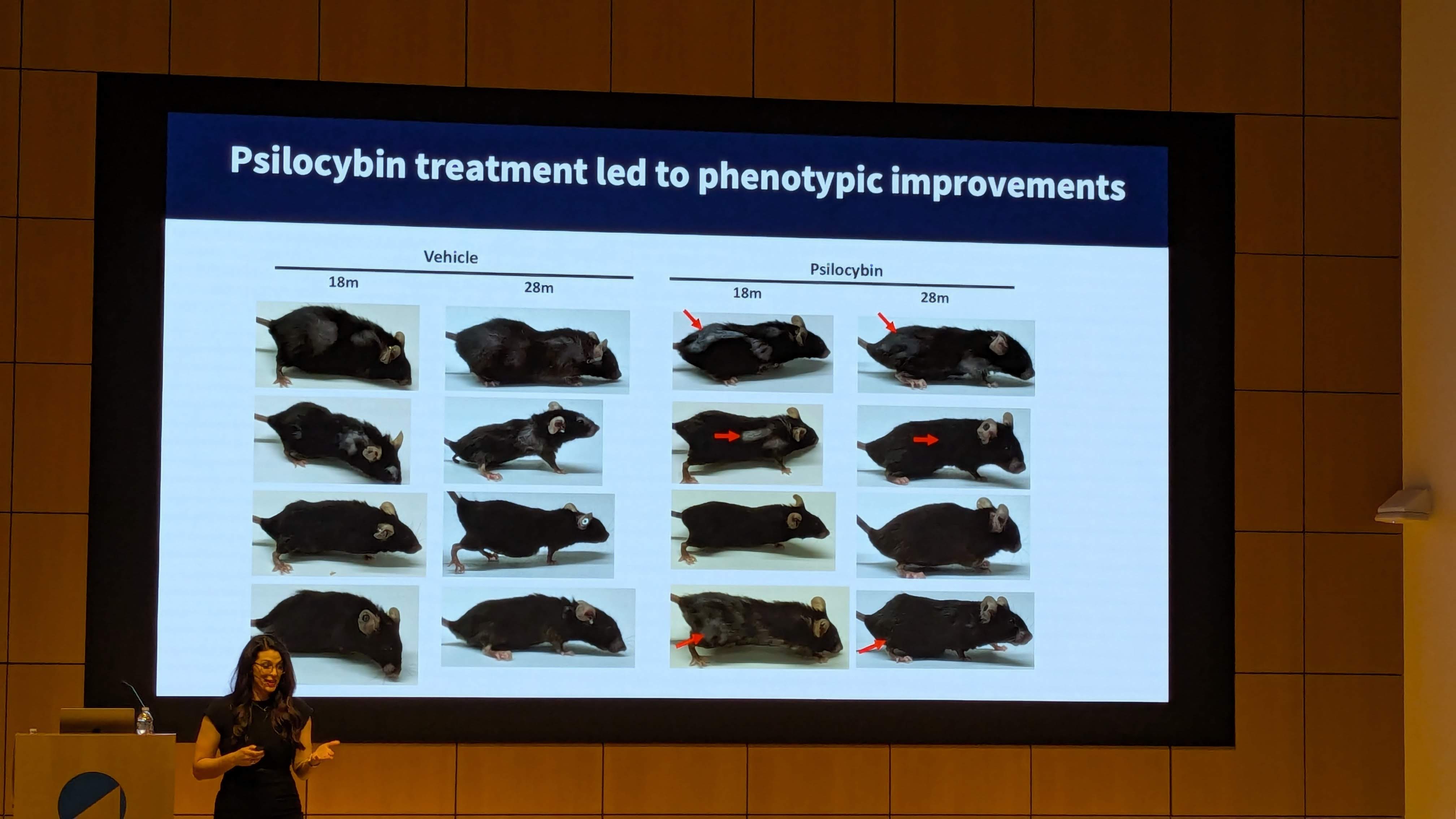
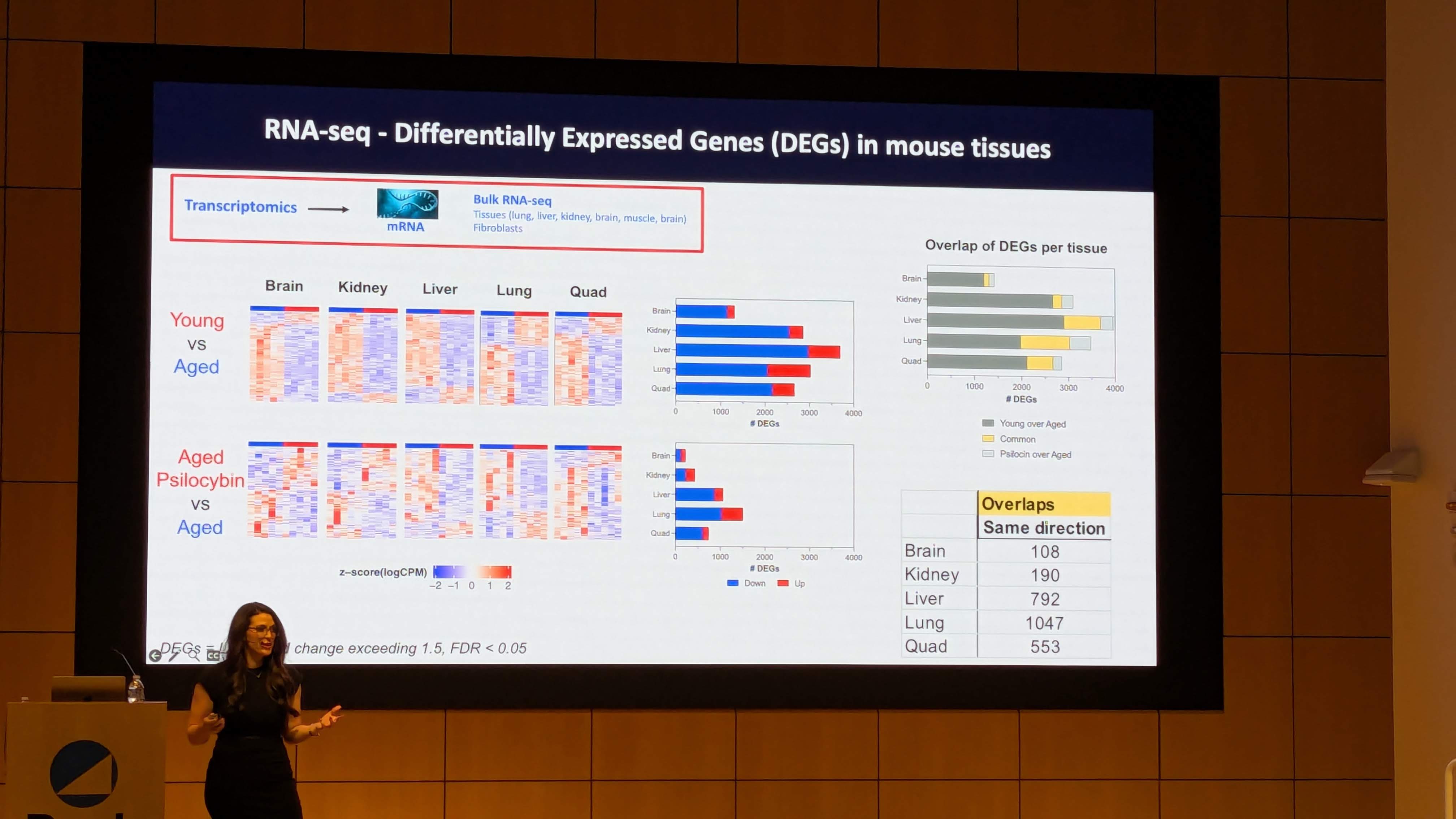
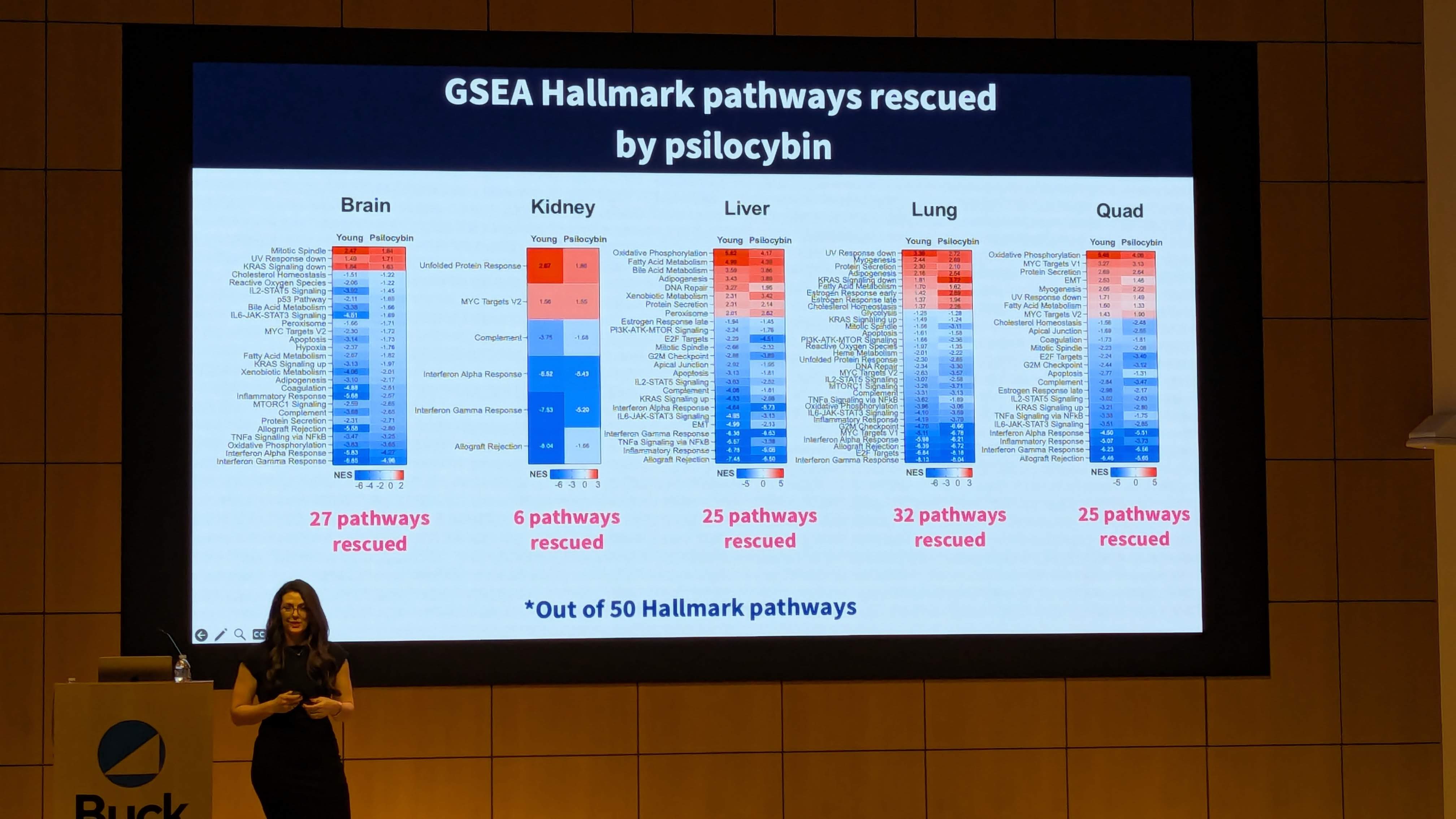
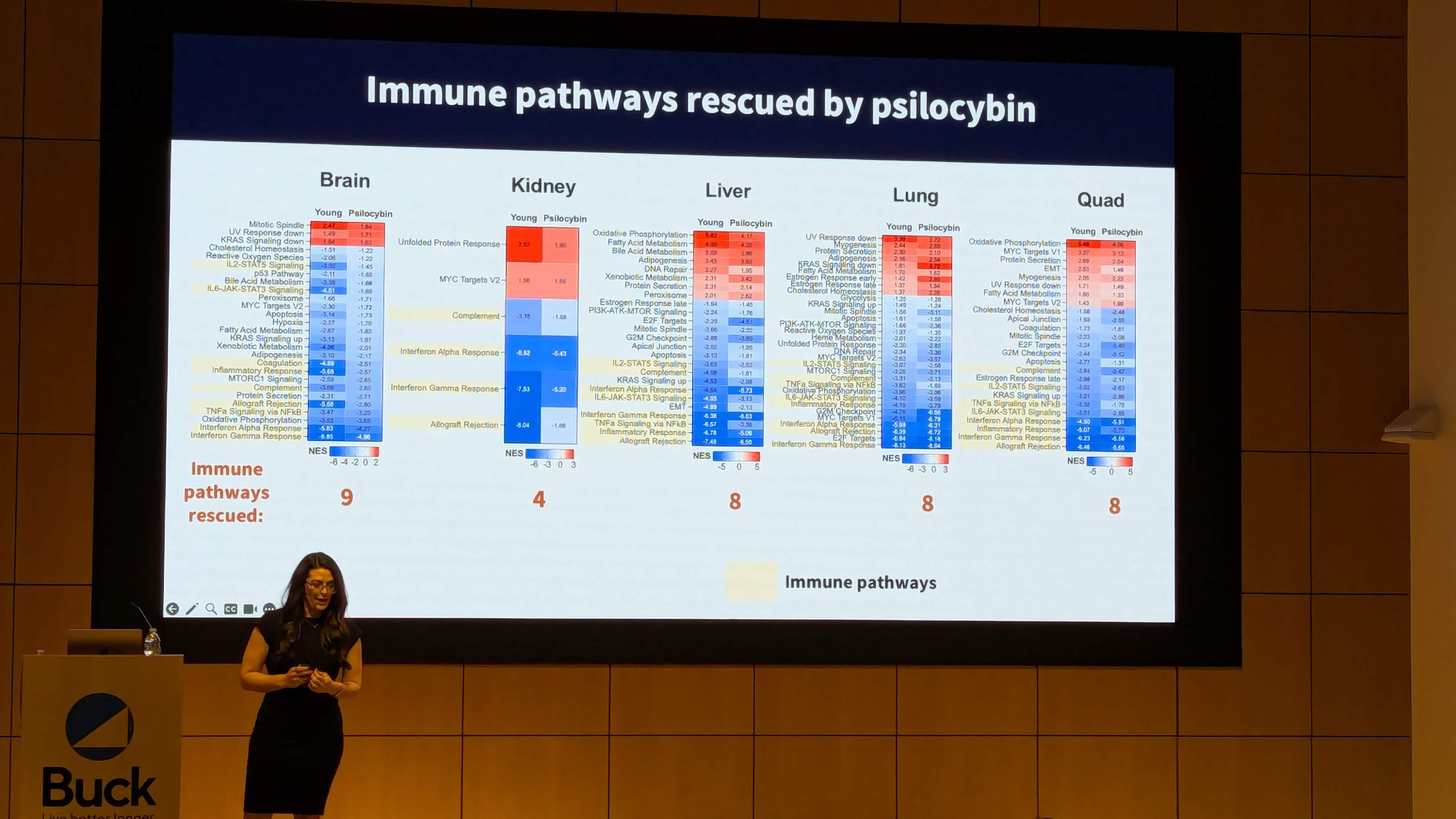
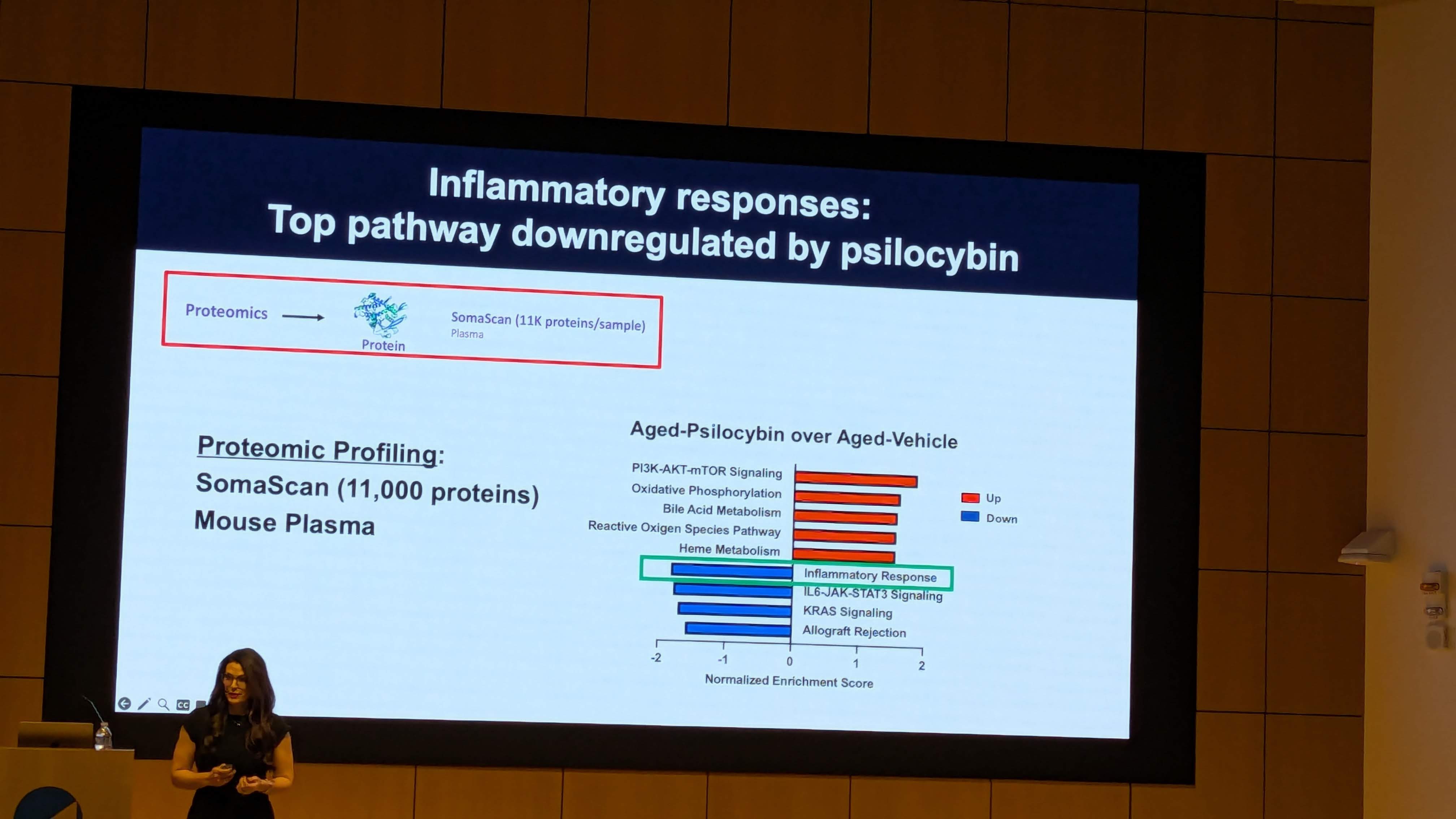
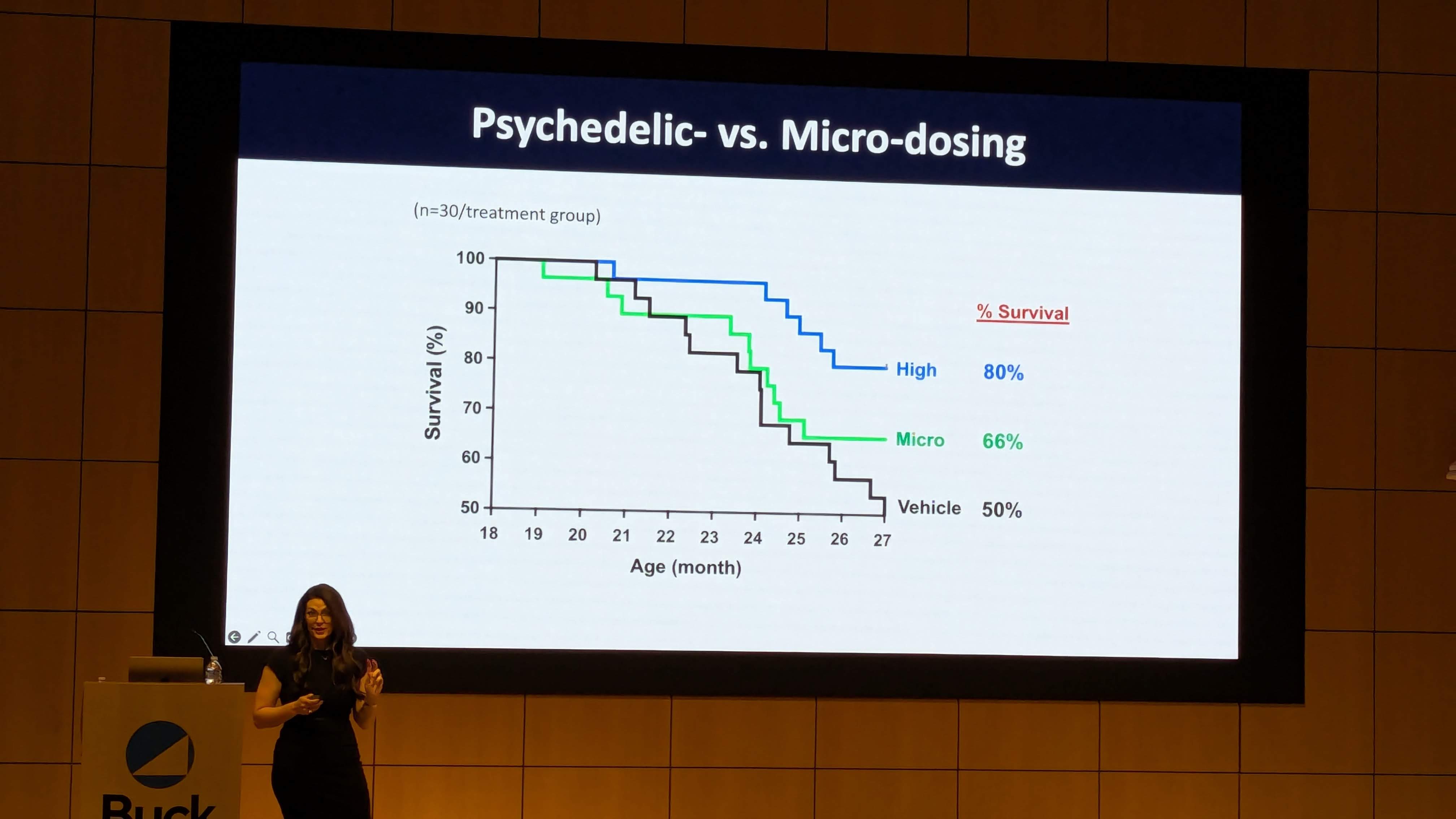
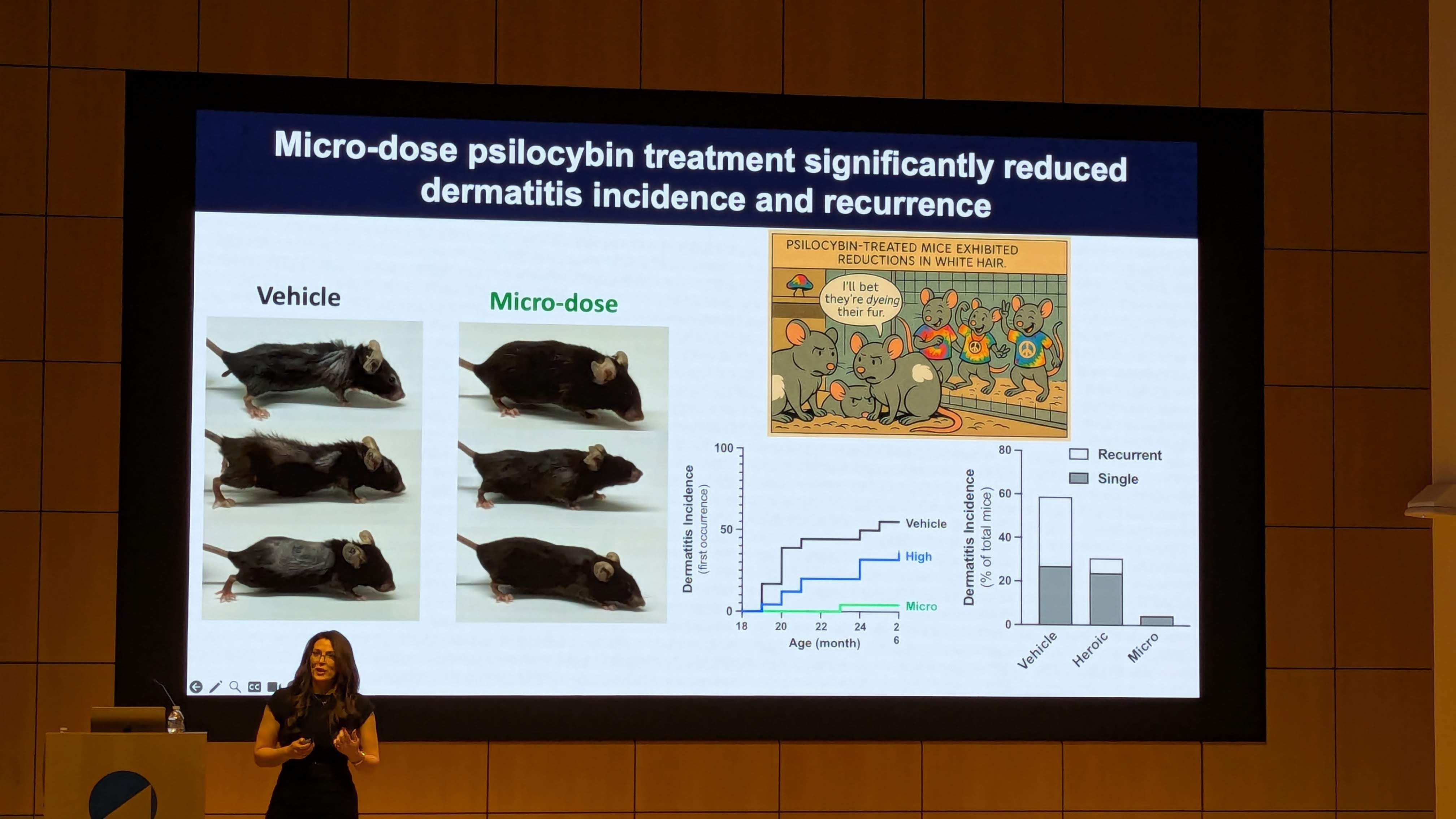
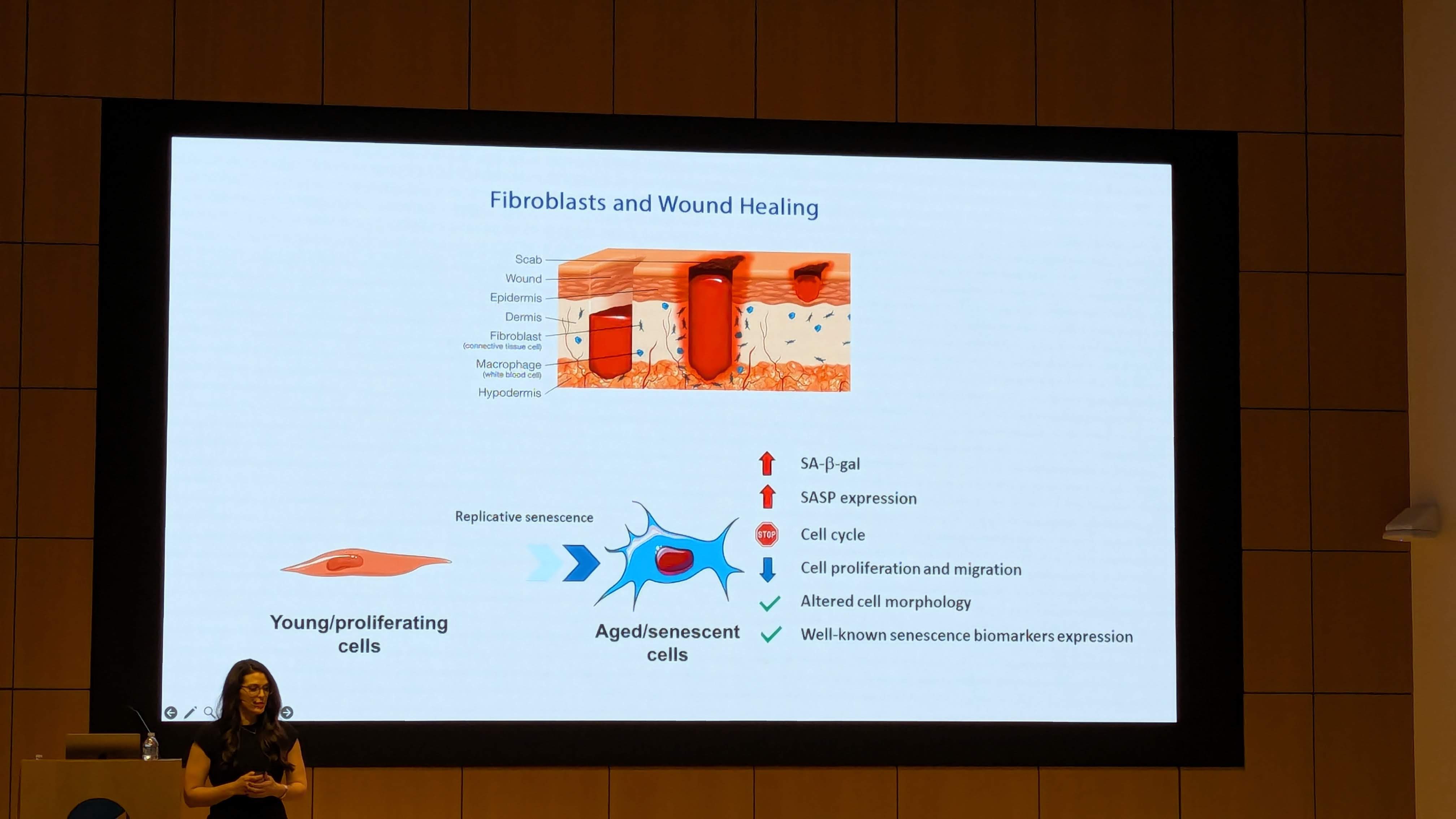
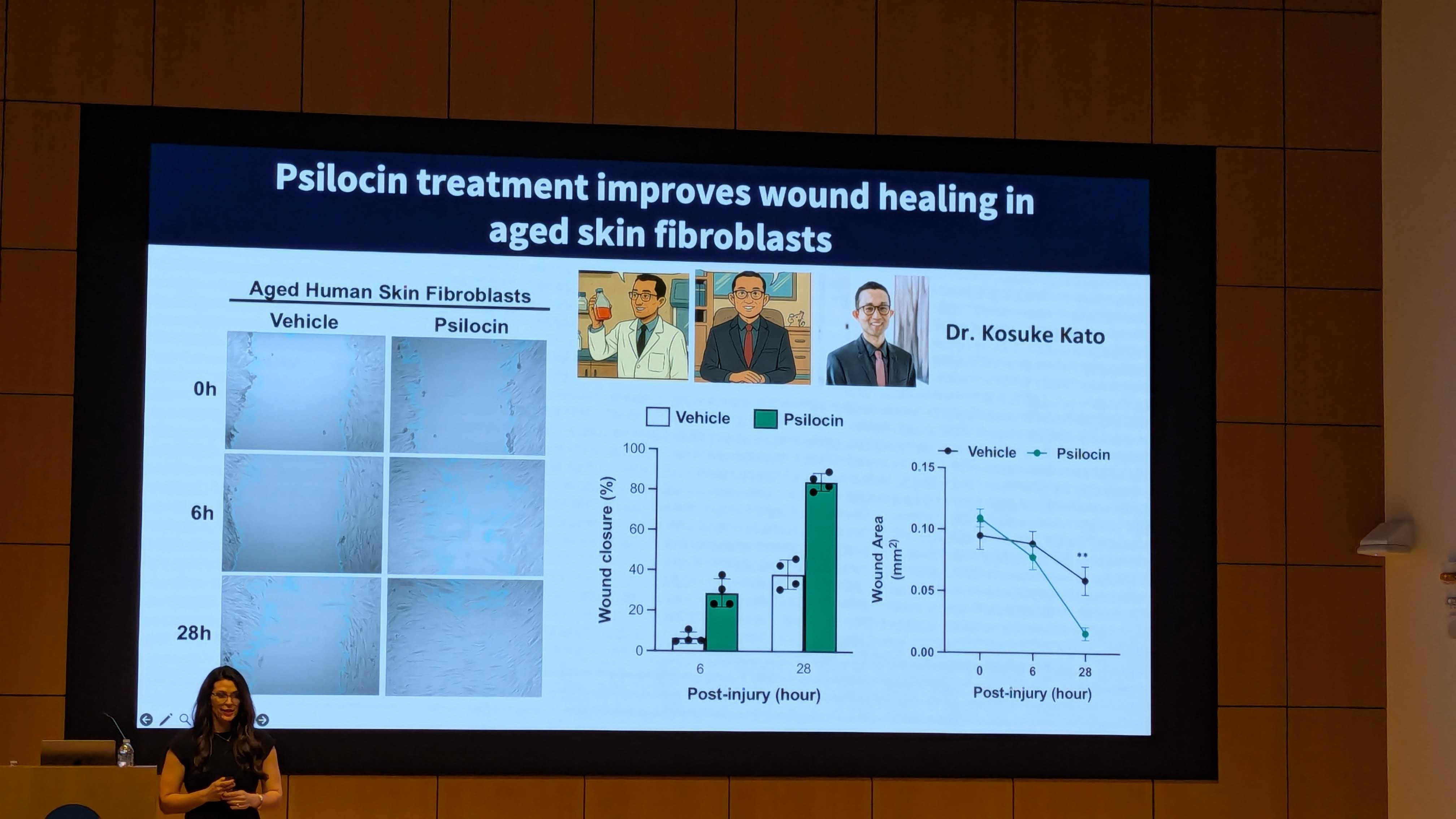
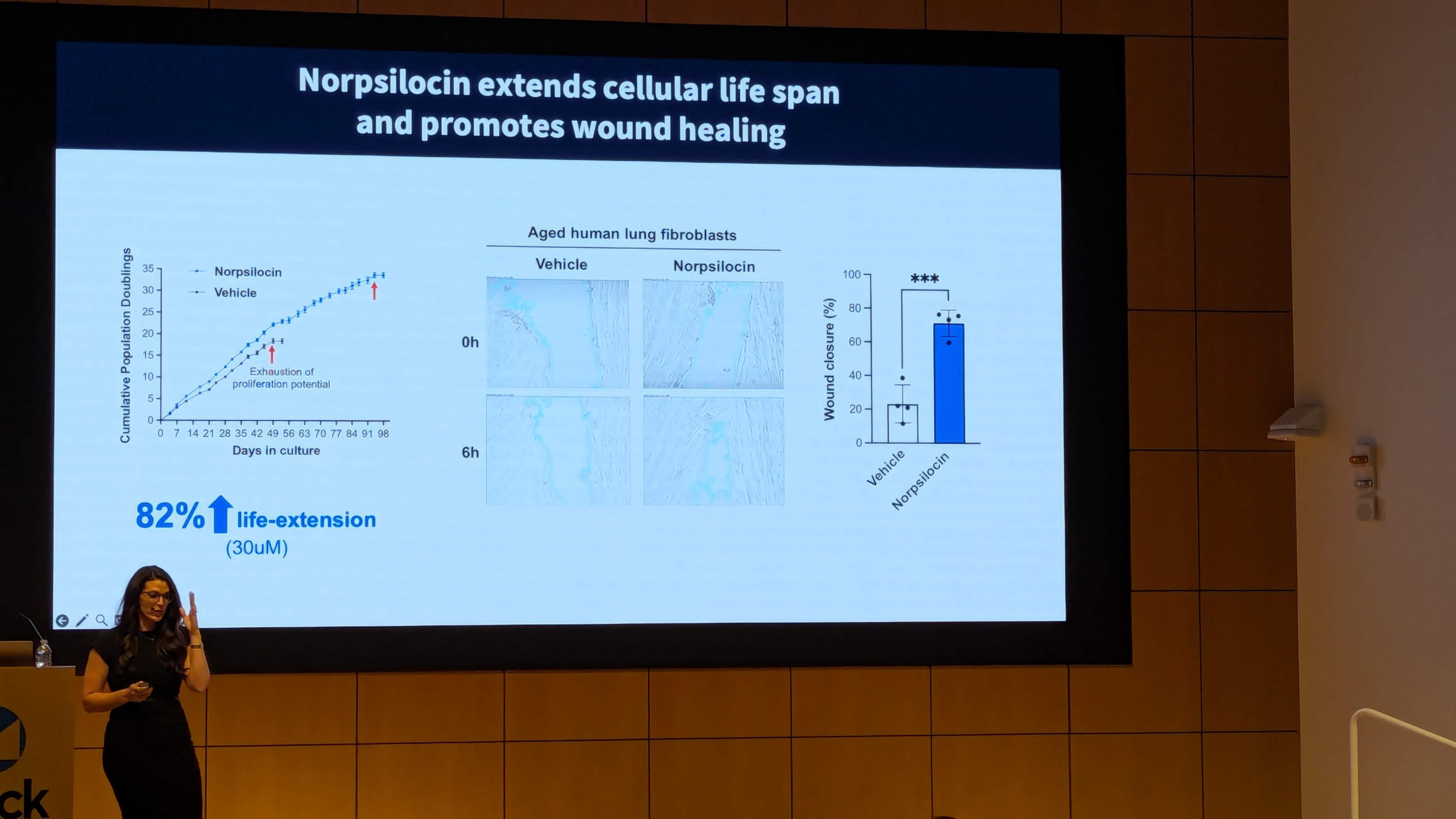
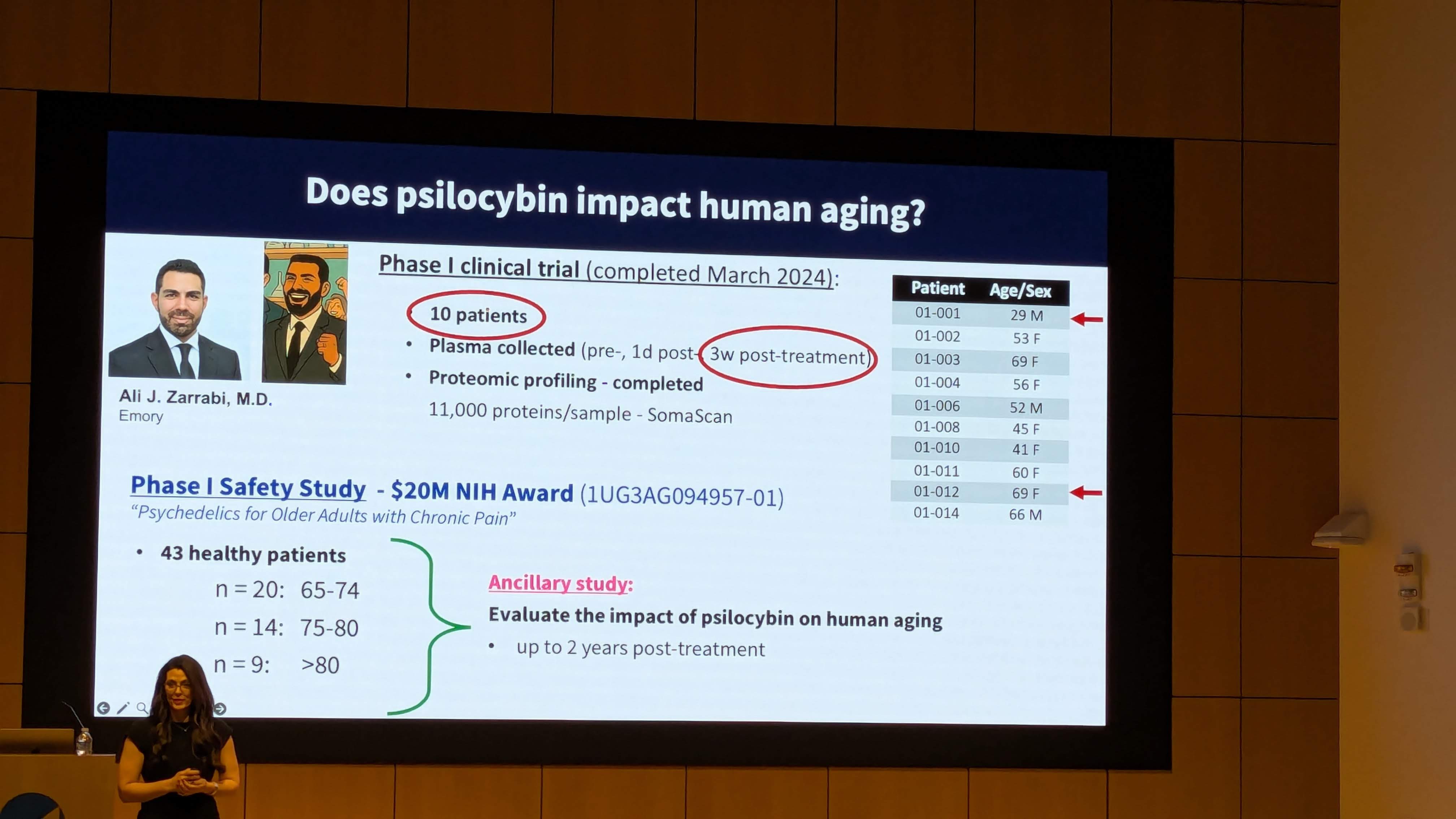
The central thesis of Hecker’s work is that psilocybin, traditionally categorized solely as a psychoplastogen for treating psychiatric disorders, exerts potent, systemic geroprotective effects that are distinct from its hallucinogenic properties. Through a rigorous series of in vitro and in vivo experiments, Hecker’s team at Baylor College of Medicine and Emory University has demonstrated that psilocin (the active metabolite of psilocybin) significantly extends replicative lifespan in human fibroblasts, decelerates the onset of cellular senescence, and extends median survival in aged mice by approximately 30%.1
This report synthesizes these findings with a broader corpus of independent research to propose a unified mechanistic framework. The analysis suggests that psilocybin functions as a master regulator of cellular stress resilience by simultaneously targeting three critical hallmarks of aging:
-
Redox Homeostasis: Downregulation of the pro-oxidant enzyme NADPH oxidase-4 (Nox4) and upregulation of the antioxidant transcription factor Nrf2.4
-
Mitochondrial Biogenesis: Activation of the SIRT1–PGC-1α axis, a pathway traditionally associated with caloric restriction and metabolic efficiency.5
-
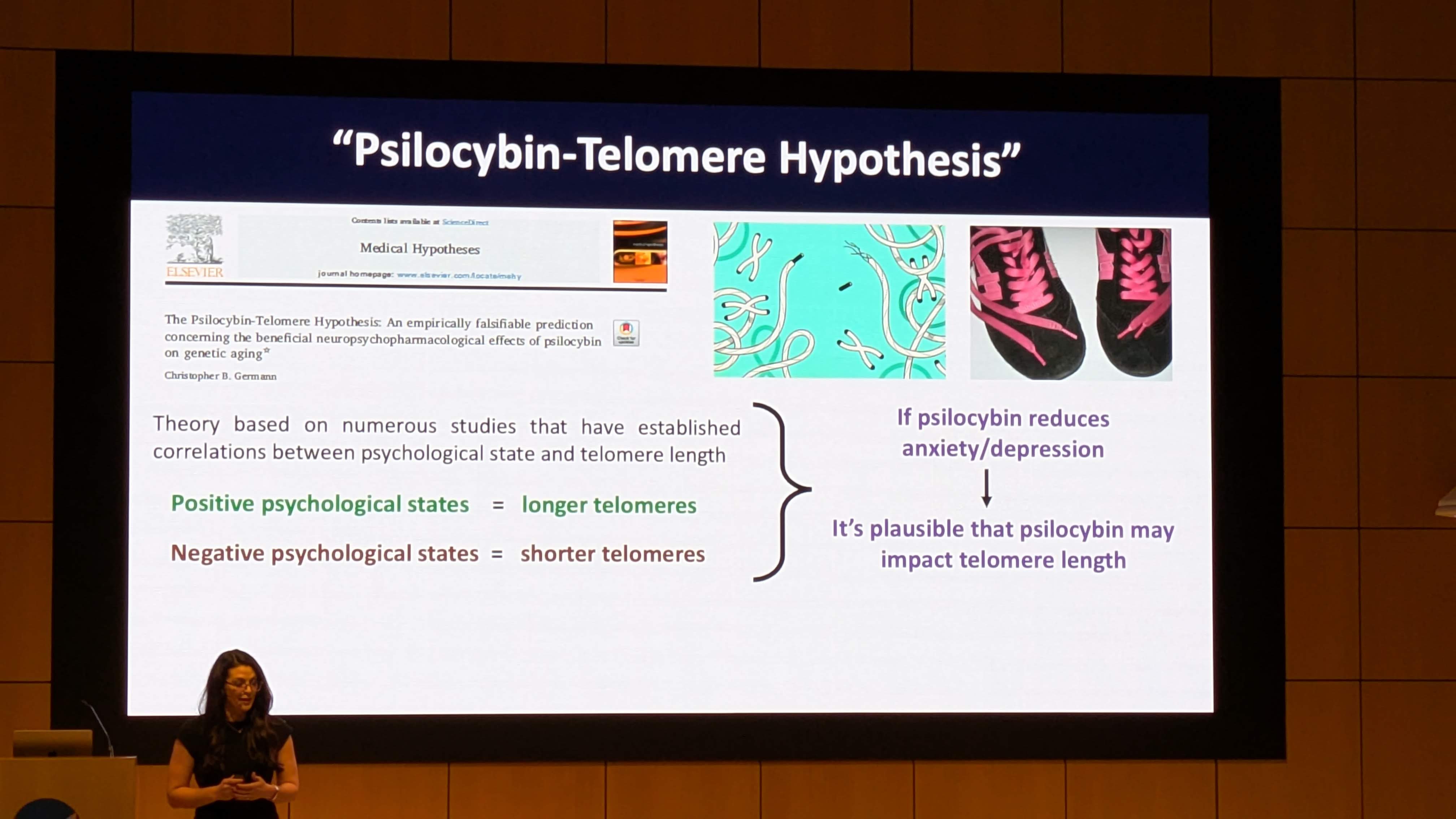
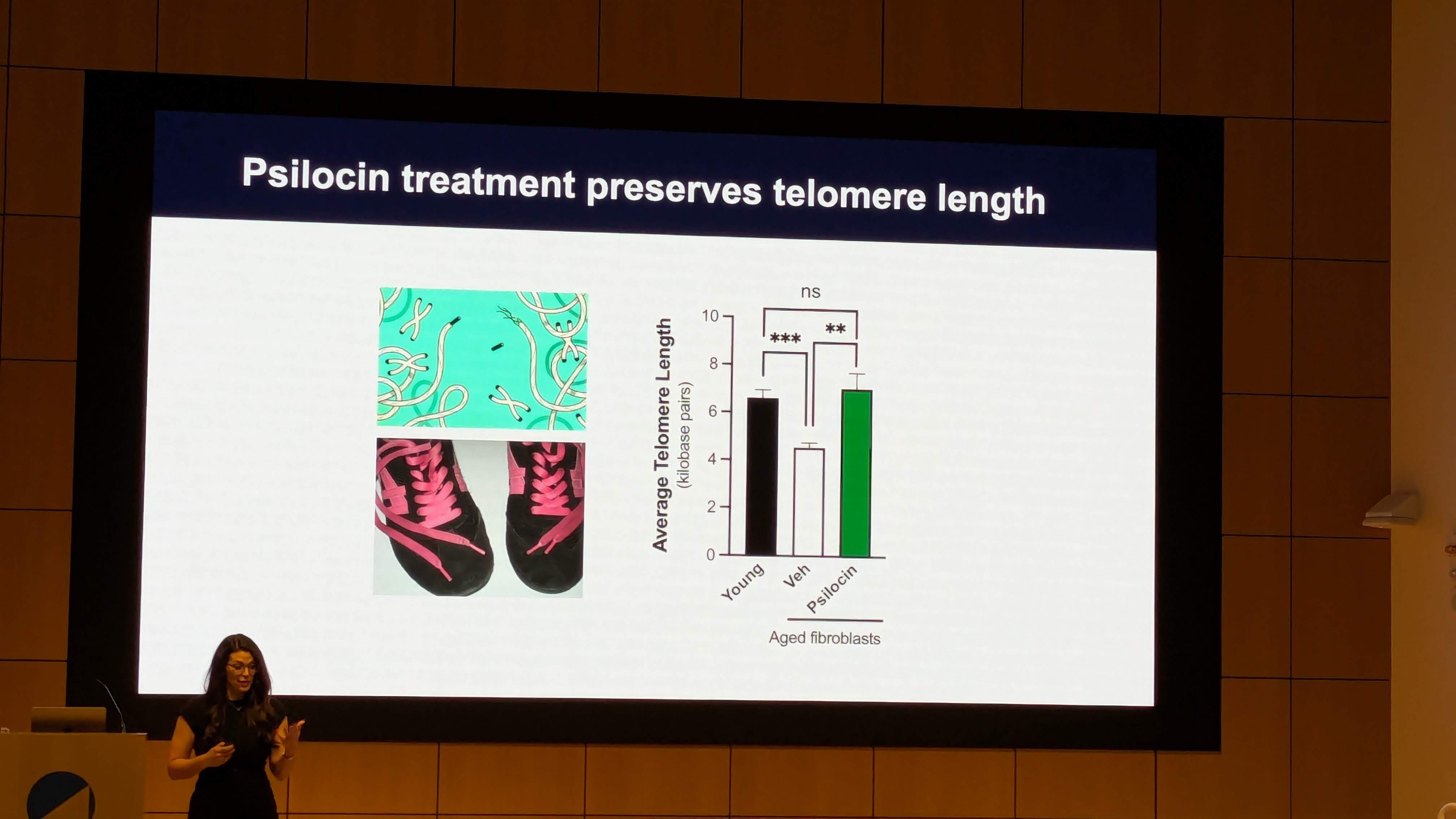
Genomic Stability: Preservation of telomere length and enhancement of DNA repair mechanisms.7
Furthermore, this document explores the translational implications of these discoveries, addressing the pharmacodynamics of “heroic” dosing regimens, the potential risks of cardiac fibrosis associated with chronic serotonergic activation, and the commercial landscape spearheaded by Hecker’s biotechnology venture, Fibronox. By integrating data from neurobiology, fibrosis research, and molecular geroscience, this report establishes a compelling case for the reclassification of psilocybin as a systemic therapeutic with the potential to fundamentally alter the trajectory of biological aging.
…
8.2 The Rise of Non-Hallucinogenic Analogs
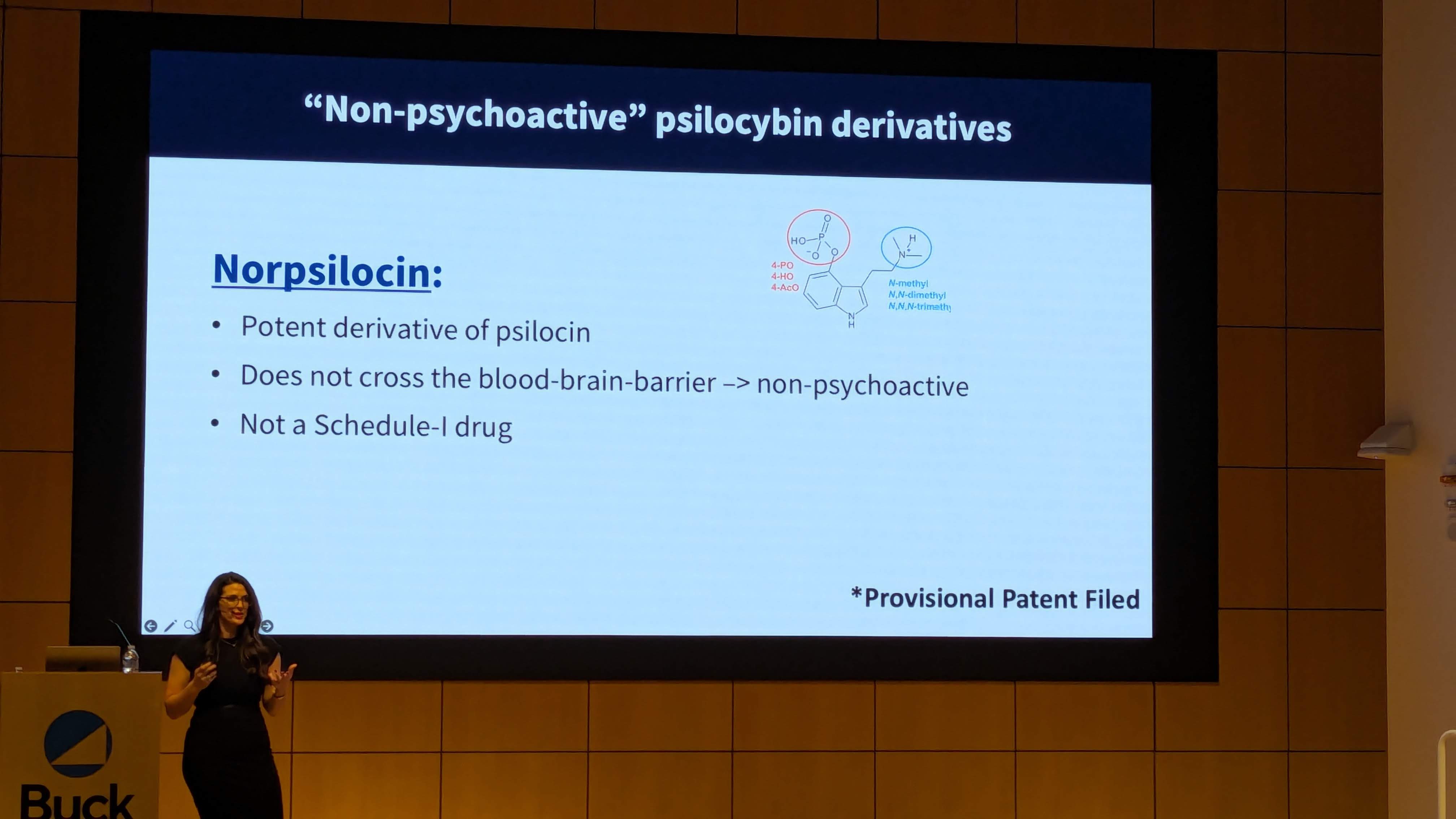
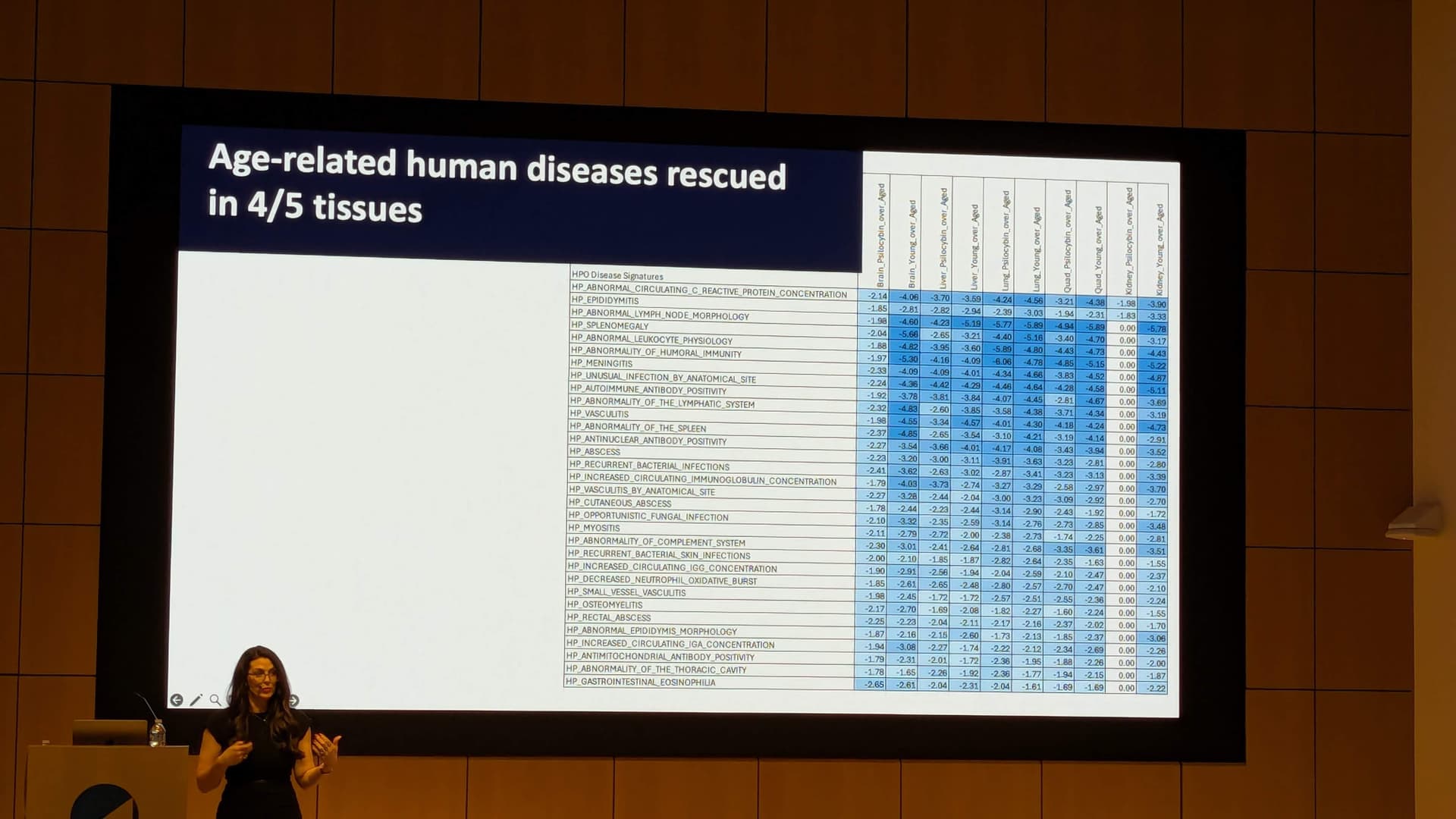
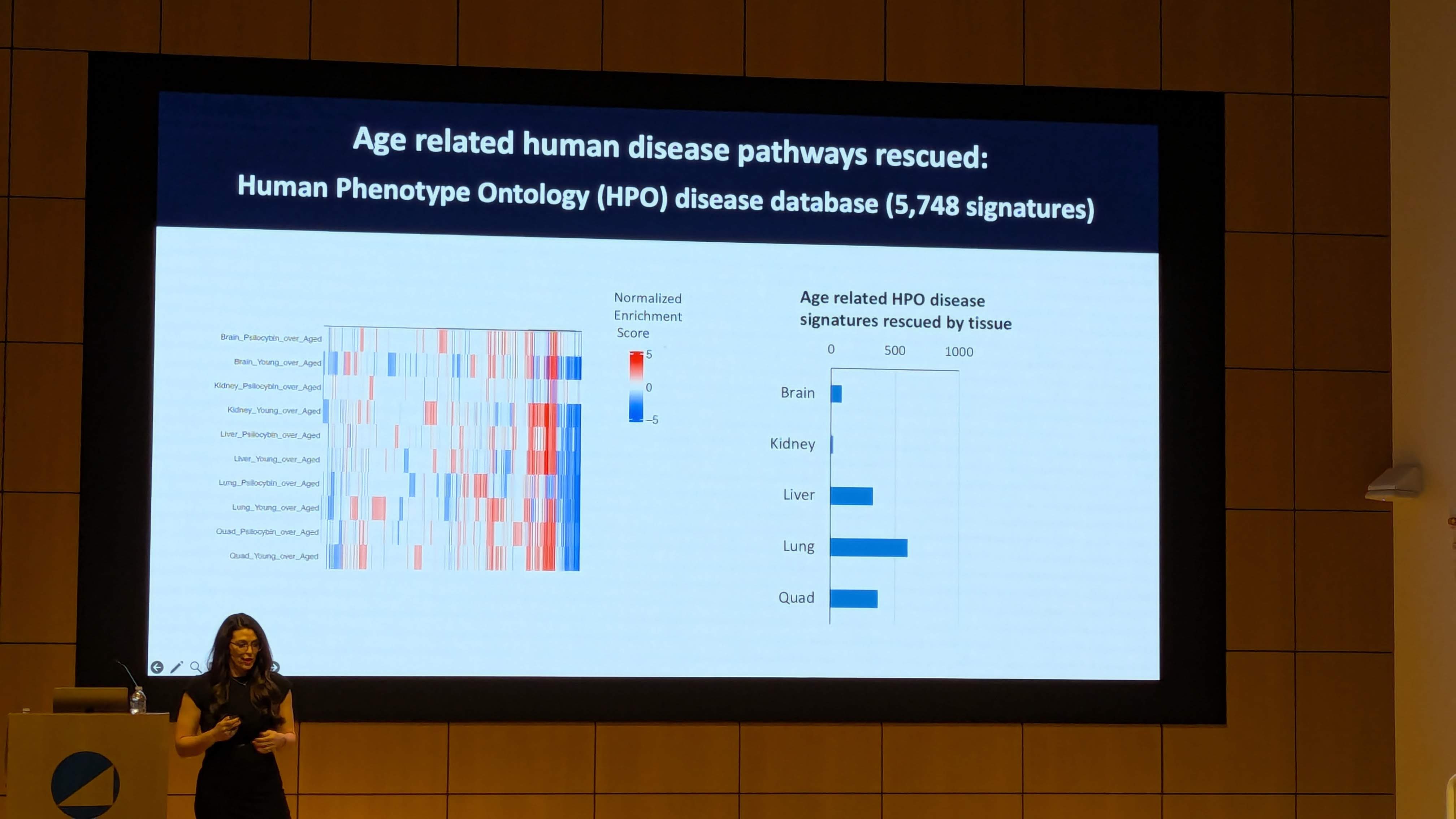
The validation of the 5-HT2A-Nox4-SIRT1 pathway suggests that the hallucinogenic experience may be dissociable from the physiological benefit.
-
Drug Design: Companies are now incentivized to develop “non-hallucinogenic psychoplastogens”—molecules that bind 5-HT2A to trigger Nrf2/SIRT1 signaling but do not engage the recruit the specific neuronal ensembles required for a “trip”.30 This would democratize the therapy, allowing daily or weekly use by the elderly without the need for guided sessions.
8.3 Clinical Applications
If validated, the implications are vast. Psilocybin could become a frontline treatment for:
-
Idiopathic Pulmonary Fibrosis (IPF): Targeting the Nox4 engine of scarring.31
-
Sarcopenia: Addressing the frailty and muscle loss observed in aging.
-
Prophylactic Geroscience: An intermittent intervention to slow the accumulation of biological age.
Table 1: Comparative Analysis of Psilocybin Effects on Aging Biomarkers
| Biomarker / Pathway |
Effect of Psilocybin/Psilocin (Hecker et al.) |
Mechanism / Downstream Effector |
Independent Validation |
| Cellular Lifespan |
Increased (+57%) |
Delayed replicative senescence; maintenance of proliferation. |
Kato et al. (2025) 3 |
| Telomere Length |
Preserved |
Prevention of attrition during division via ROS reduction. |
Germann (2019) (Hypothesis) 22 |
| SIRT1 Expression |
Upregulated |
Activation of longevity pathways; mitochondrial biogenesis. |
Vaidya et al. (2019) (Cortical Neurons) 5 |
| Nox4 (Oxidant) |
Downregulated |
Reduction of endogenous ROS production; anti-fibrotic. |
Hecker et al. (Prev. work on Fibrosis) 17 |
| Nrf2 (Antioxidant) |
Upregulated |
Enhanced antioxidant response element (ARE) activation. |
Pharmacological consensus on 5-HT2A anti-inflammatory effects 32 |
| Senescence Markers |
Reduced (p16, p21, SA-β-gal) |
Cell cycle regulation; maintenance of youthful phenotype. |
Kato et al. (2025) 4 |
| Organismal Survival |
Increased (+30% median) |
Systemic resilience; delayed frailty; improved coat quality. |
Kato et al. (2025) (Mice) 1 |
(Data sourced from Kato et al. 2025 and supporting independent literature analyzed in this report.)
Table 2: Dosing and Translation: The “Heroic” Gap
| Parameter |
Mouse Study (Kato et al.) |
Human Equivalent (Allometric Scaling) |
Standard Therapeutic Dose |
| Dose |
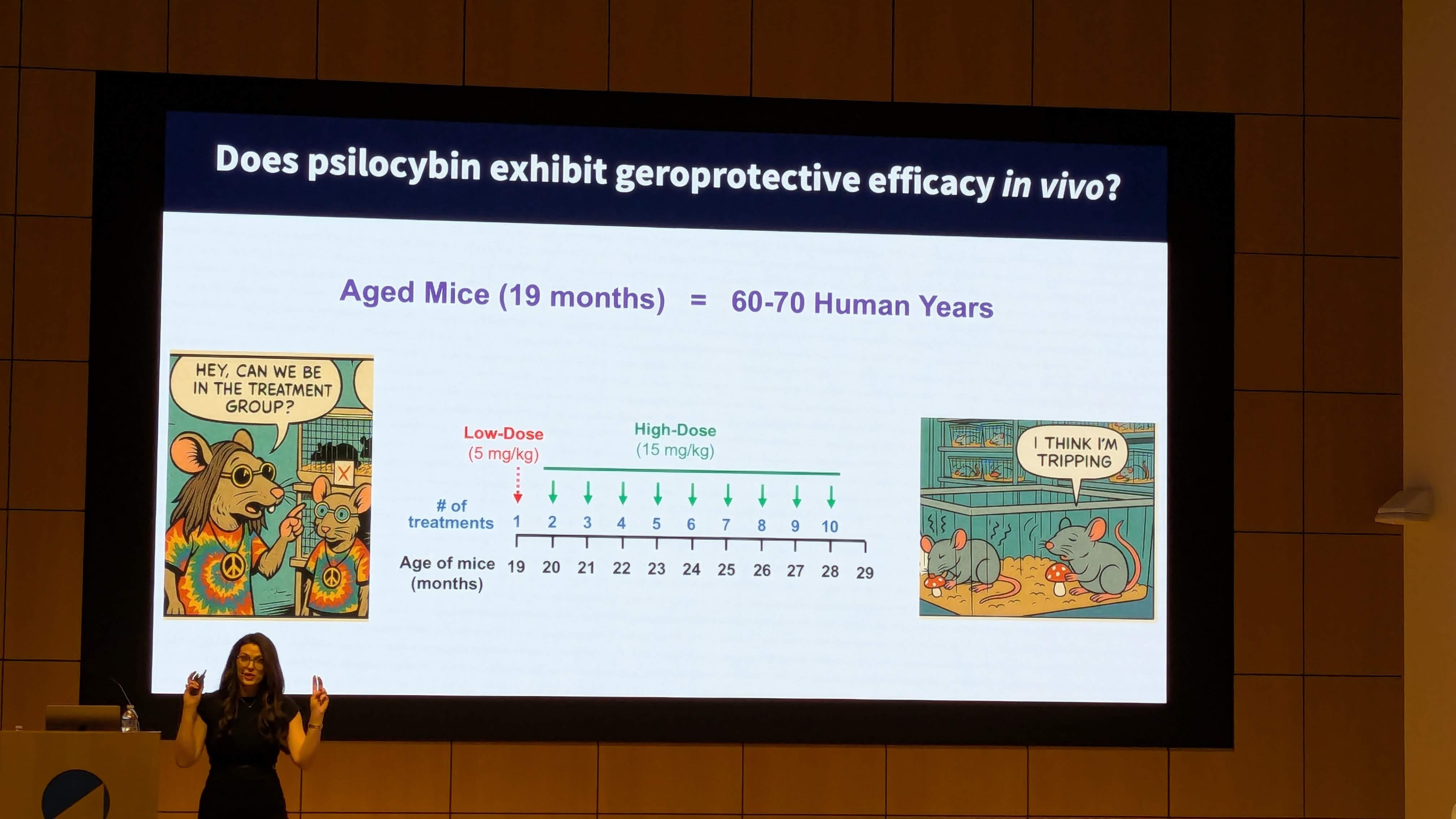
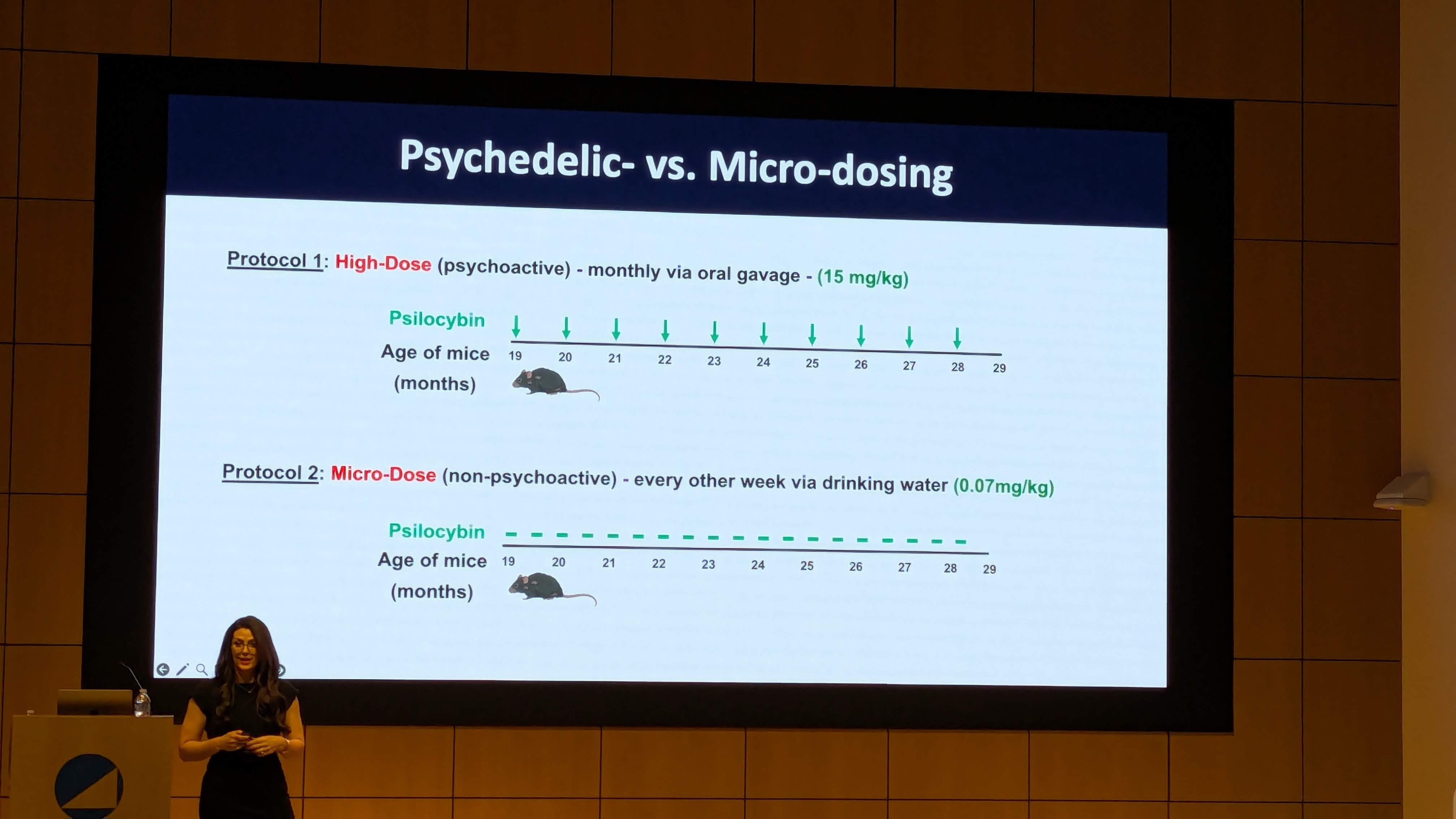
15 mg/kg |
~1.2 mg/kg |
0.3 - 0.4 mg/kg (25mg total) |
| Total Amt (70kg) |
N/A |
~84 mg |
25 mg |
| Frequency |
Monthly |
Monthly |
1-2 sessions total |
| Intensity |
Unknown (Rodent) |
Potentially Incapacitating |
High Psychedelic State |
| Safety Concern |
None observed |
Acute behavioral risk; 5-HT2B valvulopathy risk if chronic |
Well-tolerated in controlled settings |
(Note: Human equivalent calculated using standard FDA allometric scaling factors, dividing mouse dose by 12.3.)
Conclusion
The presentation ‘LHeckerPres.pdf’ and the associated research published in npj Aging represent a watershed moment in the convergence of psychedelic science and longevity research. By demonstrating that psilocybin can extend cellular and organismal lifespan through conserved molecular pathways—specifically the restoration of the Nox4/Nrf2 redox balance and the activation of the SIRT1-mitochondrial axis—Dr. Louise Hecker has reframed this substance from a tool of psychiatry to a potential pillar of physiological rejuvenation.
While the path to clinical application is complicated by dosing challenges and the need for sex-specific validation, the biological evidence offers a unified theory of health that bridges the gap between psychological stress, oxidative damage, and organismal lifespan. The data suggests that psilocybin confers resilience against the “wear and tear” of aging not merely by changing the mind, but by fundamentally rewiring the cell’s ability to repair itself. As research progresses, we may witness the emergence of psilocybin—and its non-hallucinogenic derivatives—as frontline geroprotectors, capable of reversing fibrosis and extending healthspan in an aging world.
For the full Google Gemini Analysis see: https://gemini.google.com/share/2882cb3126e7