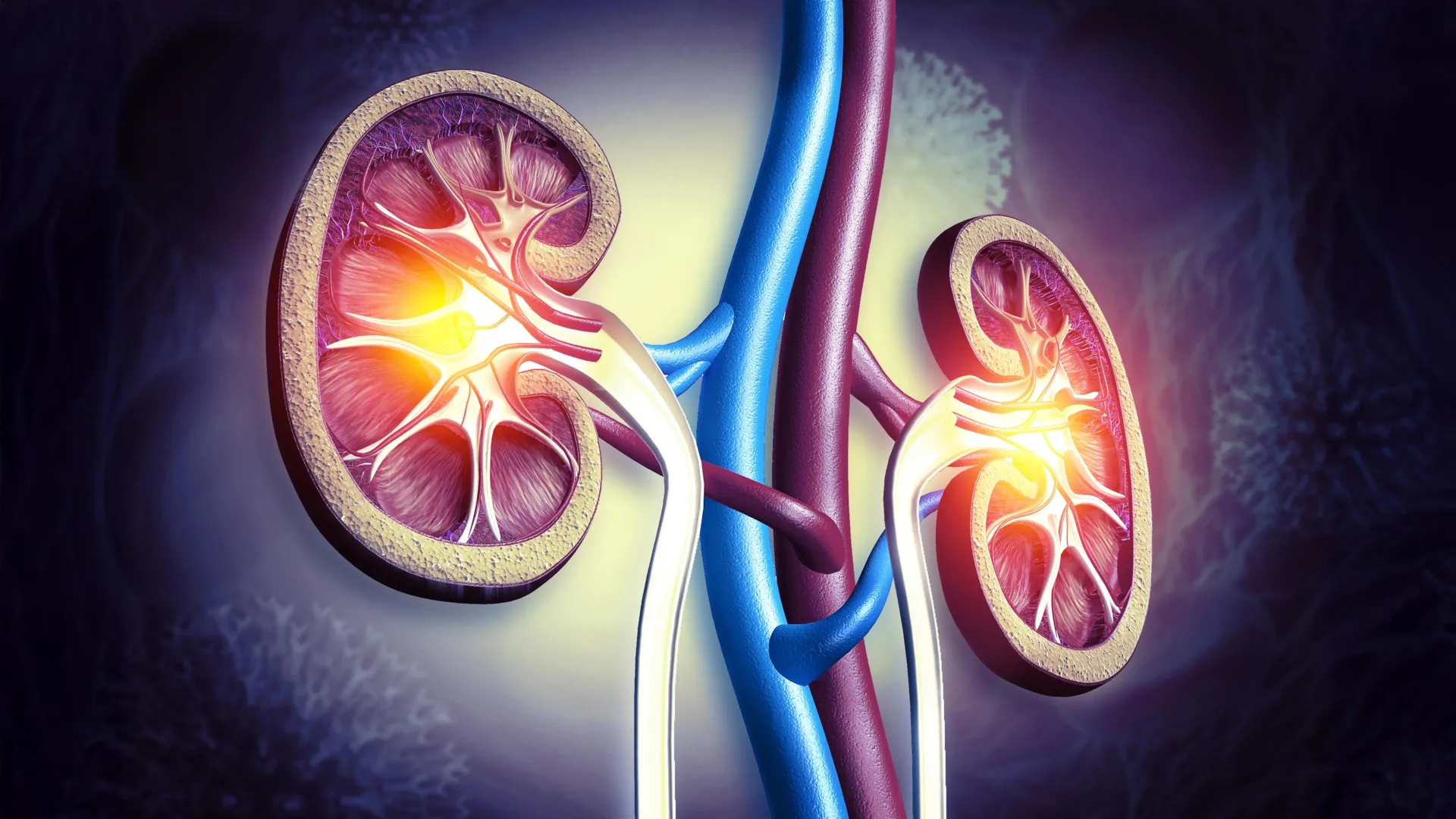
This truly is amazing. It may be applicable to various mitochondrial dysfunction disorders. This drug, lubiprostone, increases spermidine levels! Obviously, this is phase 2, so early days, but work is underway.
Lubiprostone in chronic kidney disease: Insights into mitochondrial function and polyamines from a randomized phase 2 clinical trial
https://www.science.org/doi/10.1126/sciadv.adw3934
“Chronic kidney disease (CKD) is a life-threatening condition, and constipation is a progressive risk factor. We evaluated changes in uremic toxins, renal function, and the safety of lubiprostone, a selective chloride channel activator, in patients with CKD. In this phase 2, randomized, double-blind, placebo-controlled trial across nine centers in Japan, 150 patients with stage IIIb–IV CKD received lubiprostone (8 or 16 micrograms) or placebo for 24 weeks. The primary end point was change in indoxyl sulfate levels. Secondary end points included other uremic toxins and renal function markers. Lubiprostone did not alter uremic toxin levels but improved or preserved estimated glomerular filtration rate and its slope in the 16-microgram group. Mild-to-moderate gastrointestinal events occurred in the placebo and 16-microgram groups. Multiomics analysis revealed that lubiprostone modulated the gut microbial agmatine pathway and increased spermidine levels, thereby improving renal mitochondrial function. Lubiprostone is a previously unknown and safe therapeutic option to mitigate renal decline in CKD.”
10 Likes
Tim
#2
It may not hurt to try a little spermidine supplementation.
3 Likes
L_H
#3
Very interesting, thanks for the post
My understanding is that lubiprostone lowers agmatine levels (by increasing its synthesis along the pathway to polyamines).
Agmatine has a direct beneficial affect on the microglia and has other neuroprotective properties. I wonder if supplementation with agmatine sulfate or even its precursor arginine would be sensible during the lubiprostone treatment.
Long-Term (5 Years), High Daily Dosage of Dietary Agmatine—Evidence of Safety: A Case Report
3 Likes
A pop-sci writeup of this story appears in a Science Daily article:
A common constipation drug shows a surprising ability to protect kidneys
Quote:
“The scientists also explored why the drug had this protective effect. They determined that lubiprostone boosts the production of spermidine, a compound that enhances mitochondrial activity by encouraging the growth of beneficial gut bacteria. Improved mitochondrial function was linked to a renoprotective effect that helped limit additional kidney damage.”
“Overall, the findings indicate that certain laxatives may help slow the progression of kidney deterioration. This concept could also open doors to new treatments for conditions involving mitochondrial dysfunction.”
One wonders whether microdosing lubiprostone might make sense just to boost spermidine production.
LaraPo
#5
It’s interesting but if one does not have constipation or dysbiosis it may not benefit and even contribute to diarrhea especially at that dose.
Nick1
#6
However, it highlights gut-kidney axis, gut-brain axis.Gut is the place where 90% of biomass resides and nearly 70% of immune army deployed!
1 Like