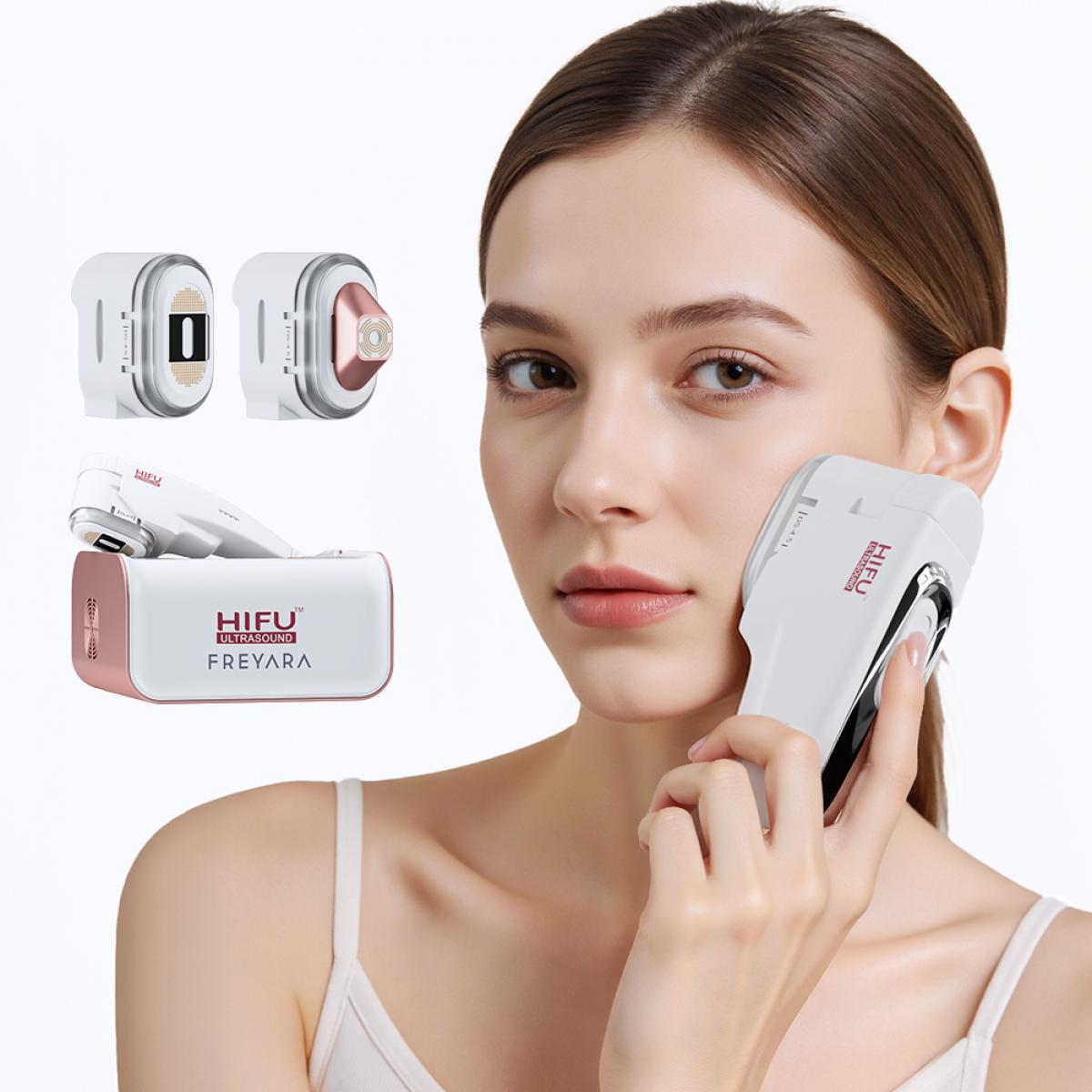
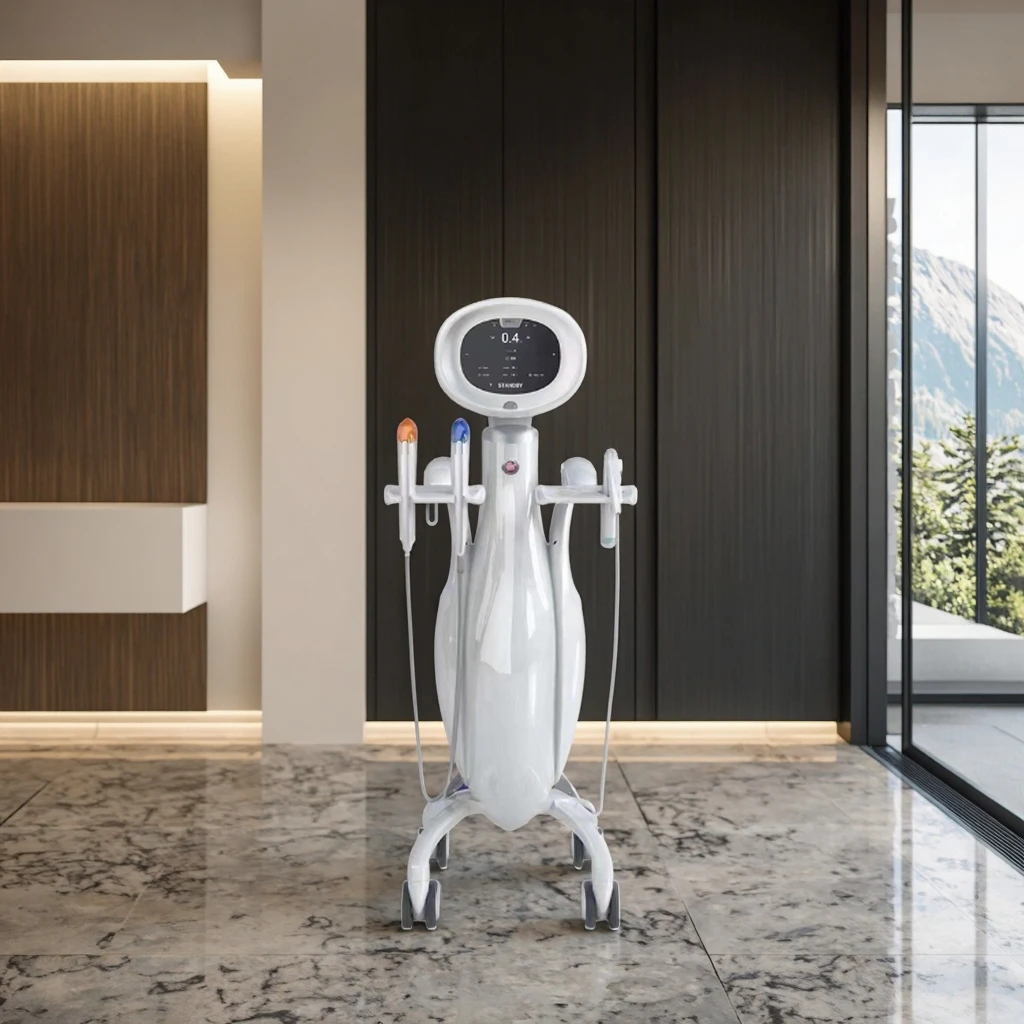
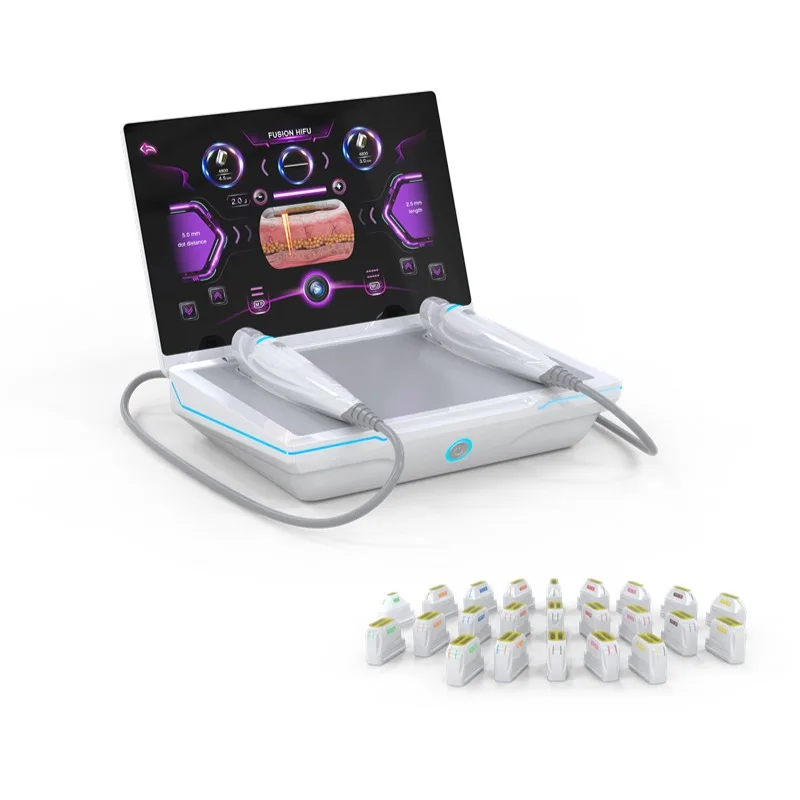
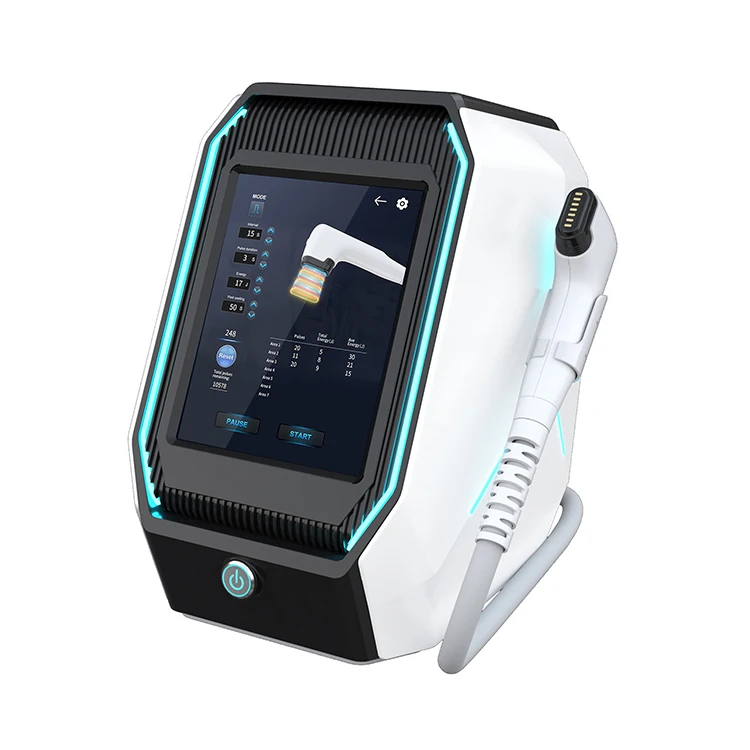
The longest part of the research was figuring out WHAT to research, what the options are of these devices, which one to settle on, etc. If you come with those things already settled for you and you just learning what the answers are, it’s a lot easier. There’s PDF manuals I have access to from SCRIBD from which I pulled those screenshots, with reference ranges of all the settings for each face and body area so that part is paint by numbers. The videos are for technique and an overview of which areas to avoid. The technique isn’t rocket science — you want to go flush against the skin, as perfectly perpendicular as possible, and as close as possible pointing down to the floor. This is a little tricky when you self administer so the best solution I have found is to have a long full body mirror face down, supported by two stools as pillars, so I can lie down under it and see myself looking up. It’s a bit cumbersome but if I am to use a ~$1800 device and spend 2 hours on a treatment, I want to do everything right for the best effect at each shot I administer.
You draw on your face with eyeliner to have a treatment grid to guide your cartridge placement. How that’s done is shown on certain very clear videos. Again it’s not artistic or free style drawing, merely separating your face into specific areas via a grid. Your cartridge can be used as a ruler.
Then you slather on ultrasound gel and begin treatment, holding the probe nice and steady and perpendicular so the cartridge can make good contact at every shot.
So it took me the longest to figure out WHAT I needed to figure out. Once I had the materials ready, I’d say the time to watch the videos or read the manuals is no more than 5-10 hours total. That’s how long it would take anyone here if they had my cliff notes.
About which device to use…
Yes HIFU is the underlying technology. But there are key variables.
First there’s the depth of penetration, with the original Ulthera having only a few options (though more or less sufficient for the face) and the new models having many, which gives you ultimate control. Each cartridge is for a different depth of penetration and in Chinese manufacturer jargon they call each a “dimension,” hence the 12D or 22D meaning that many levels of penetration.
Then there’s a question as to how small and close apart each point of thermocoagulation can be delivered. With Ulthera every point was big and far apart, and that was a function of processor sophistication and power. It was only possible to drop big bombs every so often so it was painful and caused a lot of heat damage at every shot, so not very efficient at collagen regeneration and remodeling. With the newer models it’s possible to deliver many smaller micro focused micro wounds at controllable distance from each other. They can be very close together. In fact it’s possible to deliver them so close together that what would be a dotted line of impact turns into a continuous line. That’s the “mpt” mode of treatment, and it produces superior lift.
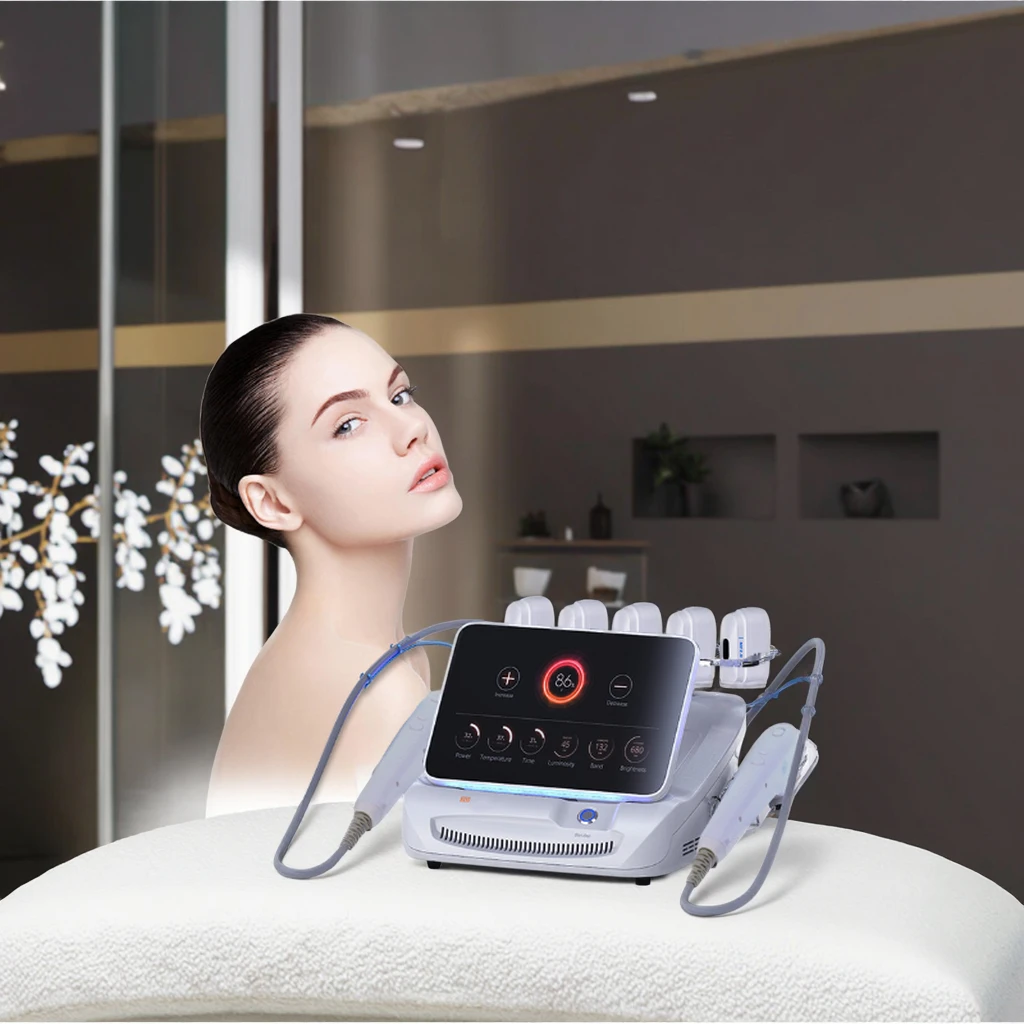
The last variable which is actually only available in the latest Chinese “dupe” models and in none of the ultrafomers themselves (though I bet it’s coming next year) is the ability to deliver not just a line, but a series of parallel lines at a precisely set distance from each other. If I could go back in time I would buy such a model, but I didn’t. It would make the application much much much easier. Right now I deliver a line (solid or dotted depending on the need) and then slowly drag my hand keeping the probe as parallel as I can, just a millimeter or two, before issuing the second line of shots. It’s not hard but requires excellent fine motor control and still can’t be 100% precise. If I’d gone with a different model it would have issued 5-6 lines or more for me in parallel, as far apart as I could have wished them.
Another piece of the official ultra former is the “booster” cartridge but that’s not very important, it’s a middle frequency ultrasound for more diffuse energy. My dupe doesn’t have it because I chose a different “add on” instead but you can purchase dupes that feature it.
So then it becomes a question of knowing which depths to use at which areas of the face, and what direction to go, exactly where not to go, etc. A few videos and the manual for reference make it all clear.
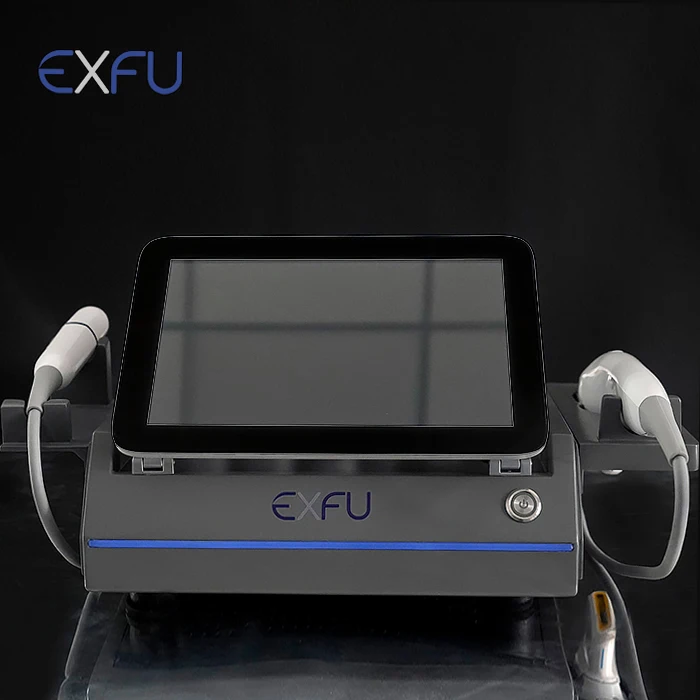
This is the machine I would recommend — watch the product video to see how it can shoot in a grid, and it even features radiofrequency output as well as HIFU: