North American Commercial Landscape of Salmon Milt Derived Nucleic Acid Supplements: Sourcing, Economics, and Stability Profiles
1. Introduction: The Emergence of Marine Nucleic Acids in North America
The North American dietary supplement market, historically dominated by vitamins, minerals, and botanical extracts, has witnessed the gradual but distinct emergence of marine-derived nucleic acid supplementation. Specifically, extracts derived from the milt (seminal fluid) of salmon species—commercially referred to as Salmon Milt Extract, DNA-Na (Sodium DNA), or simply Salmon DNA—have carved a niche within the functional ingredient sector. This report provides an exhaustive analysis of the commercial sources, economic structure, and stability profiles of these supplements available to North American consumers and industrial buyers.
While the consumption of salmon milt, known as shirako, is a centuries-old culinary tradition in Japan, its translation into the North American market is primarily nutraceutical rather than gastronomic. The market is driven by the specific biochemical properties of the milt, which is one of the richest natural sources of deoxyribonucleic acid (DNA) and protamines (arginine-rich nuclear proteins). In the context of North American commerce, this ingredient is rarely sold in its raw organ form for direct supplementation; rather, it is processed into highly refined, water-soluble extracts or standardized powders that are incorporated into capsules, functional beverages, and cosmetic ingestibles.
The commercial landscape is bifurcated. On one side exists a domestic sector comprising specialized practitioner-channel brands (e.g., Nutri-West) and direct-selling giants (e.g., Melaleuca) that have integrated salmon milt into broader health formulations. On the other side lies a robust, albeit decentralized, import market dominated by established Japanese manufacturers (e.g., Fordays, DHC) that penetrate the North American market through cross-border e-commerce logistics. This report dissects these supply chains, analyzes the cost-benefit ratios of various sourcing options, and evaluates the technical specifications regarding shelf-life and stability that are critical for informed procurement.
1.1 Biological and Commercial Definition
To understand the commercial positioning of these products, one must first define the biological asset. Salmon milt is the seminal fluid of male salmon, typically harvested from Oncorhynchus keta (Chum Salmon), Oncorhynchus kisutch (Coho Salmon), or Salmo salar (Atlantic Salmon). In the fishing industry, particularly in the Pacific Northwest and Alaska, milt was historically considered a low-value by-product compared to the high-value female roe (sujiko or ikura) and the muscle meat fillets.
However, the “waste-to-value” economic model has transformed this by-product into a premium functional ingredient. The commercial extracts found in North American supplements are characterized by specific molecular standardizations:
-
High-Molecular Weight DNA: Often appearing on labels as “DNA-Na” (Sodium DNA) or “Salmon Milt Extract.” This is the primary bioactive component sought for its purported ability to support the body’s nucleotide salvage pathways.
-
Protamines: These are small, arginine-rich nuclear proteins that replace histones during the spermatogenesis of the fish. In commercial applications, protamines are valued for their stability, antimicrobial properties, and potential carrier functions for other molecules.
-
Nucleoproteins: These complexes of nucleic acids and proteins are marketed for their enhanced bioavailability compared to isolated synthetic nucleotides.
2. Domestic North American Commercial Sources (B2C)
For consumers and practitioners located in the United States and Canada, the most accessible sources of salmon milt supplements are those manufactured domestically or distributed through established direct-selling networks. These sources offer the advantage of regulatory compliance with FDA or Health Canada standards, transparent labeling, and reliable domestic shipping.
2.1 Melaleuca: The Wellness Company
Melaleuca, a major North American manufacturer based in Idaho, represents one of the most significant volume movers of salmon milt extract in the direct-to-consumer space. Their approach to the ingredient is distinct in its formulation and delivery system.
2.1.1 Product Profile: DNA Plus
-
Formulation: The product, branded as DNA Plus (and in some markets previously as NutraGene), is available as a functional liquid drink and a jelly format. The choice of a liquid matrix is significant; it allows for the delivery of a massive payload of extract that would be impractical in capsule form.2
-
Source Material: The label explicitly identifies the source as “Natural Salmon Milt Extract.”
-
Concentration Claims: Melaleuca’s marketing is aggressive regarding potency. The product documentation highlights a dosage of 15,000 mg of salmon milt extract per unit (referring to the total content of the 500ml bottle or specific high-concentration bundles). Crucially, the extract itself is standardized to a DNA concentration of 90%.2 This suggests a total potential DNA load of 13,500 mg per bottle, a figure that dwarfs standard capsule supplements which typically contain 100-300 mg per dose.
-
Synergistic Ingredients: To complement the DNA (Deoxyribonucleic Acid), the formulation includes 1,500 mg of brewer’s yeast extract standardized to 85% RNA (Ribonucleic Acid). This dual-nucleic acid approach aims to cover both essential types of genetic material. Additionally, the formula is fortified with GABA (Gamma-Aminobutyric Acid) and Zinc, positioning it as a comprehensive metabolic and relaxation aid.2
2.1.2 Purchasing and Logistics
-
Channel: Melaleuca operates as a closed-loop direct sales manufacturer. Products are not available in standard retail outlets like GNC or CVS. Purchase requires a membership, or purchase through a member.
-
Cost Structure: The pricing model is tiered to incentivize membership:
-
Member Price: Approximately $45.00 - $80.90 USD, depending on the specific bundle (e.g., Twin Packs) and regional promotions.
-
Non-Member Price: Approximately $64.50 - $115.60 USD.2
-
Economic Analysis: While the absolute price point is high, the cost per milligram of DNA is arguably one of the lowest in the market due to the sheer volume of extract provided. At a member price of ~$45.00 for 15,000 mg of extract, the cost is roughly $0.003 per mg of extract. Compare this to capsule brands which may charge $40 for only 18,000 mg total extract (60 caps x 300mg), Melaleuca offers a bulk-buying efficiency disguised as a premium wellness drink.
2.2 Nutri-West: The Practitioner’s Choice
Nutri-West, a US-based manufacturer founded in 1929, dominates the professional health care practitioner market (chiropractors, naturopaths, functional medicine doctors). Their approach to salmon milt is deeply rooted in the American naturopathic tradition of “glandular” therapy, where organ extracts are used to support the corresponding organs in the patient.
2.2.1 Product Profile: RNA-DNA Plus
-
Formulation: Tablet.
-
Source Material: The product label is exemplary in its transparency, listing “Deoxyribonucleic Acid (DNA)” in the proprietary blend and explicitly stating “Contains Fish (salmon)” in the allergen warning.4 This distinguishes it from competitors who might use vague terms like “marine bio-complex.”
-
Composition: The proprietary blend (286 mg per tablet) is a complex matrix. It includes:
- Ribonucleic Acid (RNA) from yeast.
- Deoxyribonucleic Acid (DNA) from salmon.
- Bovine Glandulars: Adrenal, Trachea, and Parotid extracts.
- Amino Acids: DL-Methionine and L-Glutamine.
-
Therapeutic Positioning: Unlike the “anti-aging” focus of consumer brands, Nutri-West positions this product for immune system support and tissue repair, leveraging the synergy between the nucleic acids and the glandular support.4
2.2.2 Purchasing and Logistics
-
Channel: Technically a “professional-only” brand, Nutri-West products are sold through licensed practitioners. However, the digital marketplace has opened access, with authorized distributors selling directly to consumers via platforms like NHC.com, PureFormulas, and specialized chiropractic supply sites.6
-
Cost: The typical retail price for a bottle of 60 tablets is approximately $40.80 USD.6
-
Dosage: The suggested usage is often 1 tablet daily, meaning a single bottle provides a two-month supply.
-
Economic Analysis: At ~$0.68 per day, Nutri-West represents a mid-range option. It does not offer the massive DNA load of Melaleuca, but it offers a targeted, multi-ingredient complex backed by clinical use in the US practitioner network.
2.3 Herb-e-Concept: The Canadian Alternative (Herring Milt)
While the user query specifies “Salmon Milt,” no exhaustive report on the North American market would be complete without addressing Herring Milt, which serves as the primary functional equivalent in Canada and increasingly the US. The biological profile of herring milt (from Clupea harengus) is nearly identical to salmon milt in terms of DNA and protamine content, and the two are often interchangeable in the “marine DNA” category.
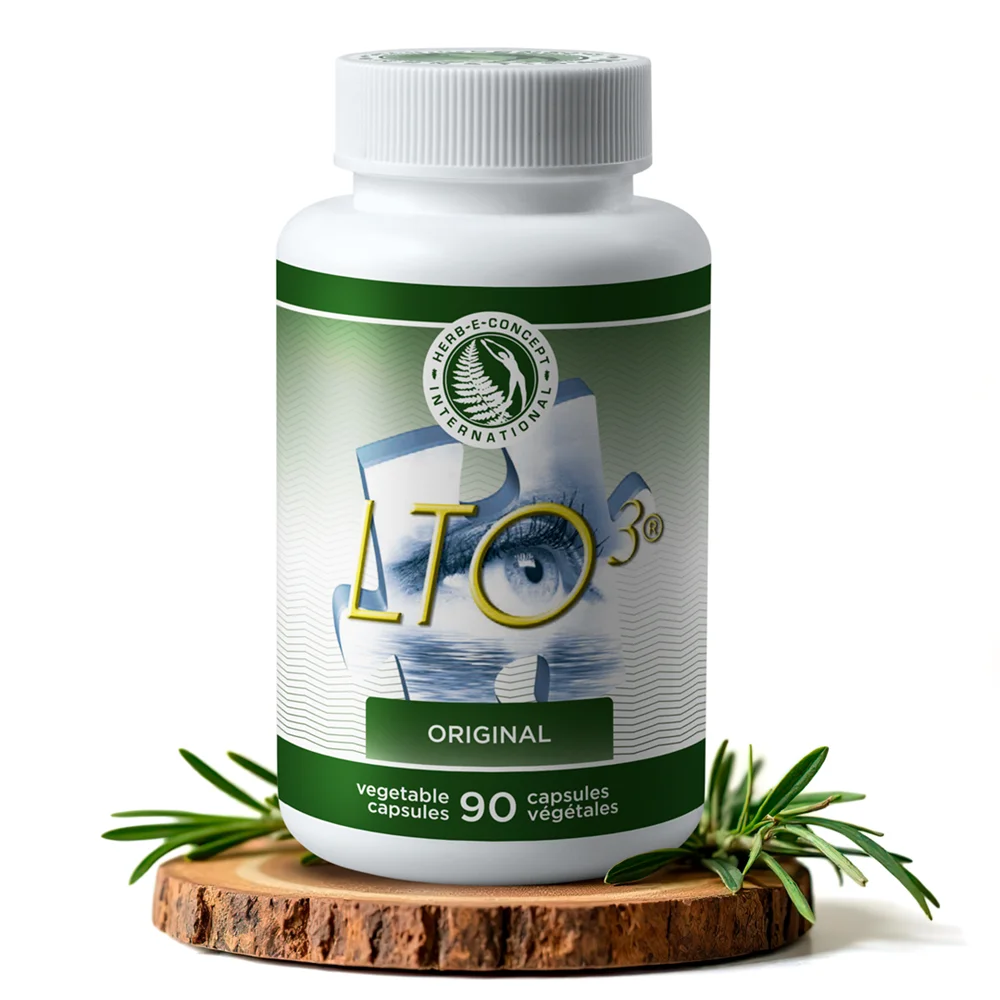
2.3.1 Product Profile: LTO3
-
Manufacturer: Herb-e-Concept, based in Quebec, Canada.
-
Source Material: Sementis®. This is a proprietary extract of herring milt.
-
Composition: Each capsule typically contains 100 mg of Sementis, providing a rich source of Marine DNA, Omega-3/Omega-6 fatty acids, and phospholipids.7
-
Therapeutic Positioning: Uniquely, this product is not marketed for anti-aging or skin beauty. Instead, it is positioned for cognitive health—specifically Attention Deficit Disorder (ADD/ADHD), focus, and anxiety. This highlights a distinct divergence in the North American market where nucleic acids are valued for their role in neurotransmitter function and brain health.7
2.3.2 Purchasing and Logistics
-
Channel: Widely available in health food stores across Canada (e.g., La Boite à Grains) and accessible to US consumers via online health retailers and eBay.9
-
Cost: The price point is accessible, ranging from $34.99 to $44.99 USD for 90 capsules.10
-
Regulatory Status: LTO3 has achieved an NPN (Natural Product Number) from Health Canada, a rigorous regulatory validation that confirms the safety and manufacturing quality of the marine milt extract.7
2.4 Celergen: The Ultra-Premium Segment
Celergen represents the pinnacle of the price spectrum in the North American market. While the brand leans heavily on its “Swiss” identity (“Swiss Cell Therapy”), it is heavily marketed and sold in North America through high-end anti-aging clinics, plastic surgery centers, and specialized online portals.
2.4.1 Product Profile: Celergen Cell Therapy
-
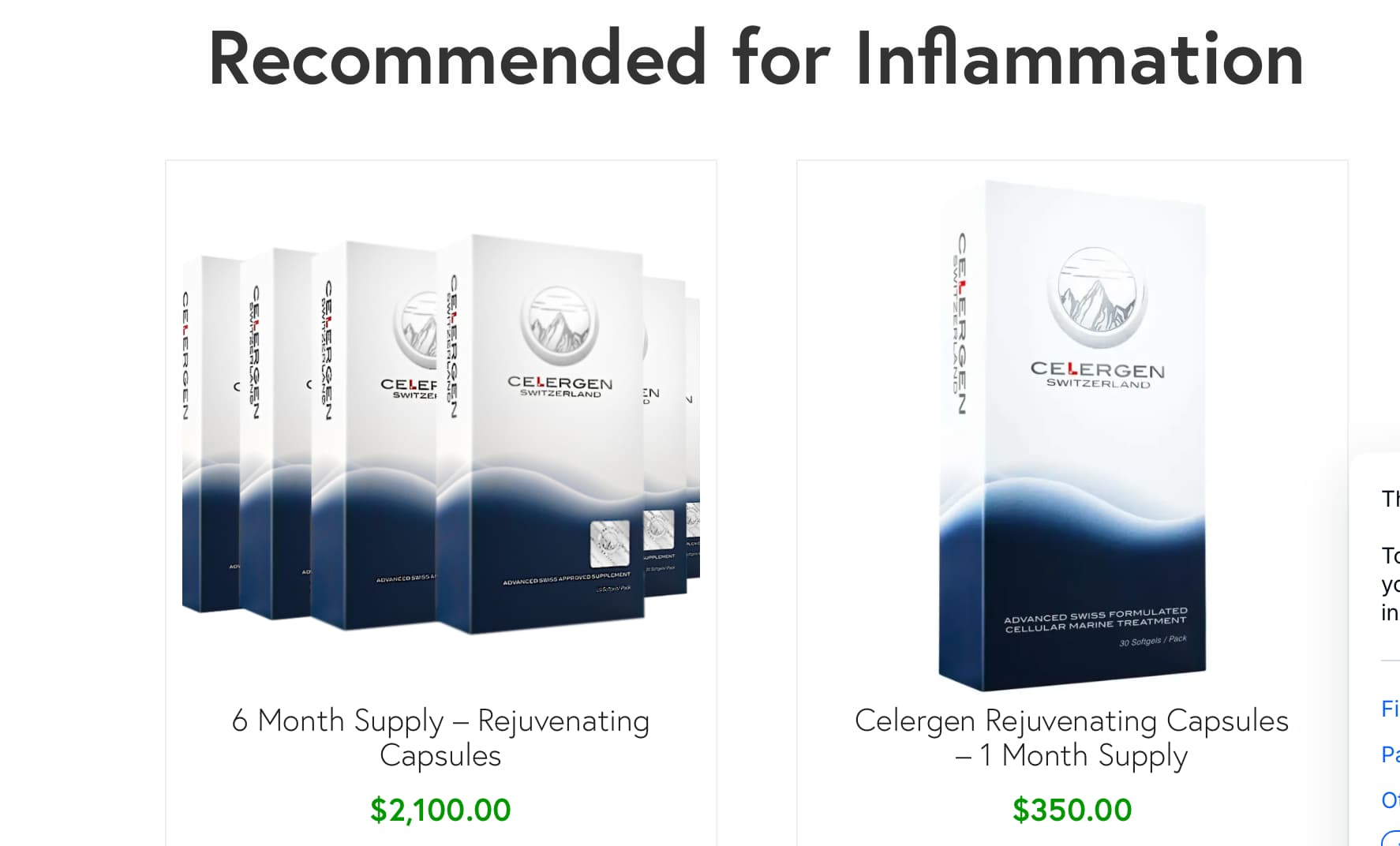
Formulation: Enteric-coated softgels.
-
Source Material: Bio-DNA Cellular Marine Complex. This is a proprietary high-polymerization DNA extract derived from deep-sea fish milt (often cited as salmon or herring).
-
Marketing Claims: Celergen markets itself as a non-injectable alternative to stem cell therapy. The company claims to use a “Swiss Cold Process” extraction technology that preserves the bioactivity of the DNA and proteins better than standard heat extraction.11
-
Cost: The pricing is exclusionary, ranging from $350.00 to $418.00 USD for a single box of 30 softgels (a one-month supply).12
-
Economic Analysis: At over $11.60 per day, Celergen is targeted at the luxury demographic. The cost is justified not by the quantity of DNA (which is likely lower than Melaleuca’s liquid) but by the perceived value of the proprietary extraction technology, the “Swiss” branding, and the clinical backing regarding fatigue and osteoarthritis.15
3. Cross-Border Import Sources (Japan to North America)
A significant volume of Salmon Milt DNA consumed in North America is purchased via cross-border e-commerce platforms (eBay, YesStyle, Dokodemo) that ship directly from Japan. This sector is crucial because Japanese manufacturers are the global leaders in commercializing shirako extracts, and their products are often viewed by dedicated consumers as the “gold standard” for quality.
3.1 Fordays Co., Ltd.
Fordays is a dominant player in the Japanese nucleic acid market and has a dedicated customer base in the US, often supplied through gray-market importers or direct individual imports.
-
Product Name: Natural DN Collagen.
-
Formulation: A water-soluble nucleic acid drink.
-
Source Material: DNA derived from Salmon Milt, rendered water-soluble through proprietary processing technology. This solubility is a key technical differentiator, as native DNA can be difficult to dissolve in high concentrations without gelling.16
-
Ingredients: The formula is a complex blend including collagen peptides, rare sugars (allulose), and salmon nasal cartilage extract (proteoglycans), creating a multi-faceted tissue support beverage.16
-
Cost: The import cost fluctuates significantly based on exchange rates and shipping, typically landing between $57.60 and $100.00 USD per 720ml bottle.17
3.2 DHC Corporation
DHC is a ubiquitous beauty and health brand in Japan. For North American consumers, DHC represents the most accessible “entry-level” option for trying salmon DNA supplements.
-
Product Name: Nucleic Acid (DNA).
-
Formulation: Tablets.
-
Source Material: Salmon Milt Extract (DNA-Na) and Yeast (RNA).
-
Concentration: The daily serving (3 tablets) provides a standardized dose of salmon milt extract (often around 300mg total extract weight, though specific assays vary).
-
Cost: It is highly affordable, often retailing for $7.42 - $13.55 USD for a 30-day supply (90 tablets) via import sites like Dokodemo or resellers on Amazon.19
-
Availability: High. The logistics for obtaining DHC products in the US are well-established, with shipping times often under 10 days from Japan.
3.3 BHK’s (Taiwan)
BHK’s is a Taiwanese brand that has aggressively targeted the English-speaking market with specialized beauty supplements.
-
Product Name: Salmon DNA Capsules.
-
Marketing Focus: Unlike the general health focus of Nutri-West or the endurance focus of NutriScience, BHK’s markets this explicitly for skin scar repair and “erasing acne scars.” This reflects the “PDRN” influence from the cosmetic dermatology sector.21
-
Concentration: Each capsule contains 135 mg of Salmon Milt Extract (DNA-Na) and 50 mg of Silk Protein.
-
Cost: Approximately $36.10 USD for 60 capsules.22
-
Logistics: They have established dedicated English-language e-commerce portals and distribution via Asian Beauty Wholesale, making them one of the most user-friendly import options for North Americans.23
4. B2B Raw Material Suppliers (North America)
For commercial entities—supplement brands, contract manufacturers, and formulators—looking to manufacture their own salmon DNA products, sourcing raw material is the first step. The North American B2B landscape is supported by several key distributors and manufacturers.
| Supplier |
Location |
Product Name |
Key Attributes |
Application |
Source ID |
| NutriScience Innovations |
Connecticut, USA |
DNActive® |
Fermented Salmon Milt Extract; Water soluble; 24-month shelf life. |
Capsules, Gummies, Functional Foods |
24 |
| Green Wave Ingredients |
California, USA |
Alaska Salmon Milt Powder |
Bulk distributor; likely sourced from Pacific fisheries; “waste-to-value” positioning. |
Dietary Supplements, Animal Nutrition |
25 |
| Tree Origin |
Online/Global |
Alaska Salmon Milt Powder |
Hydro-extraction method; off-white to yellow powder. |
Supplements, Cosmetics |
25 |
| PhosphoTech |
Global (France/USA) |
Marine DNA |
High phosphorus content; natural extraction process. |
Dry Blends, Tablets |
26 |
| Uniproma |
Global (China/USA) |
PromaCare® R-PDRN |
Cosmetic grade Sodium DNA; >90% purity. |
Topical Serums, High-end Nutricosmetics |
27 |
NutriScience Innovations stands out as a critical partner for North American brands. Their DNActive®ingredient is differentiated by an enzymatic fermentation process. This not only standardizes the DNA content but is claimed to improve the bioavailability of the nucleotides compared to simple solvent extraction. They market the ingredient with specific health claim substantiations related to endurance, liver function, and cellular health, providing a “turnkey” solution for brands looking to make structure/function claims under FDA regulations.24
5. Technical Specifications: Shelf-Life and Stability
Understanding the stability profile of Salmon Milt DNA is paramount for both consumers purchasing expensive supplements and manufacturers managing inventory. DNA is a robust molecule, but the milt extract as a whole—containing proteins and residual lipids—is susceptible to degradation.
5.1 Raw Material Stability (Powder)
For bulk Salmon Milt Extract powder (the form used by manufacturers):
-
Standard Shelf-Life: The industry standard is 24 months (2 years) from the date of manufacture.25
-
Storage Conditions: It must be stored in original, tightly sealed containers (often aluminum foil bags to block light and moisture) at ambient temperatures.
-
Hygroscopicity: DNA salts (Sodium DNA) are highly hygroscopic. If exposed to humid air, the powder will absorb moisture, leading to “caking” and potential microbial spoilage. This is why commercial capsules always contain desiccants.
-
Temperature Sensitivity: While stable at room temperature, high-purity PDRN used for research or cosmetic injections often requires storage at 2-8°C or even -20°C to preserve the integrity of the polymer chain length, which is critical for its biological activity.28
5.2 Finished Product Stability (Consumer Goods)
The shelf-life of the finished product depends heavily on the delivery format:
5.2.1 Capsules and Tablets (e.g., Nutri-West, DHC)
-
Stability: High. The encapsulation protects the extract from oxygen and moisture.
-
Typical Shelf-Life: 36 months (3 years) from the date of manufacture.
-
Consumer Action: These can be stored at room temperature in a cool, dry place. No refrigeration is required.
5.2.2 Liquid Formulations (e.g., Melaleuca DNA Plus, Fordays)
-
Stability: Moderate to Low. The liquid medium allows for faster oxidation and chemical interaction between ingredients.
-
Typical Shelf-Life (Unopened): 12 to 18 months. Manufacturers use preservatives (like sodium benzoate) and pH adjustments (citric acid) to maintain stability.
-
Typical Shelf-Life (Opened): 30 days. Once the seal is broken, oxygen enters the bottle. These products almost universally require refrigeration after opening to retard microbial growth and oxidation of the delicate polyunsaturated fatty acids that may remain in trace amounts.16
-
Formulation Challenge: High concentrations of DNA (like the 15,000 mg in Melaleuca’s product) can lead to viscosity changes or precipitation over time. “Shake well before use” is a standard instruction not just for mixing, but to re-suspend any settled nucleoproteins.
6. Economic Analysis: Cost Structures and Value
The market for Salmon Milt supplements exhibits a massive price disparity that is driven less by the cost of the raw material and more by the brand positioning and processing technology.
6.1 Comparative Cost Analysis Table
The following table standardizes the cost data to provide a clear comparison for North American buyers.
| Brand |
Product |
Format |
Retail Price (Approx. USD) |
Servings/Unit |
Est. Daily Cost |
Market Segment |
| DHC |
Nucleic Acid (DNA) |
Tablet |
$9.00 - $13.50 |
30 |
$0.30 - $0.45 |
Economy / Entry Level 20 |
| BHK’s |
Salmon DNA |
Capsule |
$36.10 |
60 |
$0.60 |
Mid-Range / Beauty 22 |
| Nutri-West |
RNA-DNA Plus |
Tablet |
$40.80 |
60 |
$0.68 |
Professional / Clinical 6 |
| Melaleuca |
DNA Plus |
Liquid |
$64.50 (500ml) |
16-33* |
$1.90 - $3.80 |
Premium / High Potency 3 |
| Fordays |
Natural DN Collagen |
Liquid |
$60.00 - $100.00 |
12-24* |
$2.50 - $4.00 |
Premium Import 18 |
| Celergen |
Cell Therapy |
Softgel |
$350.00 |
30 |
$11.60+ |
Luxury / Anti-Aging 14 |
*Note: Servings for liquids are estimated based on typical dosage protocols (15-30ml/day).
7.3 Safety Profile
-
Uric Acid: A historical concern with high-nucleic acid diets (like organ meats) is the production of uric acid, a metabolite of purines that can aggravate gout. However, modern refined milt extracts are often processed to balance the nucleoprotein content. Clinical trials on salmon milt DNA (referenced in commercial literature) often monitor serum uric acid levels to ensure safety, and studies generally report no significant adverse effects in healthy individuals at standard doses.30
-
Heavy Metals: Sourcing from “wild-caught” salmon (as claimed by NutriScience) is often emphasized to mitigate concerns about bioaccumulation of heavy metals or antibiotics associated with farmed fish.
Summary of Commercial Availability:
-
Where to Buy:
-
Direct: Melaleuca (Membership), Nutri-West (Practitioner/Distributor).
-
Import: Amazon, eBay, YesStyle (for DHC, BHK’s, Fordays).
-
Retail: Specialized health food stores (Canada for LTO3).
-
Typical Cost:
-
Daily: $0.30 (Economy) to $11.60 (Luxury).
-
Per Bottle: $13.50 (DHC) to $350.00 (Celergen).
-
Shelf-Life:
-
Powder/Capsules: 24-36 months.
-
Liquid: 12-18 months (Unopened), 30 days (Opened/Refrigerated).
For the North American consumer, the choice of source ultimately depends on the desired delivery method (liquid vs. pill) and the budget. The market offers high-quality domestic options like Melaleuca and Nutri-West that rival the established Japanese brands in quality and potency, ensuring that this unique marine resource is readily accessible without the need for international shipping.
Here are the web links to the commercial sources, manufacturers, and specific products mentioned in the report.
1. Domestic North American Sources (B2C)
Direct purchase options for US & Canadian consumers.
-
Melaleuca (Product: DNA Plus / NutraGene)
-
Nutri-West (Product: RNA-DNA Plus)
-
Herb-e-Concept (Product: LTO3 - Herring Milt)
-
Celergen (Product: Cell Therapy)
2. Cross-Border Import Sources (Japan/Taiwan to US)
Major platforms for purchasing Japanese/Taiwanese salmon milt supplements.
-
Fordays (Product: Natural DN Collagen)
-
DHC (Product: Nucleic Acid DNA)
-
BHK’s (Product: Salmon DNA Capsules)
3. B2B Raw Material Suppliers
For industry buyers, compounding pharmacies, or bulk ingredient sourcing.
-
NutriScience Innovations (Ingredient: DNActive®)
-
PhosphoTech (Ingredient: Marine DNA)
-
Uniproma (Ingredient: PromaCare® R-PDRN)
-
Bulk Marketplaces (Various Suppliers like Green Wave & Tree Origin)
Some example products:
https://dokodemo.world/en/item/1997077/
Translated label from DHC product:
Ingredients / Raw Materials
[Name]
Nucleic acid (DNA・RNA)–containing food product
[Ingredients]
Reduced barley malt syrup (manufactured in Japan), salmon milt powder (contains DNA), yeast extract (contains RNA), hardened palm oil, flavoring/fragrance, glycerin fatty acid ester, thickener (methylcellulose), niacin, calcium pantothenate, vitamin B6, vitamin B1, vitamin B2
[Content Amount]
31.5 g (90 tablets, each tablet 350 mg)
[Nutrition Facts]
[Per 3 tablets (1050 mg)]
Energy: 4.0 kcal
Protein: 0.44 g
Fat: 0.08 g
Carbohydrates: 0.38 g
Equivalent salt: 0.08 g
Niacin: 9 mg
Pantothenic acid: 3.0 mg
Vitamin B6: 0.7 mg
Vitamin B1: 0.7 mg
Vitamin B2: 0.7 mg
Salmon milt powder: 330 mg (DNA 86%)
Yeast extract: 180 mg (RNA 85%)
Note: 1,000TW$ is about 34$ US. (below link)
https://www.bhks.com.tw/en/product/detail/1270561
And on the “Crazy Expensive” European product side of things:
Ingredients of the Celergenus Rejuvenating Capsules:
Celergen Rejuvenating Capsules Ingredient Panel
Based on commercial labeling and clinical analyses of the Celergen Swiss Marine Cell Therapy formulation, the active ingredients and their approximate dosages per capsule are listed below.
The core of the formulation is a 570 mg proprietary marine complex, often marketed under trade names like “BioDNA Cellular Marine Complex,” “Peptide E,” and “Hydro MN.”
Active Ingredients (Per Capsule)
| Ingredient |
Amount |
Notes |
| Marine Peptide Complex |
570 mg |
Primary active component. Contains the proprietary BioDNA Cellular Marine Complex, Peptide E Collagen, and Hydro MN Peptide. Sources often list this aggregate total as “Marine Collagen Peptides” or “Protein.” |
| Coenzyme Q10 (CoQ10) |
10 mg |
Antioxidant targeting cellular energy production (mitochondria). |
| Lutein |
10 mg |
Carotenoid antioxidant, typically sourced from marigold extract. |
| Grape Skin Extract |
10 mg* |
Rich in resveratrol and polyphenols. (*Not always itemized on simplified retail packaging, but present in the clinical formulation). |
| Luteolin |
10 mg* |
Flavonoid antioxidant. (*Present in clinical formulation). |
| Selenium |
50 mcg |
Essential trace mineral (0.05 mg). |
Proprietary Marine Complex Breakdown
The 570 mg marine complex is a synergistic blend of three specific extracts. While the exact ratio is a proprietary trade secret, the components are:
-
BioDNA Cellular Marine Complex: Extracted from the milt (seminal fluid) of deep-sea fish (typically herring or salmon). It is rich in polymerized DNA designed for anti-oxidative and regenerative effects.
-
Peptide E Collagen: A hydrolyzed collagen and elastin peptide blend derived from fish skin, aimed at skin elasticity and hydration.
-
Hydro MN Peptide: A marine cartilage extract containing hydrolyzed proteins and polysaccharides (specifically chondroitin sulfate), targeting joint health and cartilage regeneration.
Other Ingredients (Excipients)
-
Capsule Shell: Fish Gelatin (enteric coated to bypass stomach acid).
-
Carriers/Solvents: Beeswax, refined soybean oil, lecithin (emulsifier).
-
Colorants: Iron oxide (Black, Red, Yellow).
Clinical Study: Celergen Efficacy
The clinical study describing the specific marine collagen and antioxidant formulation found in Celergen is titled “Skin Antiageing and Systemic Redox Effects of Supplementation with Marine Collagen Peptides and Plant-Derived Antioxidants: A Single-Blind Case-Control Clinical Study.”
Here are the direct links to the correct study:
Study Summary
-
Authors: De Luca C, Mikhal’chik EV, Suprun MV, Papacharalambous M, Truhanov AI, Korkina LG.
-
Journal: Oxidative Medicine and Cellular Longevity, Volume 2016.
-
Key Findings: The study followed 41 healthy volunteers (ages 35–75) over 2 months. It concluded that the specific combination of Marine Collagen Peptides (570 mg) with plant-derived antioxidants (CoQ10, Grape Skin Extract, Luteolin, Selenium) significantly improved:
- Skin elasticity and sebum production.
- Dermal ultrasonic markers (skin thickness/density).
- Systemic metabolic output (measured by ATP storage in erythrocytes).