As Trehalose is not going to work, I asked for more practical alternatives.
Gemini:
Based on evidence from recognized scientific journals (e.g., Circulation Research, Autophagy, Nature Aging), the cardiovascular benefits of trehalose are driven by two specific cellular mechanisms: TFEB-mediated macrophage autophagy (clearing plaque) and mitochondrial quality control (reversing stiffness).
Since oral trehalose is degraded into glucose, you can target these exact mechanisms using specific alternatives validated in peer-reviewed literature.
1. The “Plaque Cleanup” Mechanism
Mechanism: Trehalose activates Transcription Factor EB (TFEB) in macrophages. This allows these immune cells to digest the “necrotic core” of atherosclerotic plaques, preventing them from destabilizing.
The Evidence-Based Alternative: Spermidine
-
Scientific Validity: A pivotal study in Autophagy (2016) demonstrated that spermidine triggers the exact same autophagic pathway as trehalose in atherosclerotic plaques.
-
Outcome: It reduced the size of the necrotic core and lipid accumulation without altering cholesterol levels, mimicking the “mechanical” cleanup effect of trehalose.
-
Dosage in Studies: Human trials for other markers often use 1–6 mg/day, typically sourced from wheat germ extracts.
-
Note: Unlike trehalose, spermidine is not degraded into glucose and has high bioavailability.
The “Helper” Candidate: TUDCA
-
Scientific Validity: Research in PLOS One and Journal of Lipid Research shows that TUDCA acts as a “chemical chaperone” (just like trehalose) to reduce Endoplasmic Reticulum (ER) stress in macrophages.
-
Outcome: By lowering ER stress, it prevents macrophages from turning into “foam cells” (the building blocks of plaque) in the first place.
-
Role: While Spermidine helps clean existing debris, TUDCA helps prevent new cellular damage.
2. The “Arterial Stiffness” Mechanism
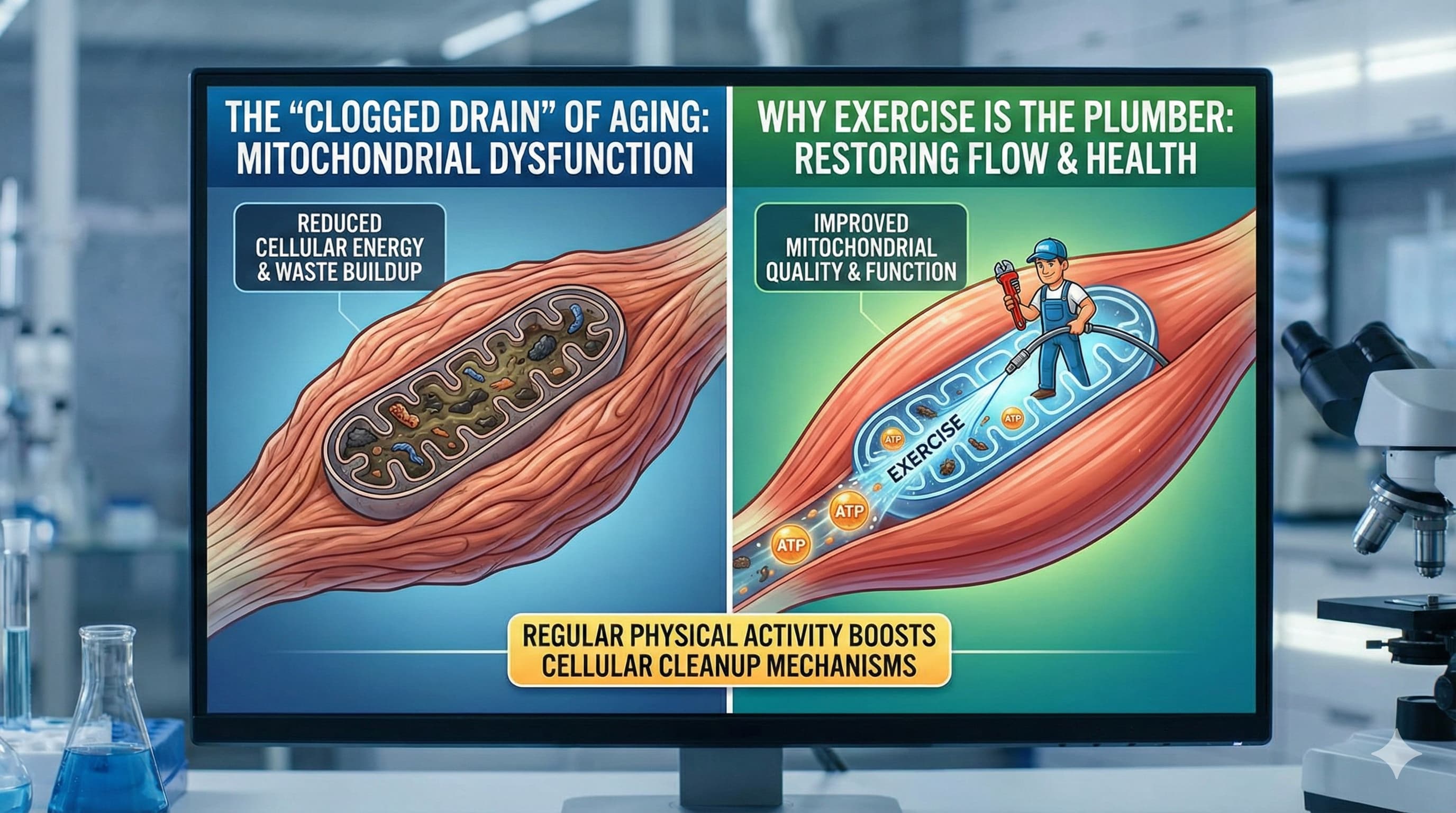
Mechanism: Trehalose reverses arterial stiffening by restoring mitochondrial fitness (via the SIRT3 pathway) in endothelial cells. As we age, these cells lose the ability to recycle damaged mitochondria (mitophagy), leading to rigid vessels.
The Evidence-Based Alternative: Urolithin A
-
Scientific Validity: Published in Nature Metabolism and JAMA Network Open, Urolithin A is the most potent known inducer of mitophagy currently available.
-
Outcome: Clinical trials have shown it improves mitochondrial health in muscle and endothelial tissue. While direct “Pulse Wave Velocity” (stiffness) data is stronger for trehalose in mice, Urolithin A is the only compound that restores the endothelial mitochondrial function in humans similarly to how trehalose does in animal models.
-
Dosage in Studies: 500 mg–1000 mg daily is the standard clinical dose.
3. The “Calcification” Mechanism
Mechanism: Trehalose prevents the structural hardening of arteries.
The Evidence-Based Alternative: Vitamin K2 (MK-7)
-
Scientific Validity: Vitamin K2 activates Matrix Gla Protein (MGP), a potent inhibitor of vascular calcification.
-
Crucial Nuance: While the mechanism is undisputed (Nobel-prize winning science), clinical trials on reversing stiffness are mixed. A notable trial in Hypertension (2020) showed no improvement in arterial stiffness for chronic kidney disease patients. However, for general prevention in healthy aging, it remains the standard of care for preventing calcium deposition.
Summary: The “Trehalose-Free” Cardiovascular Stack
To replicate the cardiovascular effects of 100g of trehalose without the glucose load, this protocol targets the specific biological pathways identified in the literature:
| Trehalose Benefit |
Biological Mechanism |
Validated Alternative |
| Clear Plaque Waste |
TFEB Activation & Autophagy |
Spermidine (Wheat Germ Extract) |
| Prevent Foam Cells |
Chemical Chaperone (ER Stress) |
TUDCA (500mg - 1g) |
| Reverse Stiffness |
Mitochondrial Recycling (Mitophagy) |
Urolithin A (500mg) |
Suggested Action
If you want to pursue this, the most robust “start” is Urolithin A (500mg) for vessel health and Spermidine for plaque stability, as these have the strongest human safety and mechanistic overlap with trehalose.