Notícias

RapAdmin

For the first time, researchers have visualized the real-time “garbage disposal” (mitophagy) of mitochondria inside the living brains of awake mice. Contrary to the neuron-centric view of brain aging, this study reveals that astrocytes (the brain’s support cells) are far more active in clearing damaged mitochondria than neurons—approximately 30-35% higher basal activity.

However, age spares no one: both neurons and astrocytes suffer a significant decline (~30%) in this critical cleaning process as mice age. The study identifies a potential rescue: supplementing old mice with Nicotinamide Riboside (NR), a precursor to NAD+, restored mitophagy levels in both cell types. The findings suggest that brain aging might be driven as much by “lazy janitors” (astrocytes) as it is by failing neurons, and that high-dose NAD+ restoration can kickstart the cleaning crew back into action.

Source: Open Access Research Paper: Two-photon in vivo imaging reveals cell type-specific mitophagy dynamic changes in mouse somatosensory cortex during aging

  • Journal Impact: This is a Preprint hosted on bioRxiv.
  • Context: The impact score is currently N/A (Pending Peer Review). bioRxiv is a repository for rapid dissemination; while it hosts high-quality work, it has not yet passed the rigor of formal peer review (e.g., Nature or Cell). Treat findings as “cutting-edge but unverified.”

Part 2: The Biohacker Analysis

1. Study Design Specifications

  • Type: In vivo (Live awake imaging) & Ex vivo (Electron Microscopy).
  • Subjects: C57BL/6 Male mice.
    • Early-Aged: 2–3 months old (Human equivalent: ~20 years).
    • Old-Aged: 18–20 months old (Human equivalent: ~60–70 years).
    • Sample Size: Small (n=3−6 mice per group).
  • Intervention: Nicotinamide Riboside (NR) at 12 mM in drinking water for 3 weeks.

2. Lifespan & Healthspan Data

  • Lifespan Extension: Not measured.
  • Functional Outcome:
    • Old Mice + NR: Showed a 56% increase in neuronal mitophagy and 19% increase in astrocytic mitophagy compared to untreated old mice.
    • Morphology: NR treatment increased the physical size of neuronal mitochondria, suggesting a remodeling effect, though electron microscopy (TEM) failed to capture the same magnitude of “cleaning events” seen in live imaging.

3. Mechanistic Deep Dive

This paper shifts the longevity lens from mTOR inhibition (slowing growth) to NAD+ Restoration (fueling repair).

  • The Astrocyte Advantage: Astrocytes are the metabolic hubs of the brain. The fact that they perform more mitophagy suggests they are the primary site for recycling mitochondrial waste. Their failure with age may lead to a toxic buildup of debris that secondarily poisons neurons.
  • The Pathway: The study implies an NAD±dependent Sirtuin pathway (likely SIRT1/SIRT3) is required to maintain the “mitophagic flux.” When NAD+ drops with age, the signal to “eat” damaged mitochondria fades. NR acts as fuel to turn this signal back on.

4. Critical Limitations

  • Sample Size: With only 3–6 mice per group, the statistical power is low.
  • Gender Bias: Only male mice were used. Estrogen influences mitochondrial dynamics; results in females could differ significantly.
  • The “Ghost” Data: There is a conflict between the live imaging (fluorescence) and the static electron microscopy (TEM). Live imaging showed a massive boost in mitophagy with NR, but TEM did not show a statistically significant increase in “mitophagy-like events.” This suggests the cleaning might be happening so fast that static images miss it, OR the fluorescent probe is over-reporting.
  • Short Duration: 3 weeks of treatment is a “blitz,” not a chronic lifestyle protocol.

Part 3: Actionable Intelligence

1. The Translational Protocol

WARNING: The mouse dose used in this study is extremely high compared to standard human supplementation.

  • Mouse Dose Calculation:
    • Concentration: 12 mM NR ≈ 3.5 mg/mL in water.
    • Est. Intake: ~4 mL/day for a 30g mouse ≈ 14 mg/day.
    • Mouse Dose: ~466 mg/kg/day.
  • Human Equivalent Dose (HED):
    • Formula: Mouse Dose / 12.3 (Km factor).
    • HED ≈ 38 mg/kg/day.
    • For a 75kg (165lb) Human: ~2.85 grams/day.
  • Context: Most commercial NR supplements are dosed at 300mg–1000mg/day. This study suggests that to replicate the brain-cleaning effects seen here, one might need nearly 3 grams per day—a dose used in safety trials but well above the consumer standard.

2. Pharmacokinetics & Safety

  • Safety Profile: Clinical trials have tested NR up to 2000mg (2g) daily for 12 weeks without serious adverse events (SAEs). Common side effects at high doses include nausea, gastrointestinal bloat, and flushing (rare, usually niacin-associated but possible with NR).
  • Half-Life: Systemic NAD+ levels peak approx. 8-9 hours after oral NR ingestion in humans.
  • Toxicity: NOAEL (No Observed Adverse Effect Level) in rodents is roughly 300 mg/kg/day. The study used a dose slightly above the calculated NOAEL, implying a “pushing the envelope” approach.

3. Biomarker Verification Panel

If you are experimenting with NAD+ precursors, do not guess—measure.

  • Primary: Intracellular NAD+ levels (PBMC assay). Several direct-to-consumer labs now offer this.
  • Secondary: GDF15 (Growth Differentiation Factor 15). A marker of mitochondrial stress. If mitophagy is working, mitochondrial stress signals should eventually decrease, but acute cleaning might transiently raise them.
  • Safety Monitor: Homocysteine. High-dose B3 derivatives can deplete methyl groups. You must monitor Homocysteine and consider co-supplementing with TMG (Trimethylglycine) or Methyl-Folate if running high-dose NR.

4. Feasibility & ROI

  • Cost: High-quality NR (e.g., Niagen) costs ~$1.50 per 300mg.
  • Protocol Cost: To hit the 2.8g HED from this study would cost ~$14.00 per day (~$420/month).
  • Verdict: Low ROI for the average person. Likely only viable for high-net-worth longevity enthusiasts targeting specific neuro-deficits.

RapAdmin

In an important move for the longevity field, a global consortium of experts has published a consensus statement defining the essential “biomarkers of aging” for human intervention studies. For years, the biotech and biohacking communities have suffered from a “Tower of Babel” problem—every study uses different yardsticks (telomeres, methylation, frailty indices), making it impossible to compare the efficacy of rapamycin against metformin, or sauna protocols against caloric restriction. This paper, published in the Journals of Gerontology: Series A, solves that by using a rigorous Delphi consensus method to identify the 14 most reliable, validated markers of biological age.

The important development here is standardization. The experts moved beyond hype-driven metrics (like commercial telomere length tests, which failed to make the cut) and settled on a robust mix of functional, physiological, and molecular markers. The consensus prioritizes markers that are not just theoretically interesting but are responsive to interventions, mechanically plausible, and clinically feasible. For the biohacker and investor, this list is the new “shopping list” for validation: if your protocol or portfolio company isn’t moving these needles, it likely isn’t slowing aging. The inclusion of GDF-15 and DNA Methylation clocks alongside classic functional tests like Grip Strength signals a maturity in the field—merging high-tech omics with the undeniable reality of physical function.

Context:

Impact Evaluation: The impact score of this journal is 3.8 (JIF 2024), evaluated against a typical high-end range of 0–60+ for top general science. Therefore, this is a Medium impact journal in the broader scientific landscape, but considered Elite/Tier-1 specifically within the niche of aging biology and gerontology.


The Biohacker Analysis

Study Design Specifications

  • Type: Delphi Consensus Study (Expert Panel Decision-Making). Not an In Vivo/Clinical Trial.
  • Subjects: Expert Panel of researchers and clinicians (n=Unknown from snippet, typically 20-50 experts in Delphi studies) spanning diverse disciplines (biology, geriatrics, epidemiology).
  • Lifespan Data: N/A. The output is a consensus agreement (70-98%) on specific biomarkers.

Mechanistic Deep Dive & The Consensus List

The following report details the mechanistic rationale for the 14 consensus biomarkers identified in the Perri et al. (2025) study.

The expert panel selected these biomarkers not just for their ability to predict death, but because they serve as readable outputs for specific Hallmarks of Aging. The consensus divides broadly into Molecular Signals(upstream causes) and Functional/Phenotypic Outputs (downstream consequences).


I. The Molecular & Systemic Panel (Upstream Drivers)

These markers monitor the “Engine Room”—the cellular and biochemical processes driving the rate of aging.

1. GDF-15 (Growth Differentiation Factor 15)

  • Mechanistic Rationale: Mitochondrial Dysfunction & Integrated Stress Response (ISR).
    • GDF-15 is a mitokine secreted by cells under stress. It is arguably the most sensitive blood-based signal for mitochondrial distress and “somatic” (body-wide) cellular injury. It rises with age and correlates with the burden of senescent cells.
    • Biohacker Note: It is the “Check Engine” light for your mitochondria.

2. IGF-1 (Insulin-like Growth Factor 1)

  • Mechanistic Rationale: Deregulated Nutrient Sensing.
    • IGF-1 is the primary output of the Growth Hormone/IIS axis. It represents the body’s decision to prioritize Growth/Reproduction over Maintenance/Repair. Lower levels (within a physiological range) are associated with extended lifespan in model organisms (downregulating mTOR), while very low levels in humans predict frailty (sarcopenia).

3. DNA Methylation (Epigenetic Clocks)

  • Mechanistic Rationale: Epigenetic Alterations.
    • These clocks measure the accumulation of methyl groups on CpG islands in DNA, effectively tracking “entropy” in gene regulation. They are currently the best proxy for the Pace of Aging—measuring how fast the biological clock is ticking relative to chronological time.

4. IL-6 (Interleukin-6)

  • Mechanistic Rationale: Cellular Senescence & SASP.
    • IL-6 is a primary cytokine in the Senescence-Associated Secretory Phenotype (SASP). Senescent (“zombie”) cells secrete IL-6 to alert the immune system, but in aging, this becomes chronic, damaging surrounding healthy tissue and driving sterile inflammation.

5. hsCRP (High-Sensitivity C-Reactive Protein)

  • Mechanistic Rationale: Chronic Inflammation (“Inflammaging”).
    • While IL-6 is the signal, CRP is the systemic response produced by the liver. It quantifies the overall inflammatory load on the vascular and metabolic systems. Elevated CRP is a direct driver of endothelial dysfunction and accelerates biological aging.

II. The Functional & Phenotypic Panel (Downstream Consequences)

These markers monitor the “Chassis”—the structural integrity and functional capacity of the body.

6. Hand Grip Strength

  • Mechanistic Rationale: Loss of Proteostasis & Neuromuscular Integrity.
    • Grip strength is not just about hand muscles; it is a validated proxy for overall neural drive and total body protein reserves. It correlates strictly with telomere length and all-cause mortality. It tests the ability of the nervous system to recruit motor units (Neuromuscular Junction health).

7. Muscle Strength (General)

  • Mechanistic Rationale: Sarcopenia & Stem Cell Exhaustion.
    • Measures the functional output of muscle tissue. Decline indicates a failure in satellite cell proliferation (stem cell exhaustion) and mitochondrial bioenergetics within the muscle fibers.

8. Muscle Mass

  • Mechanistic Rationale: Metabolic Reserve.
    • Skeletal muscle is the primary “sink” for glucose and a reservoir of amino acids for the immune system. Loss of mass (sarcopenia) leads to insulin resistance (Deregulated Nutrient Sensing) and frailty.

9. Gait Speed

  • Mechanistic Rationale: Integrative System Failure.
    • Walking requires the precise coordination of the visual, vestibular, proprioceptive, and musculoskeletal systems. A slowed gait indicates “systemic entropy”—the degradation of neural processing speed and energy availability. It is widely termed the “6th Vital Sign” in geriatrics.

10. Timed-Up-and-Go (TUG)

  • Mechanistic Rationale: Dynamic Stability & Power.
    • This tests “explosive” power (getting out of the chair) and agility (turning). It reveals deficits in fast-twitch muscle fibers (Type II), which atrophy first during aging.

11. Standing Balance Test

  • Mechanistic Rationale: Neurodegeneration & Vestibular Decline.
    • The ability to balance on one leg degrades rapidly with age due to loss of proprioceptive nerve fibers and cerebellar processing speed. It is a direct functional readout of neural aging.

12. Blood Pressure

  • Mechanistic Rationale: Vascular Stiffness & Endothelial Dysfunction.
    • As arteries age, they lose elastin and accumulate collagen/calcium (stiffness). Systolic pressure rises as the vessels can no longer expand to accommodate blood flow, directly damaging the brain and kidneys (microvascular damage).

13. Cognitive Health

  • Mechanistic Rationale: Neuroinflammation & Synaptic Plasticity.
    • Measures the functional output of the brain. Decline signals neurodegeneration, often driven by vascular aging and systemic inflammation crossing the blood-brain barrier.

14. Frailty Index

  • Mechanistic Rationale: Accumulation of Deficits.
    • Aging is the accumulation of damage. The Frailty Index quantifies this by counting deficits (e.g., hearing loss, tremor, exhaustion). It mathematically models the “tipping point” where the organism loses the redundancy required to maintain homeostasis.

Novelty

The novelty lies in the exclusion and ranking.

  • What’s In: GDF-15 is officially mainstreamed as a top-tier aging biomarker, validating what niche researchers have said for years.
  • What’s Out: Telomere length is notably absent from the top consensus list, reflecting the growing view that it is too variable and poor at predicting individual intervention success compared to epigenetic clocks.
  • Harmonization: This provides the first “ISO standard” for longevity trials, allowing us to finally compare apples to apples across different biotech startups.

Critical Limitations

  • Consensus, not = Truth: A Delphi study reflects current opinion, not necessarily biological truth. If the experts are collectively wrong (e.g., overvaluing a popular clock that turns out to be noisy), the consensus preserves that error.
  • Cost vs. Access: While “Grip Strength” is free, reliable DNA methylation and GDF-15 testing remain expensive and hard to access for the average consumer, limiting “Citizen Science” applicability.
  • Lack of “Response” Data: The study identifies what to measure, but does not yet provide the definitive “Unit of Change” (e.g., how much does GDF-15 need to drop to equal 1 extra year of life?).

RapAdmin

In a compelling new perspective published in FEBS Letters, researchers from the University of Helsinki and Karolinska Institutet, led by Dr. Jette Lengefeld, propose a paradigm shift in longevity science: the “elixir of life” lies in the physical size and clonal quality of Hematopoietic Stem Cells (HSCs). Moving beyond generic “blood rejuvenation” concepts (like parabiosis), this paper crystallizes HSCs as the distinct “Zero Point” of aging. The core argument rests on the “Cellular Enlargement” theory—the observation that HSCs paradoxically grow larger as they age, a hypertrophy that dilutes cytoplasmic factors, disrupts organelle transport, and drives functional failure.

The authors argue that the decline of the immune and blood system is not just a symptom but a cause of systemic organ failure (heart, brain, muscle). By targeting the specific mechanisms of HSC aging—specifically preventing cellular enlargement (via mTOR suppression) and correcting polarity defects (via Cdc42 inhibition)—we can potentially reset the body’s entire regenerative clock. This review synthesizes evidence that rejuvenating HSCs alone can extend lifespan and healthspan, positioning the bone marrow niche as the highest-ROI target for longevity interventions.

Context:

  • Institution: University of Helsinki (Finland) / Karolinska Institutet (Sweden)
  • Journal: FEBS Letters
  • Impact Evaluation: The impact score of this journal is ~3.0 (2024 JIF), evaluated against a typical high-end range of 0–60+ for top general science (e.g., Nature, Cell), therefore this is a Medium impact journal. It is a respectable, specialized venue for molecular biosciences.
    Open Access Paper: Hematopoietic (stem) cells—The elixir of life?

Related: Rapamycin Prevents Blood Stem Cell Aging, New MIT Study

RapAdmin

In a landmark epidemiological study published in PLOS ONE, researchers from Yale University (USA) utilizing data from the US and UK have delivered a sobering reality check to the “genes are destiny” narrative. While the longevity community obsessively genotypes for APOE status to predict Alzheimer’s risk, this study of 9,849 older adults reveals that your social environment may be the ultimate arbiter of your cognitive lifespan.

The “Big Idea” here is the empirical validation of the Social Distinction Model over the “Social Trigger Model.” Previously, it was thought that social stress might “trigger” bad genes. Instead, this paper demonstrates that high social adversity (a composite of low income, poor neighborhood, and limited education) is so toxic that it overrides genetic protection. Individuals with the “longevity lottery ticket” (APOE-ε2, typically protective against dementia) who lived in high adversity had the same sky-high dementia risk as those with the dreaded APOE-ε4 allele. Conversely, social advantage acted as a permissive environment, allowing genetic differences to actually matter. Put simply: If your environment is toxic enough, your “good genes” cannot save you; if your environment is optimized, your “bad genes” are manageable.

Impact Evaluation: The impact score of this journal (PLOS ONE) is ~2.6 (2024 JIF), evaluated against a typical high-end range of 0–60+ (e.g., Nature or NEJM). Therefore, this is a Medium impact journal. However, its massive readership and open-access model ensure high visibility for this crucial gene-environment interaction data.
Open Access Paper: Unequal expression: Social position modulates APOE genotype risk of dementia


The Biohacker Analysis

Study Design Specifications:

  • Type: Longitudinal Observational Cohort Study (Retrospective analysis of prospective data).
  • Subjects: Humans (N=9,849).
    • Cohorts: Health and Retirement Study (HRS, USA) and English Longitudinal Study of Ageing (ELSA, UK).
    • Age: 55+ years.
    • Genetics: Stratified by APOE status (ε2/ε2 or ε2/ε3 [Low Risk], ε3/ε3 [Intermediate], ε2/ε4 or ε4/ε4 [High Risk]).
  • Lifespan Data: Not applicable (Endpoint was Time-to-Dementia onset over ~12 years).

Mechanistic Deep Dive:

  • The “Social Toxicity” Pathway: The authors propose that cumulative social disadvantage functions as a “biological accelerant,” likely driving pathology via Epigenetic Aging (e.g., GrimAge acceleration) and Chronic Inflammation (Inflammaging).
  • Stress Signaling: High social adversity creates a “constitutive active” stress state (HPA axis dysregulation), leading to elevated cortisol and downstream neurotoxicity in the hippocampus—the exact region APOE-ε4 tends to atrophy first.
  • The Override Switch: In high adversity, the “noise” of environmental toxicity (oxidative stress, vascular damage) is so loud it drowns out the subtle protective “signal” of the APOE-ε2 allele.

Novelty:

  • Destruction of the “Protective Shield”: We knew adversity was bad, but we didn’t know it was this bad. This paper proves that APOE-ε2 carriers (usually celebrated for longevity) lose all their protection in high-adversity settings (HR ~3.26 vs. reference).
  • Equivalence Principle: The study establishes a “Risk Equivalence”: Living with High Social Adversity confers roughly the same dementia hazard ratio (HR ~3.12–3.26) as being born with the high-risk APOE-ε4 genotype (HR ~3.21).

Critical Limitations:

  • Observational Nature: As with all epidemiology, causality is inferred, not proven. Reverse causality (early cognitive decline causing a drop in social status) was adjusted for but remains a specter.
  • Broad “Adversity” Definitions: The “Social Adversity Index” is a composite (education, income, neighborhood). It does not isolate which factor is the “active ingredient” (e.g., is it the toxic mold in the poor neighborhood, or the psychological stress of poverty?).
  • Missing Biomarkers: The study lacks direct “wet” data—no inflammatory cytokines (IL-6, TNF-a) or methylation clock data were measured in this specific paper to verify the mechanism.

Actionable Intelligence

The Translational Protocol (Lifestyle as a Drug)

1. “Human Equivalent Dose” (HED) of Adversity:

  • The Toxic Dose: The study defines the “toxic threshold” as ≥4 Unfavorable Social Determinants (e.g., low education + low income + neighborhood disorder + discrimination).
  • The “Safe” Dose: 0-1 Unfavorable Determinants.
  • Protocol: Conduct a personal “Social Audit.” If you score ≥4, you are effectively “dosing” yourself with an APOE-ε4 equivalent risk profile daily.
  • Mitigation: If structural factors (income/location) cannot be changed immediately, you must treat the downstreameffects (inflammation/stress) aggressively (see below).

2. Pharmacokinetics (Chronicity):

  • Bioavailability: Social stress is “100% bioavailable” to the brain via the HPA axis.
  • Half-Life: Unlike a drug that clears in hours, social adversity often has a decades-long half-life. Epigenetic “scarring” (methylation changes) from mid-life adversity can persist into late life.

Biomarker Verification Panel

  • Efficacy Markers (Target Engagement):
    • hs-CRP: Target < 1.0 mg/L. If elevated despite diet/exercise, consider it a readout of “psychosocial load.”
    • Cortisol (4-point salivary): Check for flattened diurnal rhythm (adrenal fatigue/dysregulation) common in chronic adversity.
    • Epigenetic Pace of Aging (DunedinPoAm): The gold standard for measuring if your lifestyle/stress is accelerating your biological clock faster than chronological time.

Feasibility & ROI (Cost-Benefit Analysis)

  • Cost vs. Effect:
    • Intervention: Relocation to a “High Social Cohesion” neighborhood or investment in higher education/financial stability.
    • Cost: High ($$$$$).
    • ROI: Massive. The study suggests optimizing social environment yields a ~67% reduction in dementia risk (HR drops from ~3.0 to ~1.0) for high-risk genotypes. This outperforms almost any monotherapy drug currently on the market.

Population Applicability

  • Genotype Specific:
    • APOE-ε4 Carriers: You are most sensitive to the environment. You cannot afford “toxic” neighborhoods or chronic isolation.
    • APOE-ε2 Carriers: Do not get complacent. Your genetic protection is revocable by high social stress.

Leitura Relacionada:

RapAdmin

The “Long Flu” Effect: Common Infections May Irreversibly Age Your Brain

We often view the flu as a transient respiratory annoyance—a week of fever, coughing, and misery, followed by a return to normal. This study (in preprint at BioRxiv) shatters that assumption, revealing that non-neuroinvasive Influenza A pneumonia triggers a permanent “aging event” in the brain. Researchers discovered that even when the virus never enters the central nervous system, the systemic inflammation it causes drives microglia (the brain’s immune cells) into a “Disease-Associated Microglia” (DAM) state.

Most alarmingly, this effect was age-dependent. In middle-aged mice (equivalent to humans in their 40s–50s), a single severe flu infection accelerated microglial aging by the equivalent of ~30 human years, pushing them into a state typically seen only in geriatric brains. This DAM phenotype—characterized by a metabolic crash and white matter inflammation—did not resolve after recovery. The study suggests that accumulating “hits” from common respiratory infections may be a primary driver of the cognitive decline we associate with normal aging, effectively fast-forwarding the neurodegenerative clock.

Novelty & Significance

  • The “Middle-Age Cliff”: Young mice recovered fully from flu. Old mice were already inflamed. Middle-aged mice suffered the most dramatic, irreversible shift. This suggests a “critical window” in mid-life where systemic insults permanently alter brain trajectory.
  • Environmental Priming: Microglial depletion (using PLX3397) and repopulation failed to reset the clock. The repopulated microglia immediately adopted the aged/DAM phenotype, proving the signal comes from the aged brain environment (likely damaged white matter), not the cells themselves.

The “Real” Protocol: Metabolic & Preventive Strategy

Since the “reset” drug failed, the actionable intelligence lies in preventing the “acceleration event” and managing the metabolic fallout.

  • Priority 1: The “Vaccine Shield”
    • Rationale: The study shows that viral pneumonia in middle age causes permanent neuroinflammation.
    • Action: Strict adherence to annual Influenza and COVID-19 vaccination. Preventing severe pneumonia is arguably a potent anti-dementia strategy for individuals over 40.

Critical Limitations

  • Sex Bias: The study used only male mice. Given that women have higher rates of autoimmune/inflammatory brain disease (like AD) and different immune responses to flu, this is a major blind spot.
  • No Cognitive Correlation: While they mapped cellular changes, they did not perform behavioral tests (e.g., Morris Water Maze) to prove these cellular shifts caused actual memory loss in this specific cohort.
  • Viral Specificity: It is unclear if this is specific to Influenza A or if COVID-19/RSV would trigger the exact same DAM pathways (though mechanisms overlap).

Institution: Northwestern University, USA Journal: bioRxiv (Preprint) Impact Evaluation: This manuscript is currently a preprint on bioRxiv and has not yet been peer-reviewed or assigned a Journal Impact Factor (JIF). However, the lead institutions (Northwestern, Chan Zuckerberg Biohub) and the scope of the data (multi-omics, spatial transcriptomics, human validation) suggest this is “High” impact research likely targeting top-tier journals (Nature Aging, Cell, etc).

Full open access paper: Influenza A infection accelerates disease-associated microglia formation during physiological aging

Full Gemini Analysis: https://gemini.google.com/share/4bc54a077e7c

Leitura Relacionada: Vaccines for longevity

RapAdmin

In a sobering update for the longevity community, a new study from Harvard Medical School and Brigham and Women’s Hospital (USA), published in GeroScience, suggests that current epigenetic clocks may be too “stable” to meaningfully track short-term biohacking interventions in healthy older adults. While the industry buzzes with “age reversal” claims based on 3-month protocols, this rigorous analysis of 899 participants from the COSMOS trial reveals a stubborn biological inertia: over a two-year period, epigenetic age in healthy seniors barely budged.

The researchers analyzed DNA methylation data using both first-generation clocks (Horvath, Hannum) and second-generation “Principal Component” (PC) clocks (PCGrimAge, PCPhenoAge). The Big Idea? Regression to the mean. Participants who appeared “accelerated” in Year 1 often “decelerated” in Year 2 without any intervention, suggesting that many short-term “reversals” celebrated by biohackers are statistical noise rather than biological miracles. The study validates PC clocks as superior for reliability (less noise), but warns that their high stability makes them insensitive tools for detecting changes over periods as short as two years. If you are tracking your “rate of aging” with quarterly tests, you are likely chasing ghosts.


Part 2: The Biohacker Analysis

Study Design Specifications:

  • Type: Ancillary Analysis of a Randomized Clinical Trial (COSMOS-Blood).
  • Subjects: Humans (N=899).
    • Demographics: Mean age 70.0 ± 5.6 years; 50.3% Women.
    • Cohort: Sub-sample of the COcoa Supplement and Multivitamin Outcomes Study (COSMOS).
  • Lifespan Data: N/A (Methodological biomarker study).
  • Intervention Context: Participants were randomized to Cocoa Extract (500mg flavanols) and/or Multivitamin (Centrum Silver), though this specific paper focuses on the methodological stability of the clocks across the cohort.

Mechanistic Deep Dive:
The authors deconstruct the “noise vs. signal” problem in methylation clocks.

  1. PC-Clocks vs. Original: The study confirms that Principal Component (PC) versions of clocks (e.g., PCGrimAge) successfully strip out technical noise found in original versions. However, this creates a double-edged sword: they are so stable that they show “limited sensitivity” to natural aging over 2 years (R^2 approx 0.71–0.88 for baseline-to-follow-up correlation).
  2. Regression to the Mean: A critical finding for self-experimenters. The “zigzag” pattern (acceleration followed by deceleration) observed in the data indicates that extreme delta values (rapid aging or rapid reversal) are often measurement artifacts that correct themselves over time.
  3. DunedinPACE: Surprisingly, the “speedometer” of aging (DunedinPACE) did not change significantly across the cohort over 2 years, challenging its utility for short-term intervention monitoring in already healthy, optimized populations.

Novelty:
This paper provides the rigorous “control group” data that most N=1 biohacking case studies lack. It establishes that stability, not volatility, is the norm for epigenetic age in healthy 70-year-olds. It effectively debunks the utility of measuring epigenetic age at intervals shorter than 2 years for verifying lifestyle interventions.

Critical Limitations:

  • The “Healthy User” Ceiling: The cohort consists of generally healthy, older adults. The lack of significant “aging signal” might be due to the cohort’s optimized baseline, masking subtle benefits of interventions.
  • Sensitivity Trade-off: The PC-clocks might have “over-corrected” for noise, removing the biological signal needed to detect subtle rejuvenation effects from interventions like Multivitamins or Cocoa.
  • Missing Data: The paper focuses on methodology and stability; it does not explicitly detail the effect size of the Cocoa/Multivitamin intervention in this specific text (though separate abstracts from the same group suggest Multivitamins did significantly reduce PCGrimAge, see Actionable Intelligence).

Impact Evaluation:
The impact score of this journal is ~5.4 (Impact Factor), evaluated against a typical high-end range of 0–60+ for top general science, therefore this is a High impact journal (Q1 in Geriatrics & Gerontology).

Source Paper: Longitudinal changes in epigenetic measures over 2 years:

RapAdmin

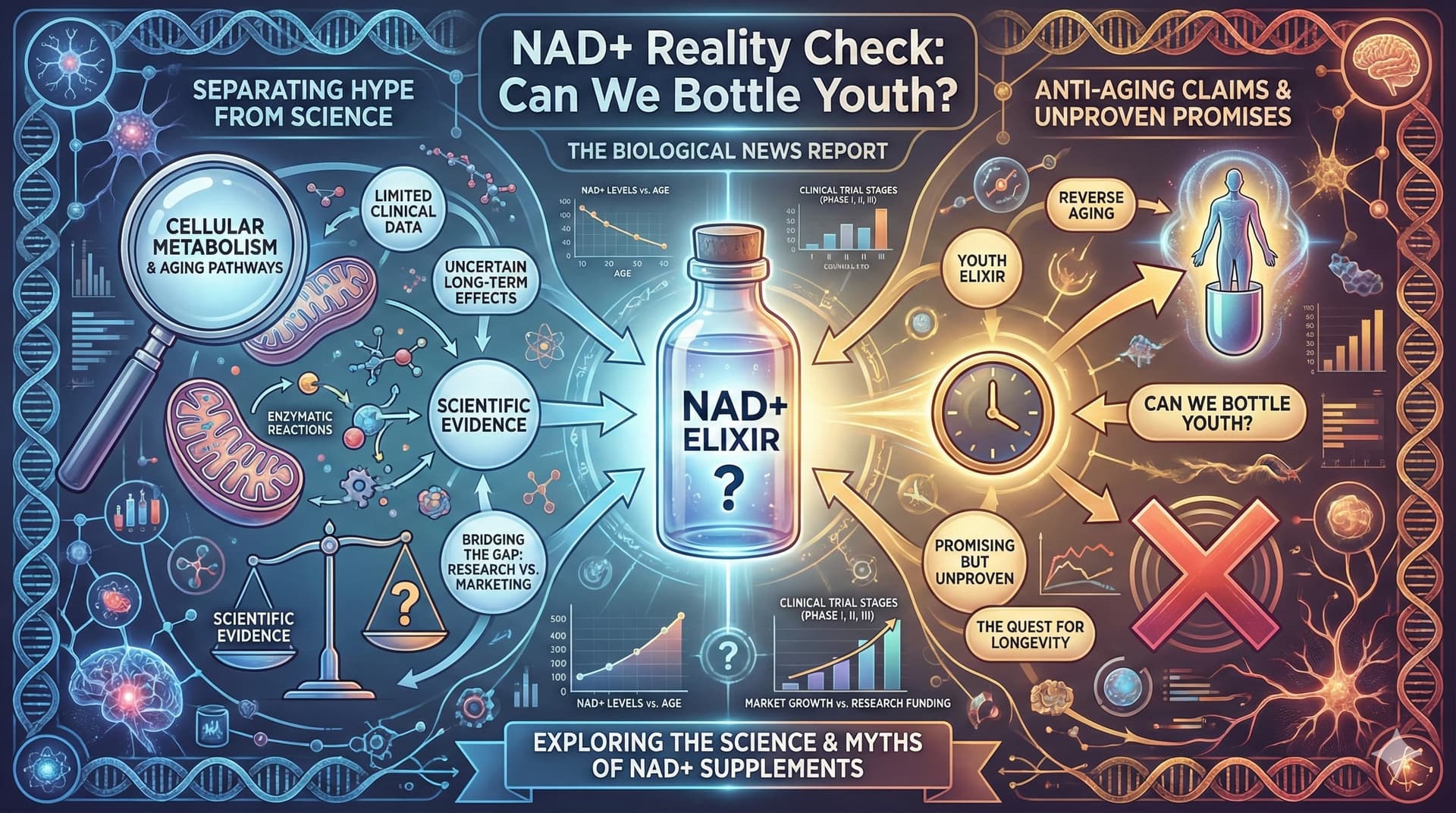
In a landscape saturated with “anti-aging” supplements, a new review by researchers at the Medical University of Graz provides a sober, clinical audit of the most hyped molecules in longevity: NAD+ precursors. Nicotinamide Adenine Dinucleotide (NAD+) is the cellular fuel that powers mitochondrial engines and DNA repair crews. NAD+ levels seem to go down in some tissues as we age (though results are inconsistent between studies) a decline linked to everything from heart failure to cognitive rot. For years, biohackers have popped Nicotinamide Riboside (NR) and Nicotinamide Mononucleotide (NMN) to reverse this, banking on spectacular lifespan extension seen in mice.

This 2025 review synthesizes the latest wave of human clinical trials to answer the trillion-dollar question: Does it work in humans? The verdict is a cautious “Yes, but…” While the safety profile is pristine—these compounds reliably boost blood NAD+ without toxic side effects—the translation to “feeling younger” is harder to pin down. The review highlights that while precursors successfully engage their targets (elevating the NAD+ metabolome), the downstream miracles—muscle regeneration, metabolic reset, and cognitive sharpening—are inconsistent across human cohorts. The authors argue we are moving from the “discovery phase” to the “precision phase,” where the focus must shift from if we should take them, to who should take them, when, and at what dose to bypass the bottlenecks of human metabolism.


Part 2: The Biohacker Analysis

Study Design Specifications

  • Type: Systematic Review of Clinical Trials (Meta-Analysis context).
  • Subjects: Human cohorts from multiple Phase I/II trials.
    • Populations: Healthy older adults, Obese/Overweight adults, Heart Failure patients, Acute Kidney Injury patients.
    • N-numbers: Varies by trial (typically n=20 to n=100 per study cited).
  • Lifespan Data:
    • Mice (Reference): Review cites rodent studies showing ~5-15% lifespan extension and improved healthspan.

Mechanistic Deep Dive

The authors dissect the NAD+ Salvage Pathway, identifying the critical failure points in aging:

  1. Supply Chain Failure: The rate-limiting enzyme NAMPT declines, preventing the recycling of Nicotinamide (NAM) back into fresh NAD+.
  2. Increased Burn Rate: Aging inflames tissues (Inflammaging), causing an upregulation of CD38 and PARPs. These enzymes voraciously consume NAD+ to fuel immune responses and repair DNA breaks, depleting the pool available for Sirtuins (longevity genes).
  3. Organ Priorities:
    • Skeletal Muscle: High sensitivity to NAD+ decline; supplementation shows potential to restore mitochondrial oxidative capacity (mitophagy).
    • Cardiovascular: NAD+ is critical for endothelial health; depletion mimics heart failure energetics.
    • Brain: Neuroprotection is the “Holy Grail,” but blood-brain barrier (BBB) permeability of precursors remains a key debate.

Novelty

This review distinguishes itself by aggregating the “second generation” of clinical data (2020-2025). Unlike early papers that just asked “Is it safe?”, this analysis focuses on tissue-specific bioavailability. It highlights that while blood NAD+ soars, muscle and brain increases are harder to achieve, suggesting that oral dosing protocols may need to be much higher or coupled with other agents (e.g., sirtuin activators like pterostilbene) to drive tissue uptake.

Critical Limitations

  • The “Blood-Tissue Gap”: The review admits a major methodological weakness in the field: most trials measure NAD+ in blood (PBMCs), which may not reflect levels in the liver, heart, or brain. We are using a flashlight to look for keys in the wrong room.
  • Heterogeneity of Response: There is massive inter-individual variability. Some subjects are “non-responders,” likely due to gut microbiome differences or baseline NAMPT activity, which few studies control for.
  • Lack of Functional Endpoints: Too many trials rely on biomarkers rather than hard clinical outcomes (e.g., grip strength, VO2 max, cognitive scores), which often show no significant change despite elevated NAD+.

Context: Geromedicine, International (published by SciExplor), Vol. 1, 2025.
Impact Evaluation: The impact score of this journal is N/A (New Journal, Vol. 1), evaluated against a typical high-end range of 0–60+ for top general science, therefore this is an Emerging/Unranked impact journal.

Open Access Scientific Paper: Clinical evidence for the use of NAD+ precursors to slow aging

RapAdmin

The Cocktail Protocol

In a significant shift from the “one-drug-one-target” paradigm, a new comprehensive review titled “Rewinding the Clock: Emerging Pharmacological Strategies for Human Anti-Aging Therapy” argues that the next phase of human life extension will not rely on a single magic bullet, but on sophisticated, multi-modal regimens. Published by researchers at Ghent University Hospital in Belgium, this analysis synthesizes decades of data to propose that efficacy lies in the precise sequencing of senolytics, mTOR inhibitors, and metabolic modifiers.

The “Big Idea” here is the transition from broad-spectrum geroprotection to precision gerotherapeutics. The authors contend that while agents like Rapamycin and Metformin are potent, their ceiling is limited by monotherapy toxicity and compensatory feedback loops. The report highlights the necessity of adaptive trial designs and the integration of next-generation biomarkers—specifically epigenetic clocks and proteomic signatures—to personalize dosing in real-time. By targeting multiple “Hallmarks of Aging” simultaneously (e.g., clearing senescent cells while inhibiting nutrient sensing), we may unlock synergistic effects that linear dosing cannot achieve. The era of blind biohacking is ending; the era of quantified, algorithmic longevity is beginning.

  • Context: Ghent University Hospital, Belgium; International Journal of Molecular Sciences (MDPI).
  • Impact Evaluation: The impact score of this journal is 4.9 (2023 JIF), evaluated against a typical high-end range of 0–60+ for top general science, therefore this is a Medium impact journal. (Note: It is ranked Q1 in Biochemistry & Molecular Biology, indicating high relevance within its specific niche despite the moderate general score).

Part 2: The Biohacker Analysis

Study Design Specifications:

  • Type: Systematic Review & Perspective (Meta-analysis of preclinical and clinical literature).
  • Subjects: N/A (Synthesizes data from Mus musculus (C57BL/6, UMHET3), Rattus norvegicus, and Human Clinical Trials).
  • Lifespan Data:
    • Rapamycin (mTOR inhibition): Consistently cited extension of 9–14% (Males) and 18–26% (Females) in genetically heterogeneous mice (ITP studies).
    • Senolytics (D+Q): Reported extension of median post-treatment lifespan by ~36% in aged mice.
    • Metformin: Modest extension of ~5% in some mouse strains; conflicting data in others.

Mechanistic Deep Dive:
The paper dissects longevity via the “Hallmarks of Aging” framework, identifying three critical leverage points:

  1. Deregulated Nutrient Sensing: The authors reaffirm mTORC1 inhibition (Rapamycin) as the gold standard for mimicking caloric restriction, reducing protein synthesis error rates, and inducing autophagy.
  2. Cellular Senescence: Emphasis is placed on Senolytics (Dasatinib + Quercetin) to clear “zombie cells” that secrete pro-inflammatory SASP factors (IL-6, TGF-β), which drive systemic aging.
  3. Epigenetic Alterations: The review points to NAD+ restoration (NMN/NR) as a means to fuel Sirtuins (SIRT1-7), essential for DNA repair and maintaining epigenetic stability.
  • Organ Priority: The analysis suggests a hierarchy where vascular health and immune function (mitigating immunosenescence) are the upstream bottlenecks for systemic longevity.

Novelty:
Unlike earlier reviews that catalogue drugs, this paper explicitly advocates for combinatorial and sequential strategies (e.g., “Hit-and-Run” senolytics followed by maintenance mTOR inhibition) to bypass side effects. It also prioritizes the validation of composite biomarkers over lifespan alone, arguing that we cannot wait for mortality data to validate human interventions.

Critical Limitations:

  • Translational Gap: The vast majority of “Lifespan Data” remains murine. Human data is limited to safety or surrogate markers (e.g., PEARL trial for Rapamycin).
  • Dosing Uncertainty: The paper highlights a lack of consensus on the “optimal” human dose for Rapamycin (intermittent vs. daily) to separate mTORC1 (longevity) from mTORC2 (diabetes/immunosuppression) inhibition.
  • Bioavailability Issues: It notes the poor oral bioavailability of natural compounds (like Quercetin and Resveratrol) as a major hurdle, often glossed over in in vitro studies.

Part 3: Actionable Intelligence

Selected Intervention for Protocol: Rapamycin (Sirolimus) (The most potent and rigorous intervention discussed).

The Translational Protocol (Rigorous Extrapolation)

Human Equivalent Dose (HED):

  • Animal Reference: The classic ITP longevity dose is 14 ppm in diet, equivalent to approx. 2.24 mg/kg/day in mice.
  • Calculation: $2.24 \text{ mg/kg} \times (3/37) \approx 0.18 \text{ mg/kg/day}$.
  • Result: For a 75kg human, the theoretical daily dose is ~13.5 mg/day.
  • CRITICAL ADJUSTMENT: In humans, daily dosing at this level is toxic (immunosuppression, metabolic derangement). The “Biohacker Consensus” utilizes the drug’s long half-life to pulse the dose.
  • Effective Protocol: 5–7 mg taken ONCE weekly. This achieves high peak levels (mTORC1 inhibition) followed by a trough (mTORC2 recovery).

Pharmacokinetics (PK/PD):

  • Bioavailability: Low (~14%) and variable. Fat increases absorption significantly (up to 35% increase in AUC).
  • Half-life: 62 ± 16 hours in humans. A weekly cycle allows ~2.5 half-lives to pass, clearing ~82% of the drug before the next dose, minimizing chronic mTORC2 suppression.

Safety & Toxicity Check:

  • NOAEL: Not established for longevity. In transplant (daily use), toxicity is common.
  • Toxicity Signals:
    • Mouth Ulcers (Aphthous Stomatitis): Most common side effect.
    • Metabolic: Hyperlipidemia (Elevated LDL/Triglycerides) and Hyperglycemia (Insulin Resistance).
    • Immune: Bacterial infections, delayed wound healing.
  • Interactions: Grapefruit Juice (CYP3A4 inhibition) can increase blood levels by 300-500%—DO NOT MIX.

Biomarker Verification Panel

Efficacy Markers (Target Engagement):

  • Primary: p-S6K (Phospho-S6 Kinase) in PBMCs (Peripheral Blood Mononuclear Cells). Reduction indicates successful mTORC1 inhibition.
  • Secondary: IGF-1 (Insulin-like Growth Factor 1) – often lowered by effective mTOR inhibition.

Safety Monitoring:

  • Metabolic Panel: Fasting Glucose and HbA1c (watch for spikes), Lipid Panel (Triglycerides/LDL).
  • Immune: CBC (Complete Blood Count) to monitor for leukopenia or anemia.
  • Organ Function: ALT/AST (Liver) and BUN/Creatinine (Kidney).

Feasibility & ROI

  • Sourcing: Prescription Only (Sirolimus). Generic versions are widely available.
  • Cost vs. Effect:
    • Cost: ~$1.00–$3.00 per mg (Generic). At 6mg/week = ~$25–$75/month.
    • ROI: High. It is the only pharmacological intervention with reproducible life-extension data across species (yeast, worms, flies, mice).

Population Applicability

  • Contraindications: Active infections, surgery (stop 2 weeks prior), pregnancy, live vaccines.
  • Caution: Those with pre-diabetes or high triglycerides need strict monitoring or concurrent Metformin therapy.

Part 4: The Strategic FAQ

  1. Q: Why use a weekly “pulsed” dose instead of the daily dose used in transplant patients?

    • A: Daily dosing inhibits both mTORC1 (longevity target) and mTORC2 (immune/metabolic regulation). Pulsed weekly dosing (e.g., 6mg/week) allows mTORC2 to recover during the trough period, minimizing insulin resistance and immunosuppression while still inhibiting mTORC1.
  2. Q: Can I combine Rapamycin with Metformin?

    • A: Yes. This is a highly strategic combination. Rapamycin can cause glucose intolerance; Metformin improves insulin sensitivity. Data suggests they may be synergistic in longevity extension (e.g., strong AMPK activation + mTOR inhibition).
  3. Q: Does Rapamycin negatively affect muscle growth (hypertrophy)?

    • A: Theoretically, yes, as mTORC1 drives protein synthesis. However, in practice, low-dose Rapamycin may prevent sarcopenia (age-related muscle loss) by improving mitochondrial quality (autophagy). Avoid taking it immediately post-resistance training.
  4. Q: What is the risk of “Rapamycin-induced diabetes”?

    • A: Real. Chronic mTORC2 inhibition can lead to hepatic insulin resistance (“benevolent pseudo-diabetes”). This is reversible upon cessation and manageable with diet or Metformin.
  5. Q: Are there gender differences in efficacy?

    • A: Yes. ITP studies show Rapamycin extends lifespan more robustly in female mice than males at equivalent doses, though both benefit. Females may tolerate higher blood levels. In humans we don’t see the same sex based blood level variation.
  6. Q: Should I take Rapamycin with a fatty meal?

    • A: Yes. Taking it with a high-fat meal can increase bioavailability by roughly 35%, effectively increasing your dose without increasing cost. Consistency is key.
  7. Q: Does Rapamycin affect fertility?

    • A: Yes. It causes reversible testicular atrophy and decreased sperm count in male mice; it can disrupt ovarian function in females. It is contraindicated for those trying to conceive.
  8. Q: How does this compare to NAD+ precursors (NMN/NR)?

    • A: Rapamycin is a “brake” on aging (slowing growth/senescence), while NAD+ precursors are “fuel” (restoring repair energy). They target different hallmarks. Rapamycin has stronger lifespan data; NAD+ has better healthspan/energy data.
  9. Q: Is “Generic Sirolimus” as effective as branded Rapamune?

    • A: Generally, yes, but bioavailability varies between formulations (e.g., nanoparticles vs. tablets). It is critical to use the same brand to maintain consistent blood levels.
  10. Q: What is the “Red Line” for stopping therapy?

    • A: If you develop persistent mouth sores that don’t heal, uncontrolled hyperlipidemia (Triglycerides > 200 mg/dL), or recurrent infections, the dose must be reduced or stopped. Safety first.

Full Open Access Paper, Published: 25 September 2025: Rewinding the Clock: Emerging Pharmacological Strategies for Human Anti-Aging Therapy

RapAdmin

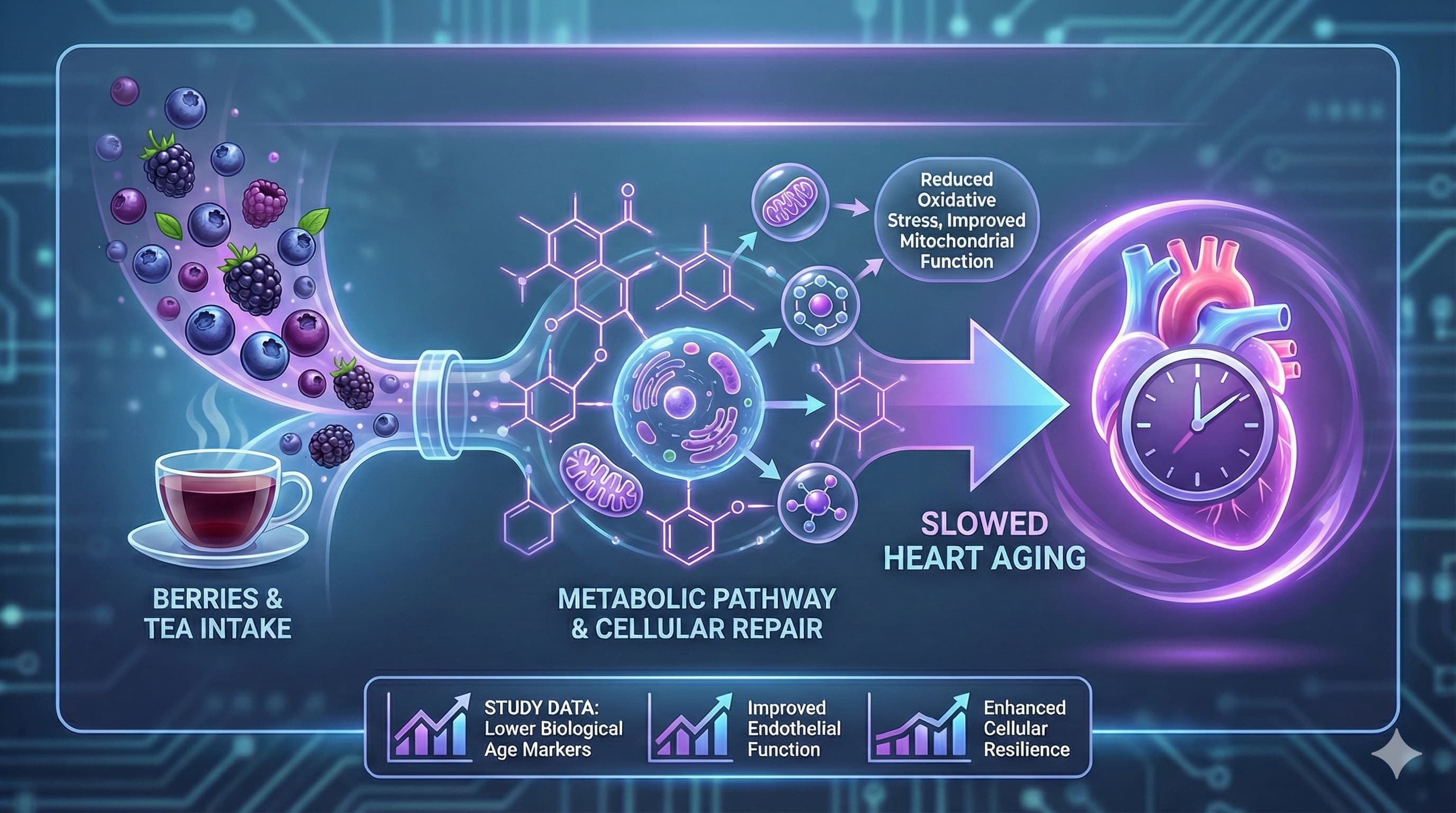
A decade-long study from King’s College London, UK, published in BMC Medicine, has provided the strongest evidence to date that a diet rich in specific plant compounds—polyphenols—does not just correlate with better health, but actively slows the biological progression of cardiovascular aging. By tracking over 3,000 participants from the TwinsUK registry for 11 years, researchers moved beyond unreliable food questionnaires, using “metabolic signatures” in urine to confirm exactly what the body absorbs.

The “Big Idea” here is precision nutrition validation. For years, biohackers have popped resveratrol and quercetin supplements based on mouse data. This study validates that a high-adherence “Polyphenol Score” (PPS)—driven specifically by flavonoids (berries, tea) and phenolic acids (coffee, whole grains)—significantly blunts the age-related rise in cardiovascular disease (CVD) risk. The effect was robust: those with the highest polyphenol metabolic footprint had significantly better blood pressure, higher HDL (“good”) cholesterol, and lower overall heart risk scores. Crucially, this protection was visible in the “hard” metabolic data, confirming that these compounds are not just passing through, but are biologically active drivers of vascular youth.

  • Context: King’s College London, United Kingdom; BMC Medicine.
  • Impact Evaluation: The impact score of this journal is ~9.3 (JIF), evaluated against a typical high-end range of 0–60+ for top general science, therefore this is a High impact journal (Top 10% of General Medicine).

Part 2: The Biohacker Analysis (Style: Technical, Academic, Direct)

Study Design Specifications

  • Type: Longitudinal Clinical Cohort (Observational with Metabolomic Validation).
  • Subjects: 3,110 Humans (TwinsUK Cohort).
    • Demographics: Predominantly female (common in TwinsUK), mean age ~52–62 years.
    • Follow-up: 11.2 ± 7.03 years.
    • Sub-group: 200 participants provided spot urine for UHPLC-MS metabolite quantification (The “Metabolic Signature” group).
  • Lifespan Data: N/A (Lifespan not measured).
    • Healthspan Proxy: Significant reduction in the progression of ASCVD Risk Scores and HeartScore (predictive of 10-year fatal/non-fatal CVD events) over 11 years.
    • Effect Size: High PPS-Diet score associated with significantly lower ASCVD risk (Standardized Beta: −0.05) and HeartScore (Standardized Beta: −0.03). While numerically small, across a population curve, this represents a meaningful shift in biological risk trajectory.

Mechanistic Deep Dive

The study moves the needle from “eating plants is good” to “specific pathways are modulated.”

  • Vascular Inflammation & Endothelial Function: The metabolic signature (PPS-M) strongly correlated with reduced Blood Pressure and increased HDL-C. This suggests a mechanism involving NO (Nitric Oxide) modulation (improved endothelial relaxation) and Reverse Cholesterol Transport.
  • Key Molecular Drivers: The study explicitly isolates Flavonoids (e.g., anthocyanins from berries, catechins from tea) and Phenolic Acids (e.g., chlorogenic acid from coffee) as the primary drivers of the benefit.
  • Organ Priority: Vascular System (Endothelium) and Liver (Lipid metabolism). The metabolites detected (e.g., tyrosol derivatives) are known to induce Nrf2 (antioxidant response element), reducing oxidative stress in arterial walls.

Novelty

  • Metabolomic Truth-Serum: Most nutrition studies rely on lying participants (FFQs). This study validated the diet with a 114-metabolite urinary panel. They confirmed that what people said they ate actually appeared as bioactive metabolites (e.g., phenyl-gamma-valerolactones) in their system.
  • Pattern over Pill: It validated a “Polyphenol Score” (PPS) comprising 20 key foods, showing that the synergy (the pattern) predicts health better than total polyphenol mass alone.

Critical Limitations

  • The “Fem-Bias”: TwinsUK is overwhelmingly female. Extrapolating these precise metabolic correlations to male biology (which has different baseline CVD risk and lipid dynamics) requires caution.
  • Observational Ceiling: Despite metabolic validation, this is not an RCT. We cannot rule out the “Healthy User Effect”—people who eat 3 cups of berries a day also likely exercise and don’t smoke.
  • FFQ Reliance: While validated in a subset (n=200), the bulk of the longitudinal data (n=3000+) still relied on Food Frequency Questionnaires, which are notoriously noisy.
  • Missing Hard Outcomes: The endpoints were risk scores (mathematical probabilities), not actual heart attacks or deaths.

Part 3: Actionable Intelligence (Structure: Bullet Points)

The Translational Protocol

  • Human Equivalent Dose (HED):
    • Target Intake: The study identifies a “High Adherence” intake of approx. 1600–1700 mg/day of total polyphenols (Source: derived from Polyntake/TwinsUK baseline data).
    • Food Equivalency (Daily Protocol): To hit this ~1.7g target without supplements:
      • Coffee: 2–3 cups (high in chlorogenic acid, ~200–400mg/cup).
      • Green/Black Tea: 2 cups (high in catechins/theaflavins).
      • Berries (Blue/Black): 1 cup (150g) (high in anthocyanins).
      • Dark Chocolate (>85%): 20g.
      • Extra Virgin Olive Oil: 2 tbsp (rich in Tyrosol).
  • Pharmacokinetics (PK/PD):
    • Bioavailability: Polyphenols have notoriously poor bioavailability (often <5%). However, this study proves that gut microbiota metabolites (phenolic acids produced by bacterial fermentation of flavonoids) are the bioactive agents. Actionable: Gut health is a rate-limiting factor for polyphenol efficacy.
    • Half-life: Most polyphenols (e.g., Resveratrol, Quercetin, EGCG) have short half-lives (2–4 hours). Dosing Strategy: Spreading intake throughout the day (pulsatile dosing) is superior to a single mega-dose to maintain plasma metabolite levels.
  • Safety & Toxicity Check:
    • NOAEL: For purified EGCG (Green Tea), NOAEL is ~600 mg/kg/day in rats; HED is roughly ~97 mg/kg (human).
    • Liver Toxicity Signal: WARNING. High-dose concentrated Green Tea Extract (supplements >800mg EGCG/day) is associated with hepatotoxicity (liver injury). The study relies on dietary sources, which are self-limiting and safe.
    • Contraindication: Patients on Blood Thinners (Warfarin) or MAO Inhibitors should monitor Vitamin K (leafy greens) and Tyramine (aged foods) intake, though polyphenols themselves are generally safe.

Biomarker Verification Panel

  • Efficacy Markers:
    • Lipids: Track HDL-C (Target: >50 mg/dL) and Oxidized LDL (if available).
    • Inflammation: hs-CRP < 1.0 mg/L.
    • Metabolomics (Advanced): Urinary organic acids test looking for Hippuric acid and Benzoate (markers of polyphenol breakdown by microbiome).
  • Safety Monitoring:
    • Liver Panel: ALT/AST (Essential if using concentrated polyphenol supplements).

Feasibility & ROI (Cost-Benefit Analysis)

  • Sourcing:
    • Diet: Easy. Supermarket available. Frozen berries are cost-effective and retain polyphenols.
    • Supplements: “Polyphenol Blends” (e.g., Pomegranate extract, Grape Seed extract).
  • Cost vs. Effect:
    • Diet: +$50–$100/month (Fresh berries/coffee). High ROI due to dual benefit (fiber, satiety).
    • Supplements: +$40/month. Lower ROI due to lack of fiber/synergy matrix.
  • Population Applicability:
    • Contraindications: Individuals with Histamine Intolerance or Oxalate Kidney Stones must moderate spinach, tea, and dark chocolate intake.

Part 4: The Strategic FAQ

1. Is “Total Polyphenols” a useless metric compared to specific subclasses?
Answer: Yes. This study shows the “Pattern Score” (PPS) correlates better than raw mass. 500mg of Tyrosol (Olive Oil) and Anthocyanins (Berries) likely outperforms 1000mg of generic flavonoids from apples. Diversity triggers multiple signaling pathways (Nrf2, AMPK) simultaneously.

2. I’m taking Rapamycin. Do high-dose polyphenols interfere?
Answer: Potential Conflict. Both Rapamycin and many polyphenols (Resveratrol, Curcumin, EGCG) inhibit mTOR. While theoretically synergistic for longevity, high-dose polyphenols can also inhibit CYP3A4 (the enzyme that metabolizes Rapamycin), potentially increasing Rapamycin blood levels to toxic ranges. Monitor trough levels carefully.

3. Does this study prove I can skip the gym if I eat berries?
Answer: No. The study adjusted for BMI and activity, but the benefit is vascular. Exercise provides mechanical stress to the endothelium that polyphenols chemically mimic; doing both is the “Gold Standard” for nitric oxide production.

4. Can I just take a “Greens Powder” to hit the PPS target?
Answer: Unlikely. Most greens powders are oxidized and lack the specific phenolic acids found in coffee and the anthocyanins in fresh skins of berries. The study validated a dietary matrix, not a processed powder.

5. What is the “Tyrosol” mentioned, and why should I care?
Answer: Tyrosol is a stable antioxidant in Olive Oil. Unlike Resveratrol, it has high bioavailability. The study flagged it as a key metabolite. Ensure your Olive Oil is “High Phenolic” (peppery taste) to maximize this.

6. Is there a sex-difference risk since the study was mostly female?
Answer: Yes. Estrogen is naturally cardioprotective. The magnitude of benefit for men (who lack this estrogen shield) might actually be higher (since they have more risk to mitigate) or lower (if the mechanism relies on estrogen receptors). Male biohackers should view this as “likely beneficial” but not definitively quantified for them.

7. How does gut health impact the results of this study?
Answer: Massively. The “Metabolic Signature” relies on your microbiome converting inert plant compounds into active metabolites. If you are on antibiotics or have dysbiosis, you likely won’t get the full CVD protection shown in the paper.

8. Should I be worried about “Anti-Nutrients” (Oxalates/Lectins) in this high-plant diet?
Answer: For the general population, no. The CVD risk reduction outweighs theoretical anti-nutrient concerns. However, “Carnivore” biohackers will argue inflammation from plant toxins negates the benefit. This study argues the opposite: the net effect was lower inflammation.

9. Did the study control for “Blue Zone” factors (Wealth/Status)?
Answer: They attempted to (SES adjustments), but TwinsUK participants are generally healthier and wealthier than the average. The “High Adherence” group likely had better overall lifestyles (the “Whole Foods” confounder).

10. What is the single most actionable “Food Swap” from this paper?
Answer: Swap your afternoon snack for Berries + Walnuts, and ensure you drink Coffee or Tea (unsweetened) daily. These were the heavy lifters in the metabolic scoring.

Source Paper (Open Access): Higher adherence to (poly)phenol-rich diet is associated with lower CVD risk in the TwinsUK cohort

RapAdmin

A single-author meta-analysis from Johns Hopkins pooled 22 rodent lifespan experiments (spanning 27 years, 6 countries, 4 species) on the FDA-approved MAO-B inhibitor L-deprenyl (selegiline). The drug produced a statistically significant, moderate increase in average lifespan (standardized mean difference 0.68, p = 0.0002). Effects were larger at higher doses and when treatment started in older animals. Critically, the benefit was not an artifact of unusually short-lived control animals. However, a re-analysis of the one dog study showed the survival benefit vanished once age at enrollment was accounted for, underscoring that translation to humans remains unproven.

L-deprenyl, sold as selegiline, has spent three decades as a bit-player in longevity science: an FDA-approved Parkinson’s and depression drug that a handful of labs kept quietly showing could make old rodents live longer. The problem was that the field never trusted the result. The studies were old, scattered across continents and decades, and geroscience has learned the hard way that “lifespan extension” often evaporates on closer inspection.

This new analysis, published in the high-impact journal Ageing Research Reviews, is the most rigorous attempt yet to settle the question. Michael Bene of Johns Hopkins gathered every credible rodent survival experiment on the drug and ran them through a modern statistical meta-analysis. The verdict: the effect is real, reproducible, and of moderate size. Across mice, rats and hamsters, treated animals reliably out-survived their controls, with an effect size (SMD 0.68) that sits comfortably between the noise of a null result and the strong signals seen with heavyweight interventions like caloric restriction and rapamycin.

The Big Idea is not just “a drug works.” It is that L-deprenyl clears the bars that usually trip up longevity claims. There was no detectable publication bias. And, most importantly, the effect was not driven by the field’s most notorious confounder: sickly, short-lived control animals that make any intervention look good by comparison. When Bene tested for this, he found the opposite pattern - the benefit was, if anything, larger in studies where controls lived longer.

Two findings sharpen the translational angle. Effects grew stronger with higher doses and, strikingly, with older age at treatment onset - hinting that this is a drug you might start late in life rather than in youth. That fits the geroscience dream of a pill for people who are already old.

The cautionary counterweight is the dogs. A 1997 study had reported that L-deprenyl prolonged life in elderly dogs. Bene re-analyzed the raw survival data and found that once you adjust for the fact that treated and untreated dogs entered the study at very different ages, the “benefit” was no longer statistically significant (hazard ratio 0.38, but confidence interval crossing 1.0). The trend still favored the drug, and the study was badly underpowered - but it is a reminder that a robust rodent signal is not a human promise. No human longevity trial has ever been run. This paper makes the strongest case yet that one should be.

Impact Evaluation: